

On this page
Hypophosphataemic rickets (FGF23-mediated)
This condition results in weakened bones, growth delays, and dental issues. It is caused by genetic changes that disrupt how the body manages phosphate, typically presenting in early childhood and requiring lifelong management to support bone health.
Overview
Hypophosphataemic rickets is a group of rare genetic conditions that lead to persistently low levels of phosphate in the blood. Phosphate is an essential mineral required for strong bones, healthy teeth, and many other bodily functions. In FGF23-mediated forms, the body either produces too much of a protein called FGF23 (fibroblast growth factor 23) or the FGF23 protein works too effectively. Excess FGF23 causes the kidneys to excrete too much phosphate, preventing proper bone mineralisation [PMID:33606990].
This lack of adequate phosphate impairs the normal hardening process of bones, leading to a condition known as rickets in children and osteomalacia (softening of bones) in adults. The condition typically manifests in infancy or early childhood, with effects ranging from bone pain and deformities to short stature and dental problems. Lifelong management is often necessary to help maintain phosphate levels and support bone health.
Symptoms & clinical features
The symptoms of hypophosphataemic rickets often become noticeable during infancy or early childhood as children begin to walk. One of the most common signs is bowed legs or other bone deformities, which develop because the softened bones cannot properly support the body's weight [PMID:33606990]. Children may also experience delayed growth, leading to shorter stature compared to their peers.
Other symptoms can include bone pain, particularly in the legs, and a waddling gait due to weakened leg muscles and skeletal changes. Dental problems are also common, such as dental abscesses, delayed tooth eruption, and abnormally shaped teeth [PMID:33606990]. In some cases, skull abnormalities or craniosynostosis (premature fusion of skull bones) may occur. Adults with the condition may experience bone pain, fatigue, and an increased risk of bone fractures.
Video: Genetics 101
Affected organs
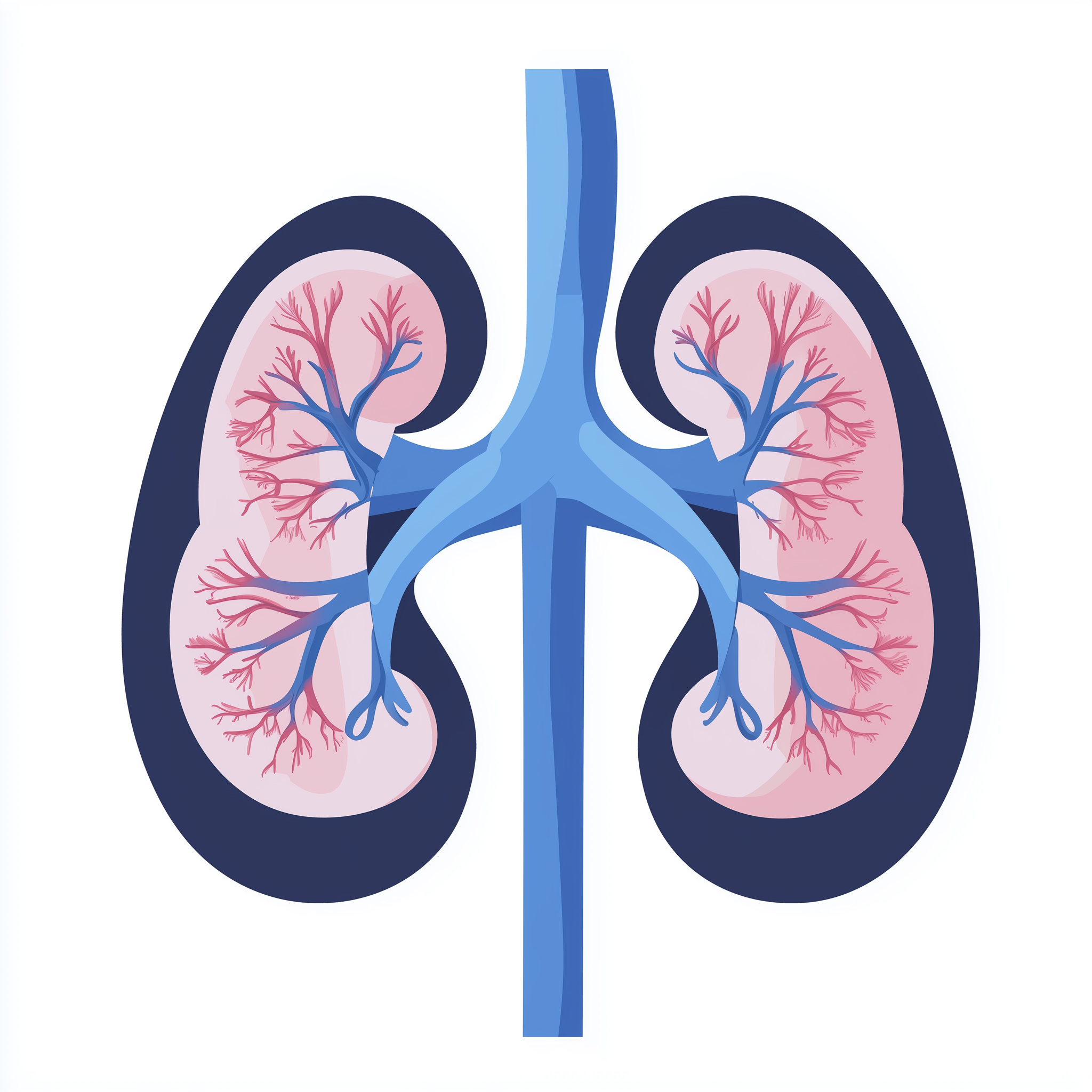
Hypophosphataemic rickets primarily affects the skeletal system, including bones and teeth, due to the critical role of phosphate in their development and maintenance. The long bones of the legs are particularly susceptible to bowing and other deformities, leading to impaired mobility.
The kidneys are also central to this condition, as they are responsible for filtering blood and reabsorbing essential minerals like phosphate. In FGF23-mediated forms, the overactivity of FGF23 directly impacts the kidneys, causing them to excrete excessive amounts of phosphate into the urine. This constant loss of phosphate prevents the bones from receiving enough of the mineral to harden properly.

Risks & severity
The severity of hypophosphataemic rickets can vary between individuals, even within the same family. Without appropriate management, the condition can lead to significant bone deformities, severe short stature, and chronic bone pain. The risk of bone fractures is increased, and dental issues can cause discomfort and require extensive treatment.
The onset of symptoms is typically in early childhood, often around the time a child starts walking. The long-term outlook for individuals with hypophosphataemic rickets is generally good with consistent medical management, which aims to improve phosphate levels and promote healthier bone development. However, ongoing monitoring and treatment are usually required throughout life to manage symptoms and prevent complications.
Genetic causes
Hypophosphataemic rickets (FGF23-mediated) is caused by genetic changes in the FGF23 gene. This gene provides instructions for making the fibroblast growth factor 23 protein. The FGF23 protein plays a crucial role in regulating phosphate levels in the body by signalling the kidneys to excrete phosphate and reducing the production of active vitamin D [PMID:33606990].
Pathogenic variants in FGF23 can lead to an overactivity of this protein. This excessive activity causes the kidneys to release too much phosphate into the urine, leading to low phosphate levels in the blood (hypophosphataemia). The reduced active vitamin D also impairs the absorption of phosphate and calcium from the gut. Together, these effects result in insufficient phosphate for proper bone mineralisation and strength.
- FGF23 fibroblast growth factor 23
Inheritance pattern
Hypophosphataemic rickets (FGF23-mediated) is typically inherited in an autosomal dominant pattern. This means that a person only needs to inherit one copy of the altered gene from one parent to develop the condition. If a parent has the condition, there is a 50% chance with each pregnancy that their child will also inherit the pathogenic gene variant and develop the condition, regardless of the child's sex.
In some cases, the genetic change can occur spontaneously in the affected individual and is not inherited from either parent. This is known as a de novo variant. Relatives of an individual with a de novo variant typically have a very low risk of also having the condition.
Each child has a 50% chance of inheriting the pathogenic variant, regardless of sex.
Diagnosis & testing
Diagnosis of hypophosphataemic rickets (FGF23-mediated) is generally suspected based on clinical signs such as bowed legs, growth delays, and bone pain. Blood tests typically show low levels of phosphate and sometimes abnormal levels of other markers, such as alkaline phosphatase. Urine tests will reveal an excessive loss of phosphate.
Genetic testing is used to confirm the diagnosis by identifying a pathogenic variant in the FGF23 gene. Genetic testing is typically requested by a clinical geneticist or a specialist paediatrician. This testing falls under the NHS National Genomic Test Directory, and specific R-codes may be used to facilitate testing when clinical criteria are met, allowing access to the NHS Genomic Medicine Service.
Management & lifestyle
Management of hypophosphataemic rickets (FGF23-mediated) focuses on correcting phosphate imbalances and promoting healthy bone development. Treatment typically involves oral phosphate supplements and active vitamin D (calcitriol) to help improve phosphate absorption and mineralisation of bones. Regular monitoring of blood and urine phosphate levels is essential to adjust medication dosages and prevent complications like kidney stone formation.
Additional therapies, such as burosumab, a monoclonal antibody that inhibits FGF23, may be considered in some cases to help normalise phosphate levels and improve bone healing [PMID:31610484]. Patients with hypophosphataemic rickets are managed by a multidisciplinary team, which may include endocrinologists, nephrologists, orthopaedic surgeons, and dentists. The goal of management is to minimise bone deformities, relieve pain, promote growth, and improve quality of life. Genetic counsellors can provide support and information regarding inheritance patterns and family planning.
UK care pathway
In the UK, individuals suspected of having a rare genetic condition like hypophosphataemic rickets (FGF23-mediated) can be referred to a clinical genetics service through their GP or another specialist. Clinical geneticists and genetic counsellors work within the NHS Genomic Medicine Service to assess individuals, arrange appropriate genomic testing (often via specific R-codes listed in the National Genomic Test Directory), and provide expert advice and support. This ensures that patients and their families receive coordinated care and access to specialist genetic testing and counselling.
Frequently asked questions
What is phosphate and why is it important?
Phosphate is a mineral that plays a vital role in building strong bones and teeth. It is also involved in energy production and many other essential bodily processes. Low phosphate levels can therefore have widespread effects on health.
Will my child outgrow hypophosphataemic rickets?
Hypophosphataemic rickets is a lifelong genetic condition. While treatment can significantly improve symptoms and bone health, it does not cure the underlying genetic cause. Lifelong management and monitoring are typically required.
Is surgery an option for bowed legs?
For severe bone deformities like bowed legs, orthopaedic surgery may be considered to correct the alignment of the bones. This is usually done in conjunction with medical management to improve bone strength.
How does this condition affect adults?
Adults with hypophosphataemic rickets may experience ongoing bone pain, increased risk of fractures, and joint stiffness. Dental problems and fatigue can also persist. Continued management helps to mitigate these symptoms and maintain bone health.
Can I have more children if I have hypophosphataemic rickets?
If you have hypophosphataemic rickets, there is a 50% chance that each of your children will also inherit the condition, as it is autosomal dominant. Genetic counsellors can provide detailed information about inheritance patterns and reproductive options.