

On this page
Koolen-de Vries syndrome
This syndrome is typically caused by changes in the KANSL1 gene or a small missing piece of chromosome 17. It affects individuals from birth, leading to varying degrees of developmental challenges and health concerns that require multidisciplinary support.
Overview
Koolen-de Vries syndrome (KdVS) is a rare genetic condition that affects multiple body systems. Individuals with KdVS typically experience developmental delay, intellectual disability, and have a recognisable set of facial features. The severity of these features can vary significantly among affected individuals, even within the same family [PMID:24040932]. This syndrome is named after the Dutch clinical geneticists, David Koolen and Bert de Vries, who first described it.
Symptoms & clinical features
The clinical presentation of Koolen-de Vries syndrome is broad. Developmental delay is almost universal, often becoming apparent in early childhood, affecting motor skills, speech, and cognitive development. Intellectual disability is generally mild to moderate, though some individuals may have more significant learning challenges [PMID:33671239]. Distinctive facial features are common and can include a high forehead, widely spaced eyes (hypertelorism), epicanthal folds (skin folds covering the inner corner of the eyes), and a prominent nasal bridge with a bulbous tip. Other physical findings may include heart defects, kidney abnormalities, epilepsy, and skeletal anomalies such as joint laxity or scoliosis. Sleep disturbances, gastrointestinal issues, and behavioural differences like anxiety or autistic-like traits have also been reported in some individuals [PMID:24040932].
Video: Genetics 101
Affected organs
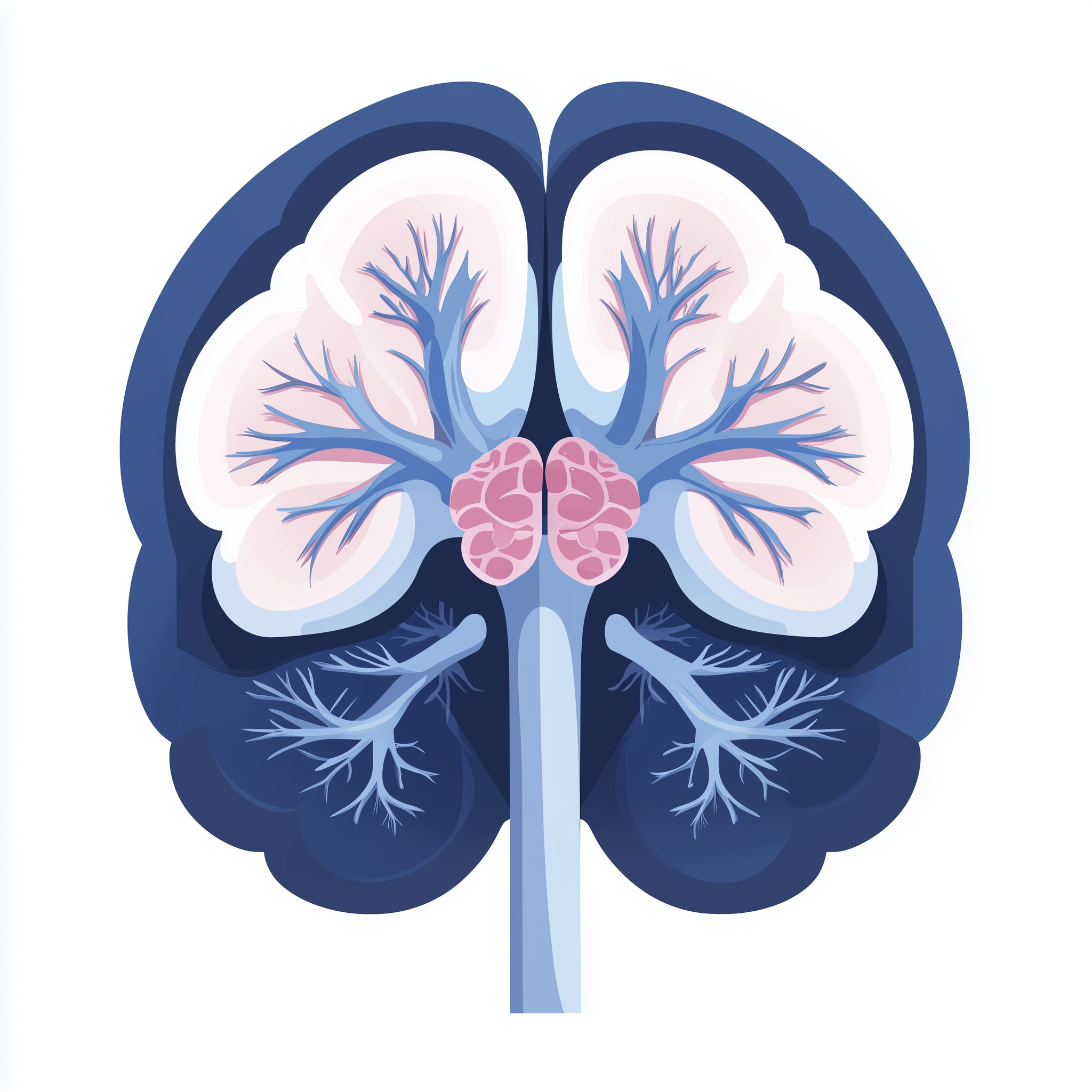
Koolen-de Vries syndrome can affect several organ systems. The central nervous system is primarily impacted, leading to developmental delay, intellectual disability, and sometimes epilepsy. The heart may be affected, with various congenital heart defects reported. Kidneys can also show structural abnormalities. Skeletal involvement might include joint hypermobility or curvature of the spine. Gastrointestinal issues are also observed in some individuals, along with possible dental abnormalities.

Risks & severity
The severity of Koolen-de Vries syndrome is variable. While developmental delay and intellectual disability are consistent features, the degree of cognitive impairment ranges from mild to moderate. Medical complications such as congenital heart defects or epilepsy also vary in their presence and severity. The exact prevalence of Koolen-de Vries syndrome is estimated to be around 1 in 16,000 live births, although it may be underestimated due to its varied presentation and the need for specific genetic testing for diagnosis. The condition is present from birth, and its effects on development and health become apparent in infancy and early childhood.
Genetic causes
Koolen-de Vries syndrome is primarily caused by a genetic change in or near the KANSL1 gene, located on chromosome 17. In most cases, this involves a small missing piece (deletion) of chromosome 17 that includes the KANSL1 gene. Less commonly, a specific alteration (pathogenic variant) within the KANSL1 gene itself can be the cause [PMID:33671239]. The KANSL1 gene provides instructions for making a protein that is part of a larger complex, which helps regulate gene activity. This complex plays a crucial role in the development and function of many cells and tissues, particularly in the brain. When KANSL1 is altered or missing, this gene regulation is disrupted, leading to the diverse features observed in KdVS.
- KANSL1 KAT8 regulatory NSL complex subunit 1
Inheritance pattern
Koolen-de Vries syndrome typically follows an autosomal dominant inheritance pattern. This means that a person only needs one altered copy of the KANSL1 gene or one copy of the chromosome 17 deletion to develop the condition. In most instances, the genetic change occurs spontaneously (de novo) in the affected individual and is not inherited from either parent. However, there are rare cases where a parent may carry the genetic change and pass it on. If a parent has KdVS, there is a 50% chance for each child to inherit the condition. Genetic counselling is recommended to discuss inheritance patterns and risks for future pregnancies.
Each child has a 50% chance of inheriting the pathogenic variant, regardless of sex.
Diagnosis & testing
A diagnosis of Koolen-de Vries syndrome is usually suspected based on characteristic clinical features, including developmental delay, intellectual disability, and distinctive facial appearance. Confirmation is made through genetic testing. This typically involves chromosomal microarray analysis to detect the small deletion on chromosome 17q21.31, or sequencing of the KANSL1 gene to identify specific pathogenic variants. Referral for genetic testing is usually made by a paediatrician or a clinical geneticist. In the UK, such testing is available through the NHS Genomic Medicine Service, often guided by specific R-codes for developmental disorders.
Management & lifestyle
Management of Koolen-de Vries syndrome focuses on addressing individual symptoms and developmental needs. This typically involves a multidisciplinary team approach. Early intervention programmes, including physiotherapy, occupational therapy, and speech and language therapy, are crucial to support development. Regular medical check-ups are important to monitor for potential complications such as heart defects, kidney issues, or epilepsy, allowing for timely treatment. Behavioural support and educational planning are also key components of care. Management strategies are tailored to each individual, aiming to optimise their health and quality of life. Genetic counsellors can provide essential support and information to families.
UK care pathway
In the UK, individuals suspected of having a genetic condition like Koolen-de Vries syndrome would typically be referred to a Clinical Genetics service. This pathway often begins with a paediatrician or other specialist identifying developmental concerns or distinctive features. Genetic testing, as part of the NHS Genomic Medicine Service, is used to confirm the diagnosis, often utilising specific R-codes for developmental disorders. Following diagnosis, genetic counsellors play a vital role in explaining the condition, its inheritance, and implications for the family, as well as coordinating care and support.
Frequently asked questions
What is the life expectancy for someone with Koolen-de Vries syndrome?
Information on average life expectancy for Koolen-de Vries syndrome is limited, but individuals typically live into adulthood. Health outcomes are largely dependent on the presence and severity of associated medical conditions like heart defects or epilepsy. Regular medical care and symptom management help to improve overall quality of life.
Will a person with Koolen-de Vries syndrome be able to live independently?
The level of independence for individuals with Koolen-de Vries syndrome varies widely. Most will require ongoing support throughout their lives due to intellectual disability. However, with appropriate early interventions, therapies, and educational support, many can achieve significant developmental milestones and live fulfilling lives within supportive environments.
Can Koolen-de Vries syndrome be prevented?
Koolen-de Vries syndrome is caused by genetic changes that usually occur spontaneously. Therefore, it cannot be prevented. For families who already have a child with the syndrome, genetic counselling can provide information about recurrence risks and options for future pregnancies.
How common is Koolen-de Vries syndrome?
Koolen-de Vries syndrome is considered a rare condition. Current estimates suggest it affects approximately 1 in 16,000 live births, though this figure might be an underestimate as some milder cases may remain undiagnosed.
Is there a cure for Koolen-de Vries syndrome?
There is currently no cure for Koolen-de Vries syndrome. Management focuses on treating symptoms, providing developmental support through various therapies, and addressing any medical complications to improve the individual's health and well-being.
References
- Adam MP, Bick S, Mirzaa GM. Koolen-de Vries Syndrome. 1993. PMID: 20301783
- Li T, Lu D, Yao C. Kansl1 haploinsufficiency impairs autophagosome-lysosome fusion and links autophagic dysfunction with Koolen-de Vries syndrome in mice. Nature communications. 2022. PMID: 35177641
- Karamik G, Tuysuz B, Isik E. The clinical phenotype of Koolen-de Vries syndrome in Turkish patients and literature review. American journal of medical genetics. Part A. 2023. PMID: 37053206
- Pfalzer AC, Ivers B, Haynam A. Koolen-de Vries Syndrome: a journey from diagnosis to treatments. Therapeutic advances in rare disease. 2024. PMID: 39081270
- Bouman A, Bouwmeester RN, van Vlimmeren LA. Clinical and radiological assessment of scoliosis in Koolen-de Vries syndrome. American journal of medical genetics. Part A. 2023. PMID: 37350176
- Ciaccio C, Dordoni C, Ritelli M. Koolen-de Vries Syndrome: Clinical Report of an Adult and Literature Review. Cytogenetic and genome research. 2016. PMID: 27852077
- Amenta S, Frangella S, Marangi G. Adult phenotype in Koolen-de Vries/KANSL1 haploinsufficiency syndrome. Journal of medical genetics. 2022. PMID: 33361104
- Murdock DR, Dai H, Burrage LC. Transcriptome-directed analysis for Mendelian disease diagnosis overcomes limitations of conventional genomic testing. The Journal of clinical investigation. 2021. PMID: 33001864