

On this page
Liddle syndrome
This condition affects the kidneys' ability to regulate salt and water balance, leading to persistent high blood pressure (hypertension), often appearing in childhood or early adulthood. It is caused by specific genetic changes affecting kidney function and is inherited in an autosomal dominant pattern, meaning only one altered gene copy is needed to cause the condition.
Available at Jeen Health
Clinical tests that include this
Overview
Liddle syndrome is a rare inherited condition that primarily affects the kidneys. Individuals with Liddle syndrome experience high blood pressure (hypertension), which often begins at a young age, sometimes even in childhood [PMID:33604085]. This condition also typically leads to low levels of potassium in the blood (hypokalaemia) and metabolic alkalosis, where the body's acid-base balance is disturbed [PMID:32662058].
The kidneys play a vital role in regulating blood pressure by controlling the amount of salt and water reabsorbed into the bloodstream. In Liddle syndrome, a specific part of the kidney, called the epithelial sodium channel (ENaC), becomes overactive. This heightened activity causes excessive sodium and water retention by the kidneys, which raises blood volume and subsequently drives blood pressure upward.
Symptoms & clinical features
The main symptom of Liddle syndrome is high blood pressure, which can be severe and may not respond well to standard blood pressure medications. This high blood pressure often develops in childhood or early adulthood and, if left untreated, can lead to serious complications affecting the heart, brain, and kidneys over time.
Low potassium levels (hypokalaemia) also produce recognisable symptoms in many people. Muscle weakness, persistent fatigue, and palpitations - where the heartbeat feels rapid or irregular - are commonly reported. Some individuals experience frequent urination, particularly at night (nocturia). However, in certain cases the early stages may produce no noticeable symptoms at all, with hypertension only discovered during routine medical examinations.
Video: Genetics 101
Affected organs
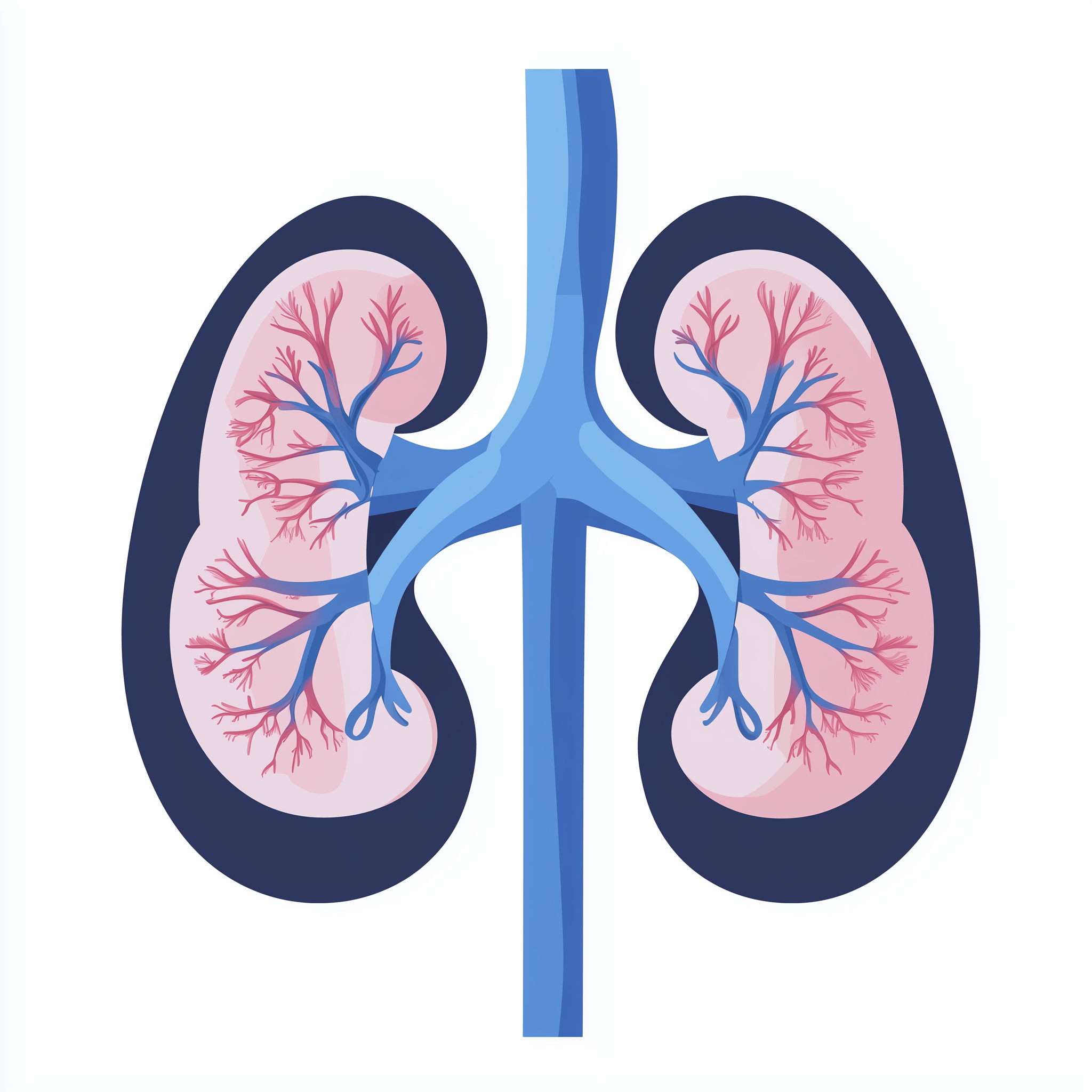
Liddle syndrome primarily affects the kidneys, specifically the tiny filtering units called nephrons. Within the nephrons, the epithelial sodium channel (ENaC) in the collecting ducts is abnormally active. Sodium and water are reabsorbed into the bloodstream at excessive rates, whilst potassium is lost through urinary excretion.
Over time, the persistently high blood pressure can damage other organs, including the heart, leading to conditions like left ventricular hypertrophy (enlargement of the heart's main pumping chamber). The brain can also be affected, increasing the risk of strokes. Additionally, the kidneys themselves can sustain damage from chronic hypertension.

Risks & severity
The severity of Liddle syndrome can vary among individuals, but it generally leads to significant health risks due to chronic high blood pressure. If untreated, sustained hypertension can result in severe cardiovascular complications, such as heart attacks, strokes, and kidney failure, often at a younger age than typical for hypertension. Early diagnosis and appropriate management are crucial to reduce these risks.
The age of onset for high blood pressure in Liddle syndrome is typically in childhood or early adulthood, though it can sometimes be detected later. The condition is considered rare, and exact prevalence figures are not well established. Without intervention, the constant high blood pressure can progressively damage blood vessels and organs throughout the body.
Genetic causes
Liddle syndrome results from pathogenic variants in either SCNN1B or SCNN1G. These two genes encode components of the epithelial sodium channel (ENaC), a protein complex in kidney cells that governs how much sodium is reclaimed from urine and returned to the bloodstream.
When functioning normally, the ENaC complex maintains appropriate sodium and water balance throughout the body. Variants in SCNN1B or SCNN1G disrupt the usual regulatory mechanisms, leaving the channel excessively active [PMID:33604085]. As a consequence, the kidneys retain abnormally large amounts of sodium and water whilst expelling too much potassium, ultimately driving blood pressure upward and depleting potassium stores.
- SCNN1B sodium channel epithelial 1 subunit beta
- SCNN1G sodium channel epithelial 1 subunit gamma
Inheritance pattern
Liddle syndrome is inherited in an autosomal dominant pattern. This means that inheriting just one altered copy of either SCNN1B or SCNN1G from one parent is sufficient to cause the condition. Unlike recessive disorders, there is no carrier state in which someone has a variant but experiences no symptoms.
If one parent has Liddle syndrome, each of their children has a 50% chance of inheriting the pathogenic variant and developing the condition. If both parents are unaffected, the condition typically arises from a new (de novo) genetic change occurring for the first time in that individual. Genetic counselling can provide detailed information about inheritance risks and support for families navigating these questions.
When both parents are carriers, each child has a 25% chance of being affected, 50% of being a carrier, and 25% of being unaffected.
Diagnosis & testing
Diagnosis of Liddle syndrome is typically suspected based on clinical features such as early-onset hypertension, low blood potassium levels (hypokalaemia), and metabolic alkalosis, particularly when other common causes of these symptoms have been ruled out. A distinguishing feature is that renin and aldosterone levels, hormones involved in blood pressure regulation, are usually low in Liddle syndrome, unlike in other forms of hypertension [PMID:32662058].
Genetic testing provides definitive confirmation by identifying pathogenic variants in SCNN1B or SCNN1G. In the UK, such testing is available through the NHS Genomic Medicine Service (GMS), typically initiated by a clinical genetics specialist or nephrologist following clinical suspicion [PMID:33604085]. Referral pathways and test eligibility are determined by clinical genetics services.
Management & lifestyle
Management of Liddle syndrome primarily focuses on controlling blood pressure and normalising potassium levels. A key treatment involves a specific type of diuretic medication, such as amiloride or triamterene, which directly blocks the overactive epithelial sodium channel (ENaC) in the kidneys. These medications help the kidneys excrete excess sodium and water while retaining potassium, thereby lowering blood pressure and raising potassium levels.
Patients with Liddle syndrome will typically require lifelong monitoring of their blood pressure, kidney function, and electrolyte levels. Regular follow-ups with a nephrologist (kidney specialist) and other healthcare professionals are important to adjust medication doses and manage any complications. A low-sodium diet may also be recommended to help manage blood pressure. Genetic counsellors can provide support and information regarding the condition's inheritance and implications for family members.
UK care pathway
In the UK, individuals suspected of having Liddle syndrome are typically referred to specialist services, such as a renal (kidney) specialist or a clinical genetics service. Following clinical assessment, if Liddle syndrome is suspected, genetic testing can be requested via the NHS Genomic Medicine Service (GMS) pathways to identify variants in SCNN1B or SCNN1G.
A diagnosis through the GMS pathway allows patients and their families to access ongoing care and support, including specialist medical management and genetic counselling. Genetic counsellors play a crucial role in explaining the condition, its inheritance, and discussing implications for other family members.
Frequently asked questions
What is the main problem in Liddle syndrome?
The main problem is that the kidneys reabsorb too much salt and water, leading to high blood pressure (hypertension) and low levels of potassium in the blood. This happens because a specific channel in the kidney cells, called ENaC, is overactive.
Can Liddle syndrome be treated?
Yes, Liddle syndrome can be treated. The main treatment involves specific medications, such as amiloride or triamterene, which block the overactive salt channels in the kidneys. This helps to lower blood pressure and normalise potassium levels.
How is Liddle syndrome inherited?
Liddle syndrome is inherited in an autosomal dominant pattern. This means that inheriting just one altered gene copy from one parent is sufficient to cause the condition. Each child of an affected parent has a 50% chance of inheriting the pathogenic variant.
What kind of doctor treats Liddle syndrome?
Individuals with Liddle syndrome are usually cared for by a nephrologist, which is a kidney specialist. They may also work with a geneticist and a genetic counsellor to manage the condition and understand its genetic aspects.
How does Liddle syndrome affect daily life?
With proper treatment and regular monitoring, individuals with Liddle syndrome can often manage their blood pressure and lead a relatively normal life. However, lifelong medication and regular medical follow-ups are usually necessary to prevent complications from high blood pressure.
References
- Athimulam S, Lazik N, Bancos I. Low-Renin Hypertension. Endocrinology and metabolism clinics of North America. 2019. PMID: 31655771
- Valsan D, Burhan U, Teehan G. Resistant Hypertension. Advances in experimental medicine and biology. 2017. PMID: 27864800
- Mulatero P, Monticone S, Goi J. Low-renin hypertension. Vitamins and hormones. 2026. PMID: 41638800
- Murphy L, Anastasopoulou C. Liddle Syndrome (Pseudohyperaldosteronism). 2026. PMID: 30725596
- Stewart PM. Mineralocorticoid hypertension. Lancet (London, England). 1999. PMID: 10218547
- Aziz DA, Memon F, Rahman A. Liddle's Syndrome. Journal of Ayub Medical College, Abbottabad : JAMC. 2016. PMID: 28586600
- Torpy DJ, Stratakis CA, Chrousos GP. Hyper- and hypoaldosteronism. Vitamins and hormones. 1999. PMID: 10232050
- Singh V, Van Why SK. Monogenic Etiology of Hypertension. The Medical clinics of North America. 2024. PMID: 37951648