

On this page
Marfan syndrome
Also known as Marfan syndrome (neonatal)
This condition primarily impacts the heart and blood vessels, eyes, and skeleton. It is caused by changes in the FBN1 gene and is inherited in an autosomal dominant pattern, affecting approximately 1 in 5,000 to 10,000 people.
Available at Jeen Health
Clinical tests that include this
Overview
Marfan syndrome is a genetic condition affecting connective tissue, the material that supports and holds together many tissues and organs in the body [PMID:33671212]. This tissue is essential for the structure and function of various body parts, including the heart, blood vessels, eyes, bones, and skin. Individuals with Marfan syndrome may experience a wide range of signs and symptoms, which can vary significantly in severity, even within the same family. The condition is lifelong and requires ongoing medical management.
Connective tissue plays a vital role in providing strength, elasticity, and support to almost all bodily structures. In Marfan syndrome, the connective tissue is weaker or less abundant than it should be, leading to problems in these systems. Early diagnosis and appropriate management are crucial for reducing complications and improving the quality of life for affected individuals [PMID:33671212].
Marfan syndrome is estimated to affect between 1 in 5,000 and 1 in 10,000 people globally. It affects individuals of all ethnic backgrounds and sexes equally. While symptoms can appear at any age, they often become noticeable during childhood or adolescence, though some individuals may not be diagnosed until adulthood.
Symptoms & clinical features
The symptoms of Marfan syndrome can vary widely among affected individuals, affecting several body systems. Key areas typically impacted include the cardiovascular system (heart and blood vessels), skeletal system (bones and joints), and eyes.
Cardiovascular issues are often the most serious concern. The aorta, the main artery carrying blood from the heart, can weaken and stretch (aortic dilation), potentially leading to a tear (aortic dissection) or rupture, which can be life-threatening [PMID:33671212]. Heart valves may also be affected, sometimes leading to leaky valves (valve prolapse) or irregular heart rhythms. Regular monitoring of the heart and aorta is a critical part of managing Marfan syndrome.
Skeletal features often include being unusually tall and thin, having long limbs, fingers, and toes (arachnodactyly), and chest wall deformities such as a sunken chest (pectus excavatum) or a protruding chest (pectus carinatum). Curvature of the spine (scoliosis) is also common, as are joint hypermobility and flat feet. Eye problems frequently involve dislocation of the lens of the eye (ectopia lentis), which can impair vision, and an increased risk of glaucoma and cataracts at a younger age [PMID:20301510]. Other possible features include stretch marks on the skin, hernias, and lung problems such as spontaneous pneumothorax (collapsed lung).
Video: Genetics 101
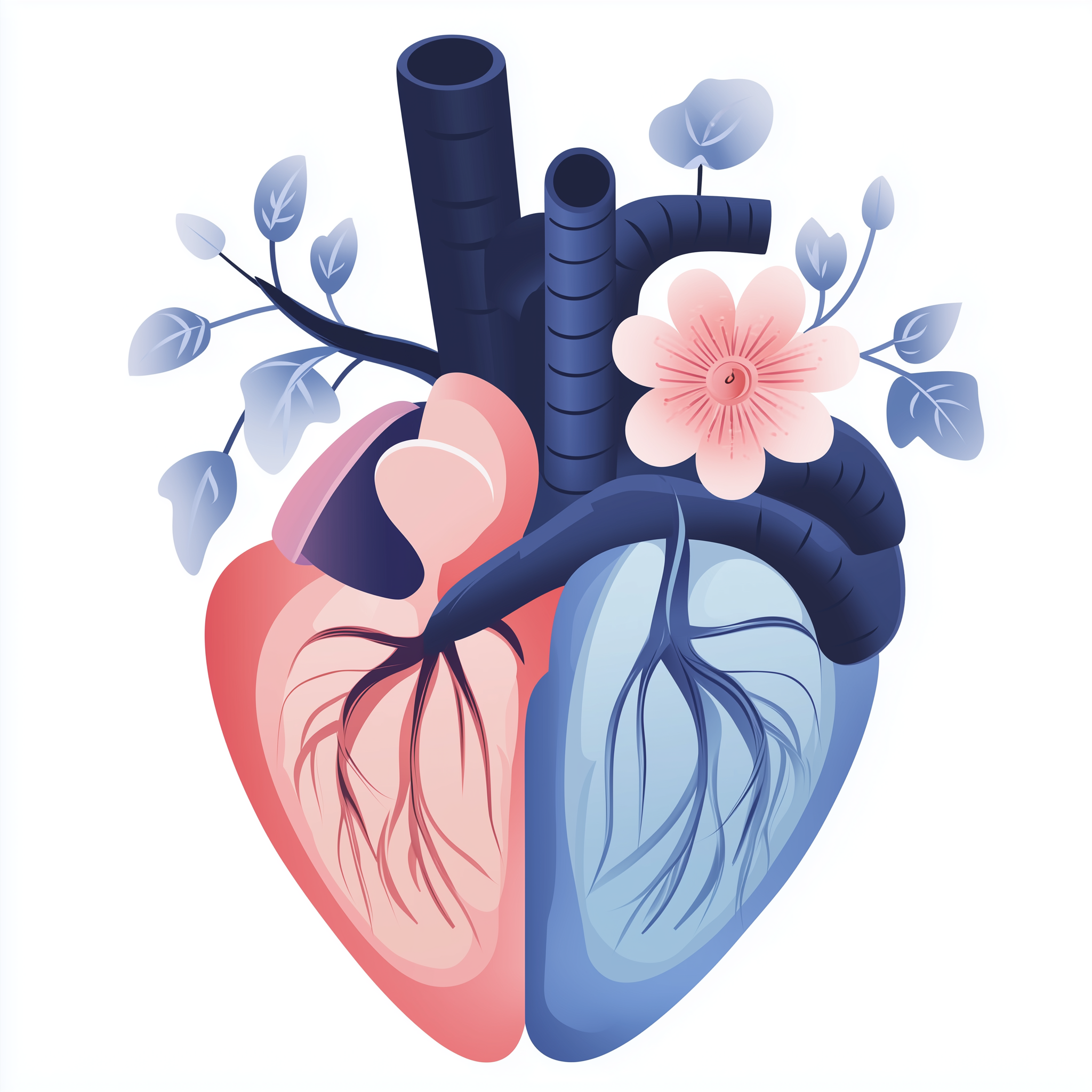
Affected organs
Marfan syndrome primarily affects organs and tissues rich in connective tissue. The cardiovascular system is significantly impacted, with the aorta being particularly vulnerable. Weakness in the aortic wall can lead to progressive enlargement (aneurysm) and, in severe cases, rupture. Heart valves, especially the mitral and aortic valves, may also be affected, potentially requiring surgical intervention.
The skeletal system shows widespread involvement, including bones, joints, and ligaments. This can result in distinctive body proportions, joint flexibility, and spinal issues. The eyes are another key area, with the suspensory ligaments that hold the lens in place often being weakened, leading to lens dislocation. The dura mater, the membrane surrounding the brain and spinal cord, can also be affected, leading to dural ectasia.

Risks & severity
The severity of Marfan syndrome can range from mild features to severe, life-threatening complications, even within the same family. Cardiovascular complications, particularly those affecting the aorta, represent the most significant risk. Without appropriate medical management, aortic dissection or rupture can occur, which is a major cause of mortality in individuals with Marfan syndrome.
Symptoms typically develop and progress with age, though some individuals may present with severe features in infancy, known as neonatal Marfan syndrome. Regular monitoring is essential to detect and manage potential issues early. For instance, echocardiograms are routinely used to monitor the size of the aorta. Lifelong follow-up by a specialist team is crucial for optimising outcomes and managing risks associated with the condition.
Genetic causes
Marfan syndrome is caused by pathogenic variants in the *FBN1* gene, which provides instructions for making a protein called fibrillin-1. Fibrillin-1 is a crucial component of microfibrils, which are fibres that form elastic fibres found in connective tissue [PMID:20301510]. Elastic fibres provide strength and flexibility to various tissues throughout the body, including the walls of the aorta, the ligaments of the eye, and the bones.
When a pathogenic variant occurs in *FBN1*, it leads to the production of abnormal or reduced amounts of fibrillin-1. This disrupts the formation and function of microfibrils, weakening the connective tissue throughout the body. The impaired connective tissue cannot properly support organs and structures, leading to the diverse range of symptoms seen in Marfan syndrome.
Fibrillin-1 also plays a role in regulating growth factors, such as transforming growth factor-beta (TGF-β). Dysregulation of TGF-β signalling is thought to contribute to some of the features of Marfan syndrome, particularly in the cardiovascular system. Understanding the role of *FBN1* and fibrillin-1 is key to developing targeted therapies and improving management strategies for this condition.
- FBN1 fibrillin 1The FBN1 gene provides instructions for producing fibrillin-1, a crucial protein that forms microfibrils, essential components of the extracellular matrix and connective tissues throughout the body.
Inheritance pattern
Marfan syndrome is inherited in an autosomal dominant pattern. This means that a person only needs to inherit one copy of the altered *FBN1* gene from one parent to develop the condition. If a parent has Marfan syndrome, there is a 50% chance with each pregnancy that their child will inherit the pathogenic gene variant and therefore the condition.
In some cases, Marfan syndrome can occur as a result of a new (de novo) pathogenic variant in the *FBN1* gene, meaning neither parent has the condition. This happens in approximately 25% of individuals with Marfan syndrome. In these instances, the genetic change occurs for the first time in the affected individual and is not inherited from their parents. However, once an individual has a de novo variant, they can then pass it on to their children in an autosomal dominant manner.
Each child has a 50% chance of inheriting the pathogenic variant, regardless of sex.
Subtypes & variants
This page covers Marfan syndrome as a single condition. Several distinct variants and clinical subtypes are recognised in the literature - they share the underlying biology and broad management approach, but differ in severity, age of onset, or causative gene:
- Neonatal Marfan syndrome OMIM 154700
Severe form presenting at birth with pronounced cardiovascular involvement (atrioventricular valve dysfunction, aortic root dilatation) and pulmonary disease. Caused by FBN1 variants in a specific exon range; prognosis is markedly poorer than classic Marfan.
Diagnosis & testing
Diagnosis of Marfan syndrome typically involves a thorough clinical evaluation by a specialist, often a clinical geneticist, based on established diagnostic criteria. These criteria, known as the Ghent nosology, consider a combination of major and minor features observed in various body systems, along with family history.
Genetic testing for pathogenic variants in the *FBN1* gene is typically used to confirm a diagnosis, especially in individuals who do not meet all clinical criteria or where the diagnosis is uncertain [PMID:20301510]. This testing is usually performed on a blood sample. In the UK, genetic testing for Marfan syndrome is available through the NHS Genomic Medicine Service, often following a referral from a GP or specialist to a regional clinical genetics service. This process is covered by specific R-codes within the NHS National Genomic Test Directory. Genetic counselling is an integral part of the diagnostic process, providing information and support to individuals and families.
Management & lifestyle
Management of Marfan syndrome is multidisciplinary, focusing on preventing or managing complications and improving quality of life. Regular surveillance of the cardiovascular system is paramount, typically involving annual echocardiograms to monitor aortic dimensions. Medications, such as beta-blockers or angiotensin receptor blockers, may be prescribed to reduce stress on the aorta and slow its dilation. Surgical repair of the aorta may be necessary if it reaches a critical size or is rapidly expanding.
Skeletal issues are managed with orthopaedic interventions for scoliosis or chest wall deformities as needed. Regular ophthalmological examinations are crucial for monitoring lens dislocation, glaucoma, and cataracts. Lifestyle modifications, such as avoiding strenuous physical activity and contact sports that could increase aortic stress or risk injury, are often recommended.
Individuals with Marfan syndrome should be managed within the NHS by a specialist team, which may include cardiologists, ophthalmologists, orthopaedic surgeons, and clinical geneticists. Genetic counsellors provide ongoing support and information about the condition and its inheritance. The aim is to detect and address potential problems early, thereby reducing serious complications.
UK care pathway
In the UK, individuals suspected of having Marfan syndrome are typically referred by their GP or another specialist to a regional Clinical Genetics Service. These services are part of the NHS Genomic Medicine Service (GMS) and provide expert assessment, diagnosis, and genetic counselling. Genetic testing for Marfan syndrome, specifically for pathogenic variants in the *FBN1* gene, is available through the GMS and is guided by specific R-codes in the National Genomic Test Directory.
Following a confirmed diagnosis, individuals are generally managed by a multidisciplinary team within the NHS, comprising specialists such as cardiologists, ophthalmologists, and orthopaedic surgeons. Genetic counsellors play a vital role in explaining the condition, its inheritance, and the implications for family members. They also provide psychological support and help families navigate the care pathway.
Frequently asked questions
What is connective tissue and why is it important in Marfan syndrome?
Connective tissue is the material that supports, binds, and strengthens many body parts, including bones, muscles, blood vessels, and organs. In Marfan syndrome, this tissue is weaker than it should be, particularly due to changes in the *FBN1* gene. This weakness leads to the wide range of symptoms seen in the condition, affecting the heart, eyes, and skeleton.
Can Marfan syndrome be cured?
There is currently no cure for Marfan syndrome, as it is a genetic condition. However, treatment focuses on managing symptoms, preventing complications, and improving quality of life. With proper medical care, individuals with Marfan syndrome can often live full lives.
How is Marfan syndrome diagnosed in the UK?
Diagnosis in the UK typically involves a clinical assessment by a specialist, often a clinical geneticist, based on specific criteria. This is usually followed by genetic testing for pathogenic variants in the *FBN1* gene, available through the NHS Genomic Medicine Service. A referral from your GP or another specialist to a clinical genetics service is the usual starting point.
What are the main risks associated with Marfan syndrome?
The most serious risks are related to the heart and blood vessels, especially the aorta, which can weaken and enlarge. This could lead to a tear or rupture if not monitored and managed. Other risks include eye problems like lens dislocation, and skeletal issues such as scoliosis.
If I have Marfan syndrome, will my children inherit it?
Marfan syndrome is inherited in an autosomal dominant pattern. If you have the condition, there is a 50% chance with each pregnancy that your child will inherit the pathogenic gene variant and therefore the condition. Genetic counselling can provide more detailed information and support regarding family planning.
References
- Spencer M. Marfan syndrome. Nursing. 2024. PMID: 38517496
- Connolly HM, Niaz T, Bowen JM. What Is Marfan Syndrome? JAMA. 2023. PMID: 37058316
- Pyeritz RE. Marfan syndrome. The New England journal of medicine. 1990. PMID: 2402263
- Pyeritz RE. Marfan Syndrome: Expanding the Cardiovascular Phenotype? Journal of the American College of Cardiology. 2021. PMID: 34140104
- Marfan syndrome. Nursing. 2024. PMID: 40466129
- Ho NC, Tran JR, Bektas A. Marfan's syndrome. Lancet (London, England). 2005. PMID: 16325702
- Gray JR, Davies SJ. Marfan syndrome. Journal of medical genetics. 1996. PMID: 8733052
- Galasko G. Marfan syndrome. Journal of medical genetics. 1996. PMID: 9004144