

On this page
Neurodegeneration with brain iron accumulation (BPAN)
BPAN is a progressive neurological condition primarily affecting brain development and function. It typically presents in childhood with developmental delays, followed by a later onset of Parkinsonism and dementia in adulthood. It is caused by changes in the WDR45 gene.
Overview
Neurodegeneration with brain iron accumulation (BPAN) is a rare, inherited neurological disorder. It is part of a group of conditions known as neurodegeneration with brain iron accumulation (NBIA) disorders, which are characterised by the excessive build-up of iron in certain parts of the brain, particularly the basal ganglia [PMID:30676229]. This iron accumulation is thought to contribute to the progressive damage of brain cells.
BPAN typically presents with two distinct phases. The first phase usually occurs in childhood, marked by global developmental delay, intellectual disability, and often speech difficulties. The second phase, which generally begins in adolescence or early adulthood, involves a progressive decline in neurological function, including movement problems (Parkinsonism) and cognitive decline (dementia) [PMID:24077950].
Symptoms & clinical features
The symptoms of BPAN evolve over time. In childhood, individuals often experience significant developmental delays, affecting motor skills like walking, and cognitive abilities. Speech development is frequently impaired, and some individuals may have features of autism spectrum disorder or repetitive behaviours. Seizures can also occur in some children with BPAN.
As individuals with BPAN reach adolescence or early adulthood, new symptoms typically emerge or worsen. These can include Parkinsonism, which involves slowness of movement (bradykinesia), rigidity, and tremors. Dystonia, characterised by involuntary muscle contractions leading to twisting or repetitive movements, is also common. Cognitive function tends to decline, leading to dementia, and psychiatric symptoms such as anxiety or depression may also develop [PMID:24077950]. Sleep disturbances are also frequently reported.
Video: Genetics 101
Affected organs
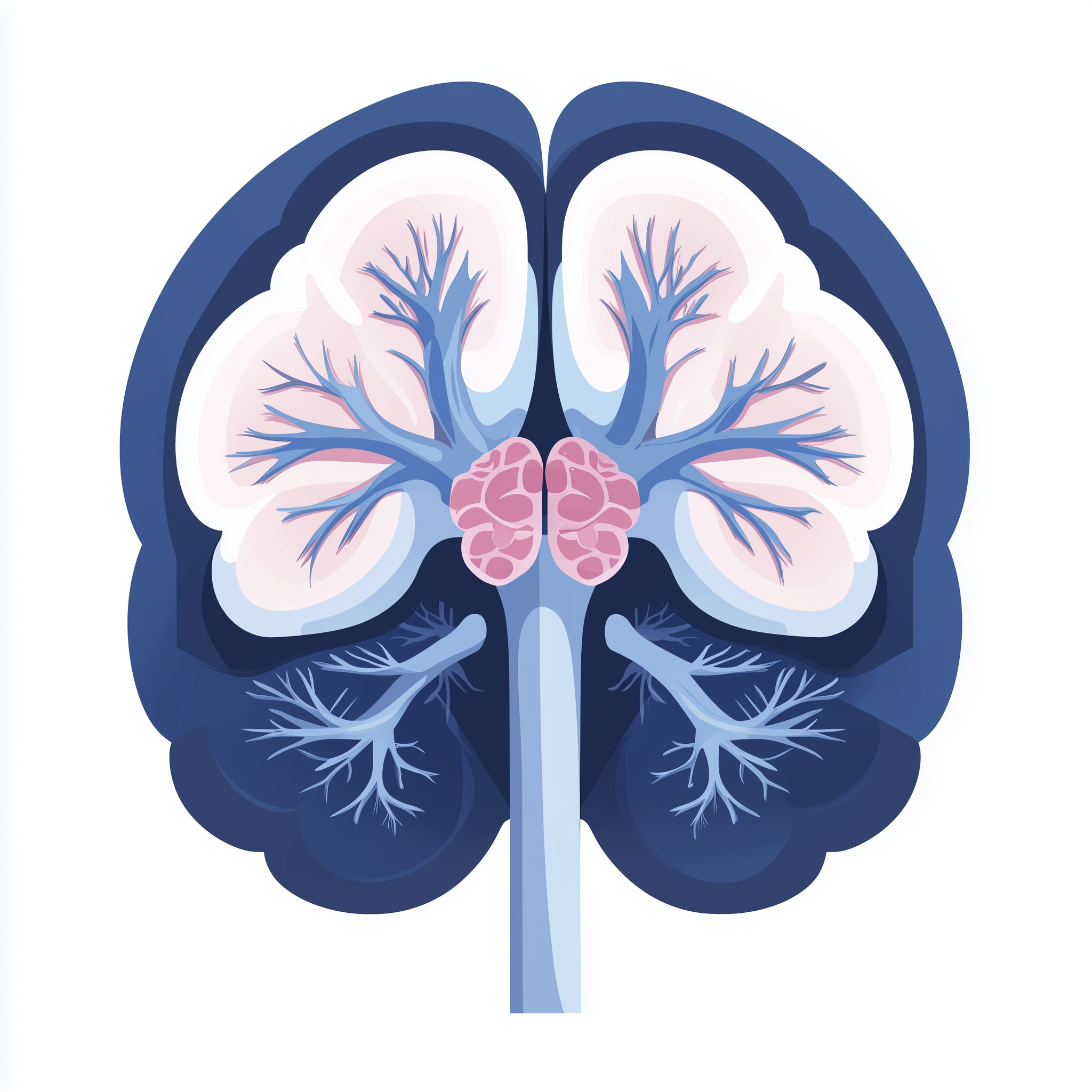
BPAN primarily affects the brain and central nervous system. The accumulation of iron is particularly noted in the basal ganglia, a group of structures deep within the brain that play a crucial role in controlling movement, learning, and emotions. The substantia nigra, another brain region involved in movement control, is also commonly affected. The progressive neurodegeneration impacts various brain functions, leading to the wide range of neurological and cognitive symptoms observed in individuals with BPAN.

Risks & severity
BPAN is considered a progressive condition, meaning its symptoms tend to worsen over time. The severity of symptoms can vary between individuals, but the general pattern of childhood developmental issues followed by adult-onset neurodegeneration is characteristic. The exact prevalence of BPAN is not well established, but it is considered a rare disorder. The progression of neurological decline in adulthood can significantly impact quality of life and independence.
While the childhood phase is marked by developmental challenges, the adult phase often brings more severe motor and cognitive impairments. The rate of progression in adulthood can differ, but it generally leads to increasing disability. Life expectancy can be reduced, particularly due to complications associated with severe neurological impairment, such as swallowing difficulties and recurrent infections.
Genetic causes
BPAN is caused by pathogenic variants (changes) in the WDR45 gene. This gene provides instructions for making a protein called WD repeat domain 45. The WDR45 protein is involved in a crucial cellular process called autophagy [PMID:24077950]. Autophagy is essentially the cell's recycling system, responsible for clearing out damaged or unnecessary cellular components, including proteins and organelles.
When the WDR45 gene has a pathogenic variant, the WDR45 protein may not function correctly. This disruption in autophagy is thought to lead to a build-up of cellular waste products, including iron, within brain cells. This accumulation can impair normal brain function and lead to the neurodegeneration seen in BPAN.
- WDR45 WD repeat domain 45
Inheritance pattern
BPAN is inherited in an X-linked dominant manner. The WDR45 gene is located on the X chromosome. Because females have two X chromosomes and males have one X and one Y chromosome, the inheritance pattern can differ between sexes.
In X-linked dominant conditions, a pathogenic variant in one copy of the gene on an X chromosome is sufficient to cause the condition. Females are typically more commonly affected than males, and symptoms can vary in severity. In males, who only have one X chromosome, a pathogenic variant in WDR45 can be very severe, and in some cases, may be incompatible with life or lead to earlier, more profound symptoms. Most reported cases of BPAN are due to new (de novo) pathogenic variants in WDR45, meaning the variant was not inherited from either parent but occurred for the first time in the affected individual.
When both parents are carriers, each child has a 25% chance of being affected, 50% of being a carrier, and 25% of being unaffected.
Diagnosis & testing
The diagnosis of BPAN is often suspected based on the characteristic clinical features, especially the two-phase progression of symptoms. Brain imaging, particularly magnetic resonance imaging (MRI), can show typical patterns of iron accumulation in specific brain regions, which supports the diagnosis [PMID:30676229].
A definitive diagnosis of BPAN is confirmed through genetic testing. This involves analysing the WDR45 gene to identify any pathogenic variants. In the UK, individuals suspected of having BPAN can be referred for genetic testing through the NHS Genomic Medicine Service. The relevant NHS National Genomic Test Directory R-code for NBIA disorders, including BPAN, would typically be used to guide testing. A clinical geneticist or neurologist would usually make the referral for such testing.
Management & lifestyle
Currently, there is no specific cure for BPAN. Management focuses on alleviating symptoms and improving quality of life. This often involves a multidisciplinary team approach, including neurologists, paediatricians, physiotherapists, occupational therapists, speech and language therapists, and dietitians.
Treatments may include medications to manage symptoms such as Parkinsonism (e.g., levodopa) or dystonia. Physical therapy and occupational therapy can help maintain mobility and independence. Speech and language therapy can assist with communication and swallowing difficulties. Regular monitoring for complications, such as seizures or feeding issues, is also important. Genetic counselling is recommended for affected individuals and their families to understand the condition and its inheritance pattern.
UK care pathway
In the UK, individuals suspected of having genetic neurological conditions like BPAN are typically referred to a clinical genetics service or specialist neurology clinic. Genetic testing is available through the NHS Genomic Medicine Service, guided by the National Genomic Test Directory. A genetic counsellor can provide detailed information about the condition, inheritance patterns, and discuss implications for the wider family.
Frequently asked questions
What is the typical age of onset for BPAN?
BPAN typically presents in two phases. The first phase, with developmental delays, usually starts in childhood. The second phase, involving Parkinsonism and dementia, generally begins in adolescence or early adulthood.
Is BPAN more common in males or females?
BPAN is an X-linked dominant condition. While both males and females can be affected, females are more commonly diagnosed. In males, the condition can sometimes be more severe or have different presentations due to having only one X chromosome.
Can BPAN be inherited from parents?
While BPAN is an inherited genetic condition, many cases are caused by new (de novo) pathogenic variants in the WDR45 gene, meaning the genetic change occurred for the first time in the affected individual and was not inherited from either parent. Genetic counselling can help families understand the specific inheritance risks.
Is there a cure for BPAN?
Currently, there is no cure for BPAN. Treatment focuses on managing the symptoms and improving the individual's quality of life through various therapies, medications, and supportive care from a multidisciplinary team.
How is BPAN diagnosed?
Diagnosis of BPAN involves a combination of clinical evaluation of symptoms, brain imaging (MRI) to detect characteristic iron accumulation, and genetic testing to confirm the presence of pathogenic variants in the WDR45 gene.