

On this page
Pantothenate kinase-associated neurodegeneration
PKAN is a rare genetic disorder that causes progressive damage to nerve cells in the brain, leading to movement difficulties, speech problems, and often changes in vision. It typically begins in childhood or adolescence.
Available at Jeen Health
Clinical tests that include this
Overview
Pantothenate kinase-associated neurodegeneration, often shortened to PKAN, is a very rare inherited condition that causes progressive damage to nerve cells in specific parts of the brain. This damage typically leads to problems with movement, balance, and speech, often worsening over time [PMID:33651152]. PKAN is part of a group of disorders known as neurodegeneration with brain iron accumulation (NBIA), as iron deposits can be observed in certain brain regions, particularly the globus pallidus [PMID:27027786].
Although it can appear at any age, PKAN most commonly begins in childhood or adolescence. The severity and specific symptoms can vary significantly between individuals. While it is a serious condition, understanding its genetic basis and progression helps in managing symptoms and supporting affected individuals.
Symptoms & clinical features
The symptoms of PKAN generally involve progressive difficulties with movement. These can include dystonia, which is sustained or repetitive muscle contractions causing twisting and repetitive movements or abnormal fixed postures. Spasms and stiffness in the limbs are also common [PMID:27027786].
Individuals with PKAN may also experience parkinsonism, a group of symptoms that includes slow movement (bradykinesia), rigidity, and tremors. Speech difficulties (dysarthria) and problems with swallowing (dysphagia) often develop as the condition progresses. In some cases, eye problems such as retinal degeneration, which affects vision, may also occur. Behavioural changes or psychiatric symptoms have also been noted in some individuals with PKAN.
Video: Genetics 101
Affected organs
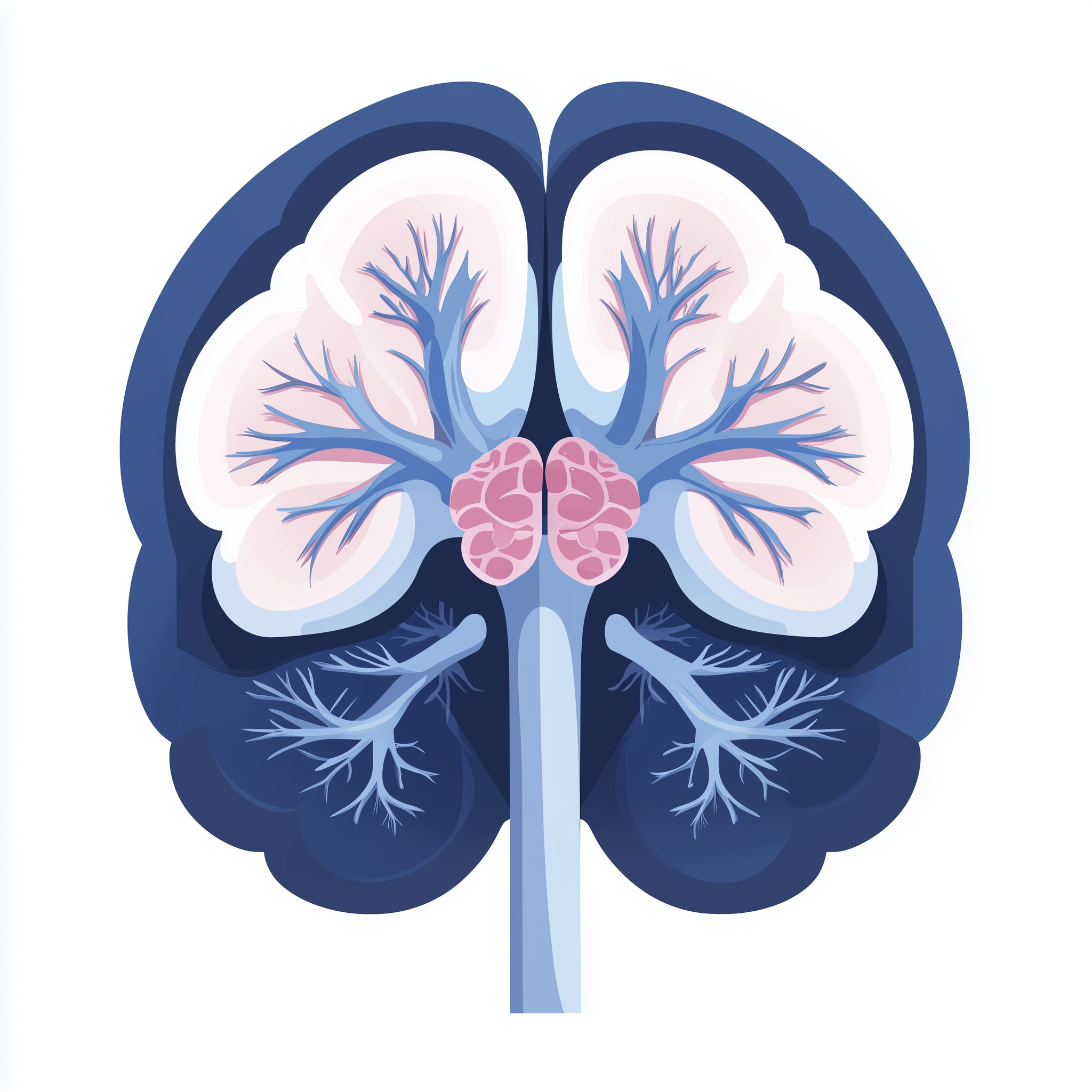
PKAN primarily affects the brain and the central nervous system. Specifically, areas deep within the brain, such as the basal ganglia (including the globus pallidus), are most impacted. These regions are crucial for controlling movement and balance. Damage and iron accumulation in these areas lead to the characteristic neurological symptoms observed in PKAN. The retina, at the back of the eye, can also be affected, leading to vision problems.

Risks & severity
PKAN is a progressive condition, meaning its symptoms typically worsen over time. The age at which symptoms first appear can influence the disease course. Early-onset PKAN, which usually begins before age six, tends to progress more rapidly and often leads to more severe symptoms, including significant motor disability and speech problems.
Later-onset PKAN, with symptoms appearing after age six and into adulthood, generally progresses more slowly and can have a more varied clinical picture. The exact prevalence of PKAN is not well established, but it is estimated to affect 1 to 3 individuals per million worldwide. While PKAN can severely impact quality of life, management strategies aim to alleviate symptoms and improve daily functioning.
Genetic causes
PKAN is caused by pathogenic variants in the *PANK2* gene. This gene provides instructions for making an enzyme called pantothenate kinase 2. This enzyme plays a crucial role in the body's cells, particularly within the mitochondria, which are often called the 'powerhouses' of the cell. Pantothenate kinase 2 is essential for producing coenzyme A (CoA), a molecule vital for many metabolic processes, including energy production and the synthesis of fatty acids.
When there are pathogenic variants in the *PANK2* gene, the pantothenate kinase 2 enzyme either does not work correctly or is not produced at all. This disruption in CoA metabolism is thought to lead to the accumulation of iron in the brain and the progressive neurodegeneration seen in PKAN. Understanding the role of *PANK2* helps explain the neurological symptoms experienced by individuals with this condition.
- PANK2 pantothenate kinase 2The PANK2 gene provides instructions for an enzyme called pantothenate kinase 2, which is vital for cellular energy production within mitochondria.
Inheritance pattern
PKAN is inherited in an autosomal recessive pattern. This means that an individual must inherit two copies of a pathogenic variant in the *PANK2* gene, one from each parent, to develop the condition. If a person inherits only one copy of the pathogenic variant, they are considered a 'carrier'. Carriers typically do not show any symptoms of PKAN but can pass the variant on to their children.
A child born to two carrier parents has a 25% chance of inheriting two pathogenic variants and developing PKAN, a 50% chance of being a carrier like their parents, and a 25% chance of inheriting no pathogenic variants and not being a carrier. Genetic counselling can provide detailed information and support for families concerned about autosomal recessive inheritance patterns.
When both parents are carriers, each child has a 25% chance of being affected, 50% of being a carrier, and 25% of being unaffected.
Diagnosis & testing
Diagnosing PKAN usually involves a combination of clinical assessment, imaging studies, and genetic testing. Doctors may suspect PKAN based on the characteristic neurological symptoms, particularly dystonia and parkinsonism, especially if they begin in childhood or adolescence. Magnetic resonance imaging (MRI) of the brain is often performed, which may reveal specific patterns, such as the 'eye-of-the-tiger' sign in the globus pallidus, highly suggestive of PKAN [PMID:27027786].
Confirmation of a PKAN diagnosis is made through genetic testing, which identifies pathogenic variants in the *PANK2* gene. In the UK, genetic testing for PKAN can be accessed through the NHS Genomic Medicine Service, often following referral from a neurologist or clinical geneticist. The relevant R-code for testing would typically be part of a broader panel for neurodegeneration or movement disorders, such as R253 Neurodegeneration with brain iron accumulation.
Management & lifestyle
While there is currently no cure for PKAN, management focuses on alleviating symptoms and improving quality of life. Treatment approaches are highly individualised and are typically provided by a multidisciplinary team of specialists, including neurologists, physiotherapists, occupational therapists, speech and language therapists, and dietitians.
Medications can help manage specific symptoms, such as dystonia (e.g., baclofen, botulinum toxin injections) or parkinsonism (e.g., levodopa), though their effectiveness can vary. Physical therapy, occupational therapy, and speech therapy are crucial for maintaining mobility, independence, and communication skills. Nutritional support, sometimes involving a feeding tube, may be necessary for swallowing difficulties. Regular follow-up with clinical genetics services and a neurologist is an important part of ongoing care within the NHS framework.
UK care pathway
In the UK, individuals with suspected genetic conditions like PKAN typically access care through the NHS Genomic Medicine Service. A referral to a clinical geneticist or neurologist is usually the first step. They can assess symptoms, arrange necessary investigations, and coordinate genetic testing. Genetic counsellors play a vital role, providing information about the condition, inheritance patterns, and supporting families through diagnosis and beyond. Testing for PKAN is generally performed as part of a panel for neurogenetic disorders (e.g., R253 Neurodegeneration with brain iron accumulation) via the NHS Genomic Laboratory Networks.
Frequently asked questions
Is PKAN always inherited?
Yes, PKAN is a genetic condition inherited in an autosomal recessive pattern. This means it is caused by inheriting two copies of a pathogenic variant in the *PANK2* gene, one from each parent.
Can PKAN symptoms be treated?
While there is no cure for PKAN, many of its symptoms can be managed to improve comfort and quality of life. Treatments often involve medications to control movement disorders and various therapies like physiotherapy and speech therapy.
What is the 'eye-of-the-tiger' sign?
The 'eye-of-the-tiger' sign is a specific finding on a brain MRI scan that is highly suggestive of PKAN. It refers to a particular appearance in a deep brain structure called the globus pallidus, which looks like an eye.
How rare is PKAN?
PKAN is considered a very rare condition. It is estimated to affect approximately 1 to 3 individuals out of every 1,000,000 people worldwide.
What support is available for families affected by PKAN?
Families in the UK can access support through the NHS, including specialist neurologists, genetic counsellors, and various therapists. Patient support groups and charities also provide valuable resources, information, and community connections.
References
- Feriante J, Gupta V. Neuroacanthocytosis. 2023. PMID: 32809602
- Walker RH, Jung HH, Danek A. Neuroacanthocytosis. Handbook of clinical neurology. 2011. PMID: 21496574
- Danek A, Walker RH. Neuroacanthocytosis. Current opinion in neurology. 2005. PMID: 16003113