

On this page
Primary familial erythrocytosis type 2
This condition leads to an abnormally high number of red blood cells in the bloodstream, which can increase blood thickness and raise the risk of blood clots. It typically becomes apparent in adulthood and follows an autosomal dominant inheritance pattern, meaning affected individuals have a 50% chance of passing the variant to each child.
Available at Jeen Health
Clinical tests that include this
Overview
Primary familial erythrocytosis type 2 belongs to a group of inherited conditions where the bone marrow produces excessive red blood cells without an obvious external trigger such as low oxygen levels or lung disease. Unlike acquired forms of erythrocytosis that develop due to smoking, sleep apnoea, or living at high altitude, this condition arises from a genetic change that disrupts normal regulation of red blood cell production. The disorder is rare, though exact prevalence figures in the UK population are not well established.
People with this condition typically maintain elevated haemoglobin and haematocrit levels throughout their lives. Whilst some individuals remain relatively asymptomatic for years, the increased red cell mass makes blood more viscous, potentially leading to complications such as headaches, dizziness, and an elevated risk of thrombotic events. Recognition of the inherited nature of this erythrocytosis is important for appropriate monitoring and for identifying at-risk family members who may benefit from genetic counselling.
Symptoms & clinical features
Many individuals with primary familial erythrocytosis type 2 experience relatively mild symptoms, particularly in earlier years. Common complaints include headaches, fatigue, and a sensation of fullness or pressure in the head. Some people notice facial flushing or a ruddy complexion due to the increased concentration of red blood cells near the skin surface. Dizziness, visual disturbances, and difficulty concentrating may occur when blood viscosity becomes significantly elevated.
The most serious concern relates to thromboembolic complications. The thickened blood flows less easily through small vessels, raising the risk of blood clots forming in veins or arteries. This can manifest as deep vein thrombosis in the legs, pulmonary embolism, or, less commonly, stroke or heart attack. Some affected individuals also experience itching after bathing, though this feature is more characteristic of other forms of erythrocytosis. Symptom severity varies considerably between people, even within the same family carrying identical VHL variants.
Video: Genetics 101
Affected organs
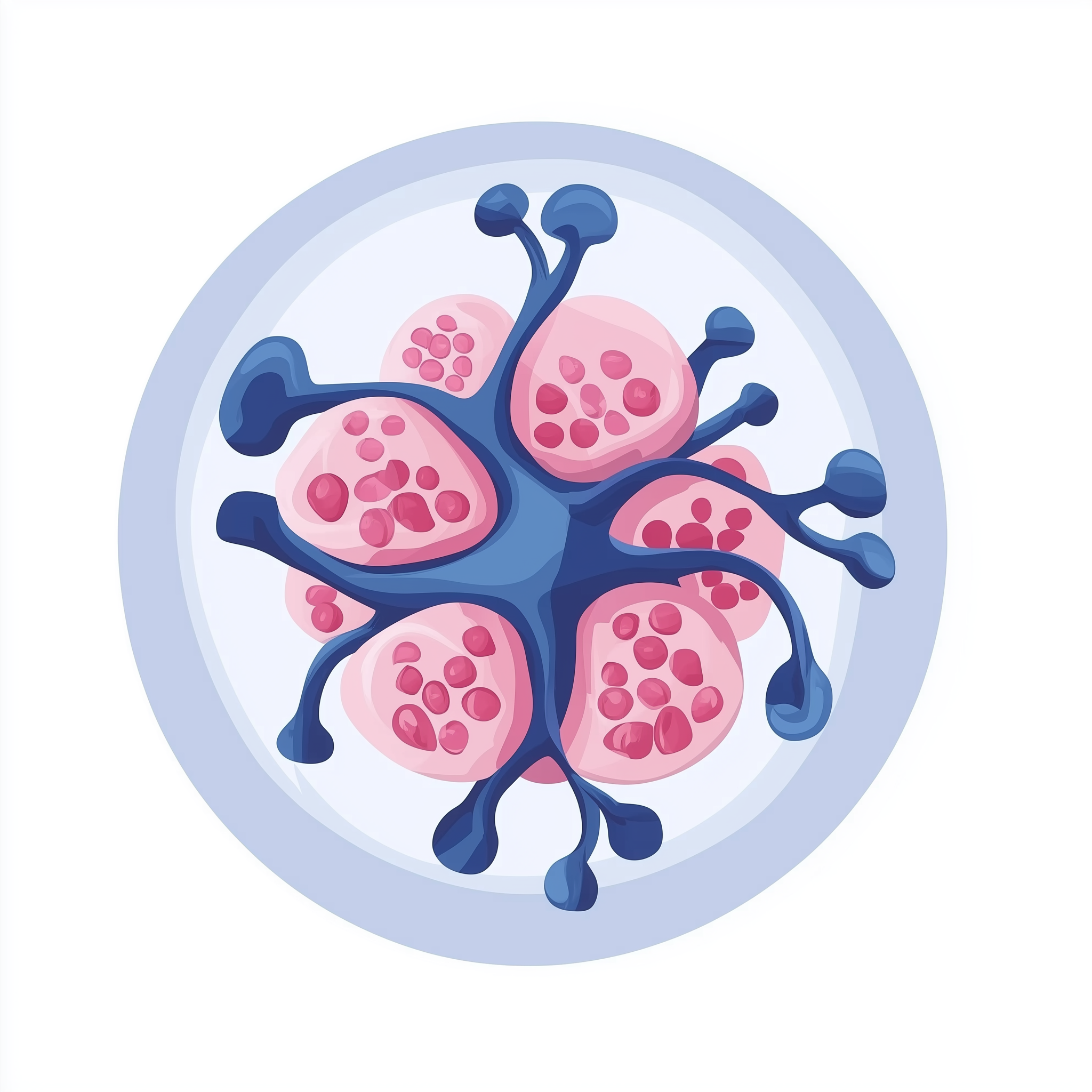
The primary impact of this condition is on the haematological system, specifically the bone marrow's production of red blood cells. The marrow itself functions normally in terms of cell maturation, but the regulatory signals governing how many red cells should be produced become disrupted. This leads to an overabundance of red blood cells circulating in the bloodstream, which in turn affects blood viscosity and oxygen-carrying capacity.
Secondary effects can involve the cardiovascular system due to increased blood thickness. The heart may need to work harder to pump more viscous blood through the circulation, and smaller blood vessels throughout the body face greater risk of clot formation. Organs such as the brain, lungs, and kidneys can be affected if thrombotic events occur, though the condition itself does not directly damage these organs in the way some other inherited disorders might.

Risks & severity
The severity of primary familial erythrocytosis type 2 varies widely. Some individuals live for decades with only mildly elevated red cell counts and minimal symptoms, whilst others develop more pronounced erythrocytosis requiring regular monitoring and intervention. The most significant risk relates to thrombotic complications, which can occur at any age once the condition manifests, though onset is typically in adulthood. Research suggests that maintaining lower haematocrit levels may help reduce thromboembolic risk, though the optimal target range for inherited erythrocytosis remains an area of ongoing clinical investigation.
Unlike some other conditions associated with VHL variants, primary familial erythrocytosis type 2 does not typically involve tumour formation. Certain VHL changes specifically affect the gene's role in regulating red blood cell production without disrupting its tumour suppressor functions. This distinction is important for genetic counselling, as it means affected individuals do not face the cancer surveillance requirements associated with von Hippel-Lindau disease. Age of onset varies, but many people first come to medical attention in their twenties to forties when routine blood tests reveal unexplained elevation in haemoglobin concentration.
Genetic causes
Primary familial erythrocytosis type 2 results from pathogenic variants in VHL, which encodes the von Hippel-Lindau tumour suppressor protein. This protein forms part of a larger molecular complex that helps cells respond appropriately to oxygen levels. Under normal circumstances, when oxygen is plentiful, the VHL protein complex targets specific proteins called hypoxia-inducible factors for degradation. These factors normally accumulate when oxygen is scarce, triggering the production of additional red blood cells and new blood vessel formation to improve oxygen delivery.
Specific variants in VHL associated with this form of erythrocytosis disrupt the protein's ability to regulate hypoxia-inducible factors effectively. As a result, these factors remain active even when oxygen levels are normal, sending inappropriate signals to the bone marrow to continue producing red blood cells. The bone marrow responds to these signals as if the body were experiencing chronic oxygen deprivation, leading to sustained overproduction of red cells. Importantly, the particular VHL changes causing erythrocytosis typically affect only the protein's role in oxygen sensing, leaving its tumour suppressor function largely intact, which explains why affected individuals do not develop the tumours characteristic of classic von Hippel-Lindau disease.
- VHL von Hippel-Lindau tumor suppressorThe VHL gene encodes a tumour suppressor protein that regulates cellular responses to oxygen levels and controls the degradation of proteins involved in blood vessel formation.
Inheritance pattern
Primary familial erythrocytosis type 2 follows an autosomal dominant inheritance pattern. This means a person needs only one altered copy of VHL to develop the condition - inheriting the variant from either parent is sufficient. Each child of an affected parent has a 50% chance of inheriting the pathogenic variant and therefore developing erythrocytosis themselves. The condition affects males and females equally.
Because the inheritance is dominant, families often show a clear vertical pattern of transmission across generations. However, the degree of red cell elevation can vary between family members carrying the same variant, a phenomenon known as variable expressivity. Rarely, a pathogenic VHL variant may arise as a new change in an individual with no family history, though most cases occur in families with a documented history of erythrocytosis. Genetic counselling can help families understand recurrence risks and make informed decisions about testing at-risk relatives.
Each child has a 50% chance of inheriting the pathogenic variant, regardless of sex.
Diagnosis & testing
Diagnosis typically begins when routine blood tests reveal persistently elevated haemoglobin and haematocrit levels without an obvious secondary cause. Initial investigations aim to exclude acquired causes of erythrocytosis such as smoking, chronic lung disease, sleep-disordered breathing, or living at high altitude. Clinicians will also measure erythropoietin levels and assess for conditions that might inappropriately stimulate red cell production.
Genetic testing of VHL can confirm the diagnosis when primary familial erythrocytosis is suspected based on family history and clinical findings. In the NHS, referral to clinical genetics services allows access to appropriate testing panels. The condition may be included in haematology-related gene panels available through the NHS Genomic Medicine Service, and relevant R-codes guide access to testing for inherited erythrocytosis. Confirmation of a pathogenic VHL variant enables cascade testing of at-risk family members and helps distinguish this condition from other inherited or acquired forms of polycythaemia.
Management & lifestyle
Management focuses on monitoring red blood cell counts and reducing thrombotic risk. Regular blood tests track haemoglobin and haematocrit levels over time. When these values rise above certain thresholds, venesection (removing blood periodically) may be recommended to maintain counts within a safer range, thereby reducing blood viscosity and clot risk. The frequency of venesection varies depending on how quickly red cell counts rise and individual patient factors.
Lifestyle measures that might influence blood thickness warrant discussion with healthcare teams. Adequate hydration helps maintain blood flow, whilst smoking cessation is particularly important given that smoking independently raises thrombotic risk. Some clinicians consider low-dose aspirin therapy to reduce clot formation risk, though this decision must be individualised based on personal and family history of thrombotic events balanced against bleeding risk. Regular follow-up with haematology services allows adjustment of monitoring frequency and interventions as needed. The NHS provides access to genetic counsellors who can discuss implications for family planning and testing of relatives.
UK care pathway
Individuals suspected of having primary familial erythrocytosis type 2 typically enter the care pathway through their GP or haematology service when blood tests show unexplained erythrocytosis. Referral to clinical genetics may be appropriate when family history or clinical features suggest an inherited cause. The NHS Genomic Medicine Service provides access to genetic testing for inherited erythrocytosis through appropriate haematology panels.
Once a genetic diagnosis is confirmed, ongoing care usually involves haematology outpatient services for monitoring and venesection when required. Genetic counselling services help affected individuals understand inheritance patterns and support family members considering predictive testing. The National Genomic Test Directory includes testing pathways for inherited bone marrow failure and related conditions, ensuring eligible patients can access appropriate molecular diagnostics to confirm their diagnosis and inform family screening.
Frequently asked questions
Will I develop the tumours seen in von Hippel-Lindau disease if I have primary familial erythrocytosis type 2?
The specific VHL variants causing primary familial erythrocytosis type 2 typically affect only red blood cell regulation, not the tumour suppressor function of the protein. Research suggests individuals with these particular changes do not face the elevated cancer risks associated with classic von Hippel-Lindau disease and therefore do not require the same intensive tumour surveillance protocols.
How often will I need venesection if my blood counts are high?
The frequency of venesection varies considerably between individuals and depends on how quickly your haematocrit rises after each procedure. Some people require blood removal every few weeks, whilst others maintain acceptable levels for several months between sessions. Your haematology team will tailor the schedule based on your blood test results and how you feel.
Should my children be tested for this condition?
Because primary familial erythrocytosis type 2 follows autosomal dominant inheritance, each of your children has a 50% chance of inheriting the pathogenic variant. Testing decisions depend on individual family circumstances and are best discussed with a genetic counsellor, who can explain the implications of testing, when it might be most appropriate, and what the results would mean for your children's health monitoring.
Can this condition affect my ability to have surgery or travel by aeroplane?
Elevated red blood cell counts can increase risks during surgery due to greater blood thickness, so it is important to inform your surgical team about your diagnosis. They may recommend venesection before planned procedures to optimise your haematocrit. For air travel, the slightly lower oxygen levels in aircraft cabins are generally well tolerated, though staying well hydrated and moving regularly during long flights helps reduce clot risk, which is already elevated in this condition.