

On this page
Action myoclonus-renal failure (AMRF)
AMRF is a rare genetic disorder characterised by progressive neurological symptoms, including involuntary muscle contractions (myoclonus), and kidney problems. It typically manifests in childhood or adolescence and is caused by changes in the SCARB2 gene.
Available at Jeen Health
Clinical tests that include this
Overview
Action myoclonus-renal failure (AMRF) is a rare genetic disorder that primarily affects two major organ systems: the brain and the kidneys. Individuals with AMRF typically experience neurological symptoms, such as myoclonus, which are sudden, involuntary muscle jerks, often triggered by movement or action. Over time, these neurological issues can worsen, impacting daily activities [PMID:33670973].
Beyond the neurological effects, AMRF also involves kidney dysfunction. This can range from mild abnormalities to progressive kidney failure, sometimes requiring dialysis or a kidney transplant. The condition is inherited, meaning it is passed down through families, and its rarity means that detailed prevalence figures are not widely available.
Symptoms & clinical features
The main clinical features of AMRF involve both neurological and renal systems. Neurological symptoms often begin in childhood or early adolescence, typically starting with action myoclonus. This means muscle jerks occur specifically when a person tries to move or perform a coordinated action, rather than when they are at rest. These myoclonic jerks can affect various parts of the body and may make activities like writing, eating, or walking challenging [PMID:17958567].
As the condition progresses, other neurological symptoms can emerge, including ataxia (problems with coordination and balance), and sometimes generalised seizures. Over time, speech and swallowing difficulties may also develop. Kidney involvement often becomes apparent after the onset of neurological symptoms, though the severity can vary greatly between individuals. Symptoms of kidney dysfunction might include fatigue, swelling, and changes in urination patterns, eventually leading to chronic kidney disease.
Video: Genetics 101
Affected organs
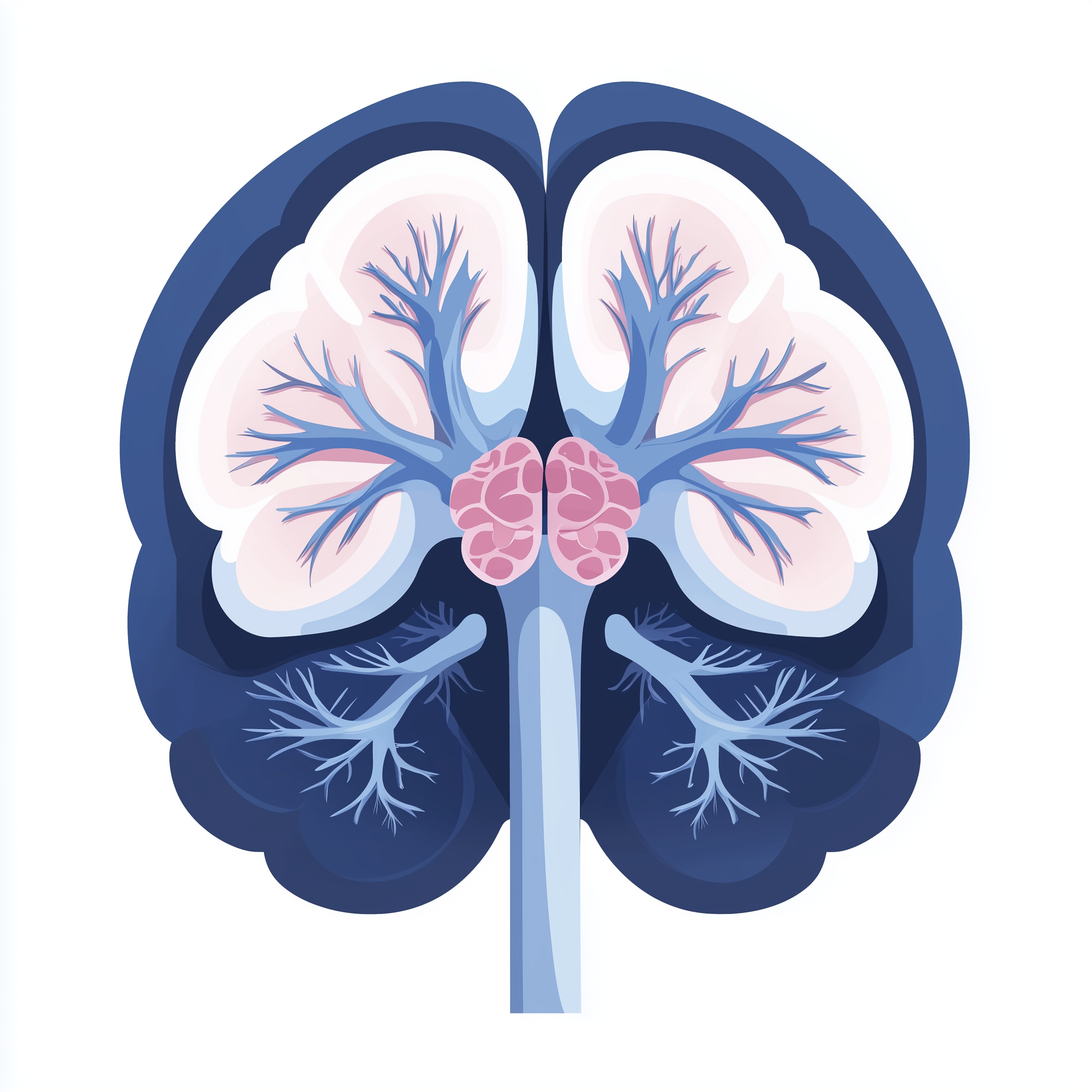
The primary organs affected in AMRF are the brain and the kidneys. In the brain, the condition specifically impacts nerve cells, leading to the characteristic myoclonus and other neurological issues such as ataxia and seizures. The progressive neurodegeneration contributes to the worsening of motor control and coordination over time.
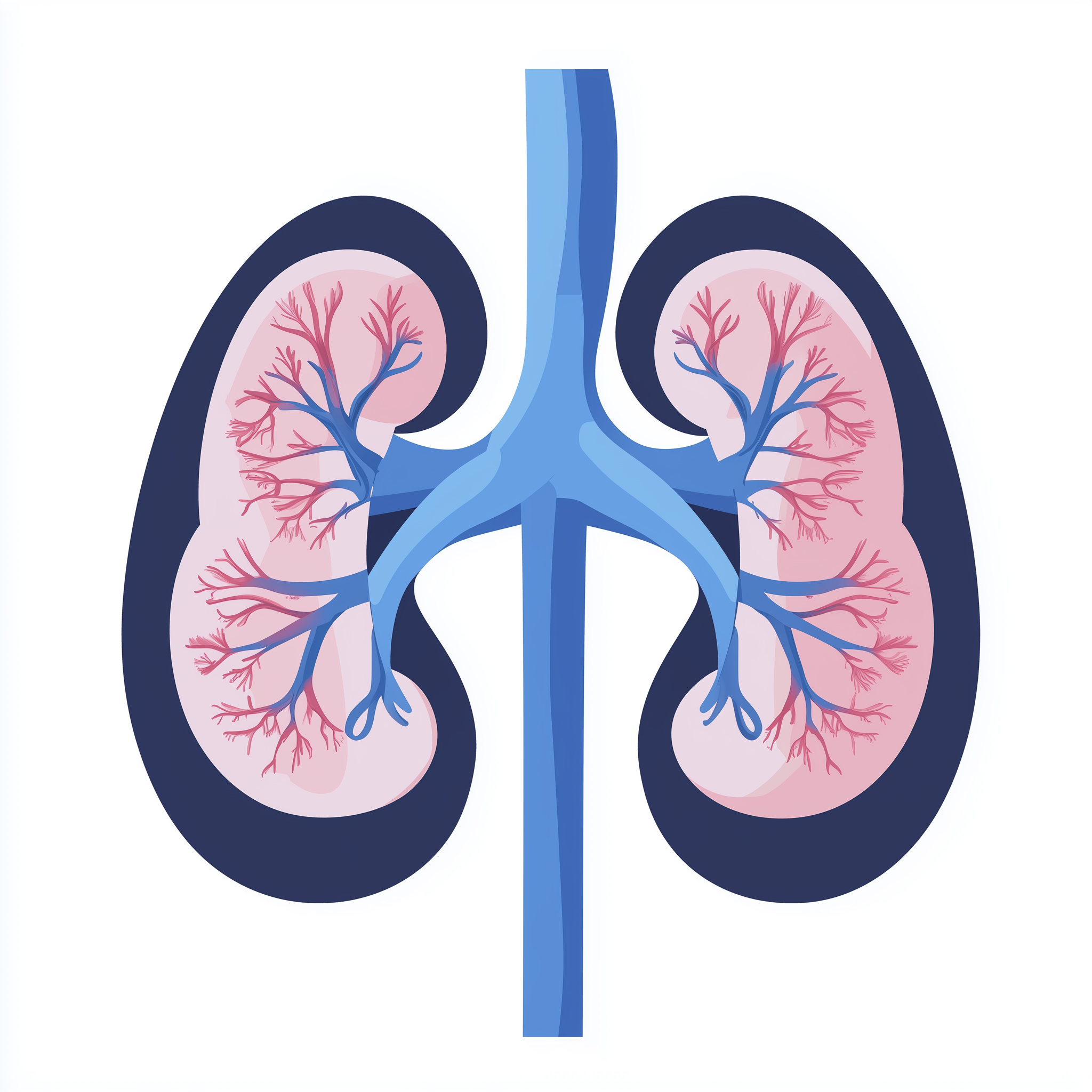
In the kidneys, AMRF causes a type of kidney disease known as glomerulonephropathy, affecting the tiny filtering units within the kidneys called glomeruli. This damage impairs the kidney's ability to filter waste products from the blood, potentially leading to chronic kidney failure. In some cases, other organs, such as the liver, have also been reported to be affected, though this is less common.
Risks & severity
AMRF is a progressive condition, meaning its symptoms tend to worsen over time. The age of onset for neurological symptoms typically ranges from childhood to early adolescence, often between 6 and 15 years, but can sometimes appear earlier or later. Kidney dysfunction usually becomes evident after the neurological symptoms have started, and its progression can vary.
The severity of AMRF varies significantly among individuals; some may experience a more gradual decline, while others have a more rapid progression of symptoms. Kidney failure requiring intervention, such as dialysis or transplant, is a common feature in later stages of the disease. The long-term outlook depends on the rate of disease progression and the effectiveness of symptom management.
Genetic causes
Action myoclonus-renal failure (AMRF) is caused by pathogenic variants in the SCARB2 gene. This gene provides instructions for making a protein called lysosomal integral membrane protein type-2 (LIMP-2) [PMID:17958567]. LIMP-2 is found in the membranes of lysosomes, which are small compartments within cells responsible for breaking down and recycling waste materials.
The LIMP-2 protein plays a crucial role in the proper functioning of lysosomes. It is involved in transporting certain enzymes into the lysosomes, which are essential for cellular waste management. When the SCARB2 gene has pathogenic variants, the LIMP-2 protein may be non-functional or absent. This disrupts lysosomal activity, leading to a build-up of waste products in cells, particularly in nerve cells and kidney cells, which eventually impairs their function and causes the symptoms seen in AMRF.
- SCARB2 scavenger receptor class B member 2
Inheritance pattern
AMRF follows an autosomal recessive pattern of inheritance. This means that an individual must inherit two copies of the altered SCARB2 gene - one from each parent - to develop the condition. People who have only one copy of the altered gene are known as carriers; they typically do not show symptoms of AMRF but can pass the altered gene on to their children.
If two carrier parents have a child, there is a 25% (1 in 4) chance that the child will inherit two altered copies of the gene and develop AMRF, a 50% (2 in 4) chance that the child will be a carrier, and a 25% (1 in 4) chance that the child will inherit two normal copies of the gene and not be affected or a carrier. This inheritance pattern is typically discussed in detail by a genetic counsellor.
When both parents are carriers, each child has a 25% chance of being affected, 50% of being a carrier, and 25% of being unaffected.
Diagnosis & testing
Diagnosing AMRF involves a combination of clinical evaluation and genetic testing. A doctor will typically assess a patient's neurological symptoms, such as the presence and characteristics of myoclonus, and evaluate kidney function through blood and urine tests. Imaging of the brain and kidneys may also be part of the diagnostic process.
Confirmation of AMRF comes from genetic testing, specifically looking for pathogenic variants in the SCARB2 gene. Individuals suspected of having AMRF, or at risk due to a family history, can be referred to a clinical genetics service for assessment and genetic testing. This type of testing is available through the NHS Genomic Medicine Service and may be covered by specific R-codes for neurological or renal disorders with a suspected genetic cause [PMID:17958567].
Management & lifestyle
Currently, there is no cure for AMRF, so management focuses on alleviating symptoms and slowing the progression of the disease. For neurological symptoms, anti-epileptic medications may be prescribed to help control myoclonus and seizures. Physiotherapy, occupational therapy, and speech therapy can also be beneficial in managing motor difficulties and maintaining quality of life.
Kidney involvement requires careful monitoring by a kidney specialist (nephrologist). Management may include medications to control blood pressure or reduce protein in the urine, and dietary modifications. In cases of advanced kidney failure, dialysis or kidney transplantation may be necessary. Regular follow-up appointments with a multidisciplinary team, including neurologists and nephrologists, are essential to adapt care as the condition progresses.
UK care pathway
In the UK, individuals with suspected genetic conditions like AMRF are typically referred to a Clinical Genetics service within the NHS Genomic Medicine Service. This pathway allows for comprehensive evaluation, genetic testing, and access to genetic counselling. Genetic counsellors play a vital role in explaining the inheritance pattern, implications for family members, and navigating the diagnostic and management process. Testing for AMRF would likely fall under relevant R-codes for inherited neurological or kidney disorders, as determined by a specialist.
Frequently asked questions
What is myoclonus?
Myoclonus refers to sudden, involuntary muscle jerks or spasms. In AMRF, these jerks are often 'action myoclonus,' meaning they are triggered or worsened when a person attempts to move or perform a voluntary action, affecting coordination.
Is AMRF always inherited from both parents?
Yes, AMRF is an autosomal recessive condition, meaning an individual must inherit a pathogenic variant in the SCARB2 gene from both their mother and their father to develop the disorder. If you only inherit one altered copy, you are a carrier but typically won't have symptoms.
Can carriers of AMRF develop symptoms?
No, carriers of AMRF, who have one typical copy and one pathogenic copy of the SCARB2 gene, generally do not develop symptoms of the condition. They are healthy individuals who can pass on the altered gene to their children.
What kind of doctors treat AMRF?
Individuals with AMRF are typically cared for by a team of specialists. This includes neurologists for the muscle jerks and other nervous system symptoms, and nephrologists for kidney-related issues. Genetic counsellors also provide essential support and information.
When do symptoms of AMRF typically start?
Neurological symptoms of AMRF, such as myoclonus, usually begin in childhood or early adolescence, commonly between the ages of 6 and 15 years. Kidney problems often become apparent a few years after the onset of neurological symptoms.
References
- Colucci F, Dardis A, Pavan E. Miglustat as Disease-Modifying Therapy in a Patient with SCARB2-Related Action Myoclonus Renal Failure. Movement disorders clinical practice. 2025. PMID: 39512127