

On this page
Alport syndrome (autosomal recessive)
Also known as Autosomal recessive Alport syndrome
This inherited disorder results from changes in specific collagen-forming genes, affecting the function of the body's filtering units. It typically leads to kidney disease, hearing loss, and eye abnormalities, impacting individuals from childhood or adolescence.
Available at Jeen Health
Clinical tests that include this
Overview
Alport syndrome is a genetic condition that mainly affects the kidneys, but can also cause problems with hearing and vision. The autosomal recessive form of Alport syndrome occurs when an individual inherits two altered copies of certain genes, one from each parent. This means both parents are carriers of the condition, usually without symptoms themselves [PMID:33671871]. The condition is characterised by progressive damage to the tiny filtering units within the kidneys, known as glomeruli. Over time, this damage can lead to kidney failure, which is when the kidneys stop working effectively.
In the UK, genetic conditions like Alport syndrome are identified through the NHS Genomic Medicine Service. The overall prevalence of Alport syndrome is estimated to be approximately 1 in 50,000 people, though the exact prevalence of the autosomal recessive form alone is not well established [PMID:27038141]. Understanding this condition is important for early diagnosis and management to help slow its progression and manage associated symptoms.
Symptoms & clinical features
The main symptoms of autosomal recessive Alport syndrome relate to kidney function, hearing, and vision. Kidney involvement often begins with microscopic haematuria, which is the presence of blood in the urine that is only detectable with a microscope or dipstick test. Proteinuria, or protein in the urine, may develop later and can be a sign of worsening kidney function [PMID:33671871]. Over time, kidney function progressively declines, leading to chronic kidney disease and eventually end-stage kidney disease, which requires dialysis or a kidney transplant.
Sensorineural hearing loss is another common feature, typically affecting both ears and worsening over time. This type of hearing loss means there is damage to the inner ear or the nerve pathways from the inner ear to the brain. Eye abnormalities can also occur, including lenticonus, where the lens of the eye becomes cone-shaped, and retinal flecks, which are small, yellow-white spots on the retina. These eye changes can affect vision [PMID:27038141]. The severity and combination of these symptoms can vary between individuals, even within the same family.
Video: Genetics 101
Affected organs
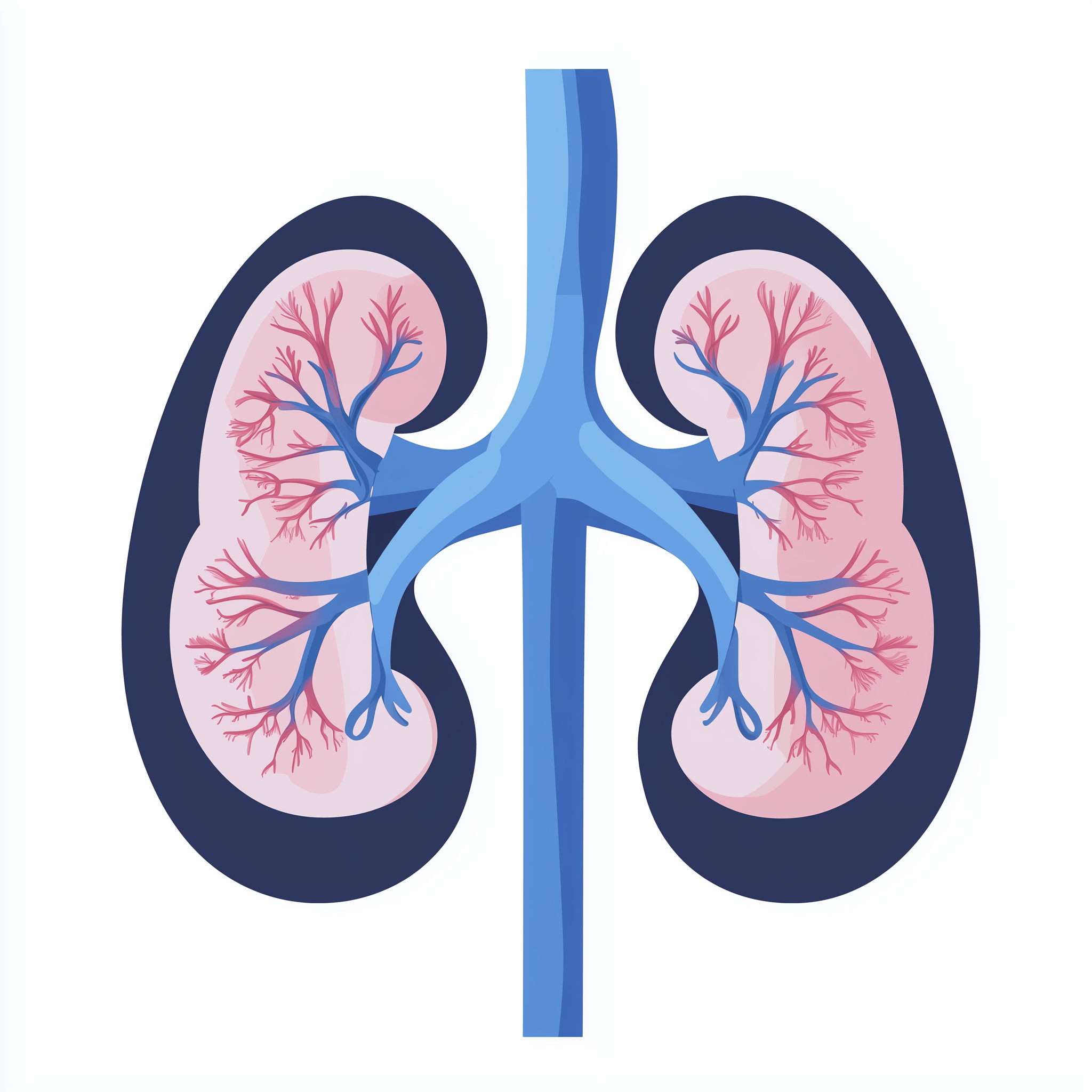
The primary organs affected by autosomal recessive Alport syndrome are the kidneys, ears, and eyes. In the kidneys, the glomeruli, which are the tiny filtering units, are progressively damaged. This damage affects the kidney's ability to filter waste products from the blood and retain important proteins, leading to conditions such as haematuria and proteinuria.
In the ears, the inner ear structures are affected, leading to sensorineural hearing loss. This is due to issues with the tiny hair cells or nerve fibres involved in transmitting sound. In the eyes, the lens and retina can be affected, potentially causing conditions like lenticonus and retinal flecks, which can impair vision.

Risks & severity
Autosomal recessive Alport syndrome generally presents with significant clinical impact, often leading to end-stage kidney disease by early adulthood. The progression of kidney disease can vary, but individuals typically require kidney replacement therapy, such as dialysis or transplantation, during their lifetime. Hearing loss also tends to be progressive, often starting in childhood or adolescence and worsening over time.
The severity of eye abnormalities can range from mild to significant, with lenticonus potentially causing vision problems that may require corrective lenses or surgery. While the condition is serious, early diagnosis and ongoing medical management can help slow disease progression and manage symptoms, improving quality of life. The clinical features can be severe, even in childhood.
Genetic causes
Autosomal recessive Alport syndrome is caused by pathogenic variants in either the COL4A3 or COL4A4 genes. These genes provide instructions for making components of type IV collagen, a crucial protein that forms strong, flexible networks known as basement membranes [PMID:33671871]. Basement membranes are thin, sheet-like structures that provide structural support to cells in many tissues, including the kidneys, inner ear, and eyes.
Specifically, the COL4A3 gene encodes the alpha3(IV) chain, and the COL4A4 gene encodes the alpha4(IV) chain of type IV collagen. When there are pathogenic changes in both copies of either COL4A3 or COL4A4, the structure and function of these basement membranes become impaired. This impairment particularly affects the glomeruli in the kidneys, leading to their progressive damage, and similarly impacts the structures within the inner ear and eyes, resulting in the characteristic symptoms of Alport syndrome.
- COL4A3 collagen type IV alpha 3 chainThe COL4A3 gene provides instructions for making a critical component of type IV collagen, which is essential for the structural integrity of basement membranes, particularly in the kidneys.
- COL4A4 collagen type IV alpha 4 chainThe COL4A4 gene provides instructions for making one of the alpha chains of type IV collagen, a crucial structural component of basement membranes found in many tissues, particularly the kidneys, inner ear, and eyes.
Inheritance pattern
Autosomal recessive Alport syndrome follows an autosomal recessive inheritance pattern. This means that an individual must inherit two altered copies of the same gene, one from each parent, to develop the condition. If a person inherits only one altered copy of the gene, they are considered a carrier. Carriers typically do not show symptoms of Alport syndrome themselves, but they can pass on the altered gene to their children.
For parents who are both carriers of an altered COL4A3 or COL4A4 gene, there is a 25% chance with each pregnancy that their child will inherit two altered gene copies and therefore develop autosomal recessive Alport syndrome. There is a 50% chance their child will be a carrier, and a 25% chance their child will inherit two unaffected gene copies and not be a carrier or have the condition. Genetic counselling can provide detailed information and support for families concerned about this inheritance pattern.
When both parents are carriers, each child has a 25% chance of being affected, 50% of being a carrier, and 25% of being unaffected.
Subtypes & variants
This page covers Alport syndrome (autosomal recessive) as a single condition. Several distinct variants and clinical subtypes are recognised in the literature - they share the underlying biology and broad management approach, but differ in severity, age of onset, or causative gene:
- Autosomal recessive Alport syndrome OMIM 203780
Alternative entry retained from earlier seeding. Clinically identical to the autosomal recessive form catalogued here.
Diagnosis & testing
Diagnosis of autosomal recessive Alport syndrome typically begins with a clinical suspicion based on the presence of microscopic haematuria, proteinuria, hearing loss, or eye abnormalities. Further investigation often involves a kidney biopsy, which can show characteristic changes in the kidney's basement membranes. Audiometry is used to assess hearing, and an ophthalmological examination helps detect eye abnormalities.
Genetic testing is crucial for confirming the diagnosis and identifying the specific pathogenic variants in COL4A3 or COL4A4. This testing is usually arranged by a clinical genetics service within the NHS, often following a referral from a nephrologist, audiologist, or ophthalmologist. The NHS Genomic Medicine Service supports genomic testing for suspected Alport syndrome, which falls under relevant R-codes for inherited renal disorders. Genetic counsellors play a vital role in explaining the testing process, results, and implications for both the individual and their family.
Management & lifestyle
Management of autosomal recessive Alport syndrome focuses on slowing the progression of kidney disease, managing hearing loss, and addressing eye abnormalities. For kidney disease, treatment often involves medications that help to reduce protein in the urine and protect kidney function, such as ACE inhibitors or angiotensin receptor blockers. Regular monitoring of kidney function, blood pressure, and urine tests is essential.
For hearing loss, hearing aids can be used to improve auditory function. Regular audiology assessments are important to monitor changes in hearing. Eye abnormalities, such as lenticonus, may require corrective lenses or, in some cases, surgical intervention. Throughout the disease course, individuals will be supported by a multidisciplinary team within the NHS, including nephrologists, audiologists, ophthalmologists, and genetic counsellors, to provide comprehensive care and support.
UK care pathway
In the UK, individuals suspected of having autosomal recessive Alport syndrome will typically enter the NHS care pathway via a referral to specialist services, such as a nephrology (kidney) department, an audiology service, or an ophthalmology department. If a genetic condition is suspected, they will usually be referred to a clinical genetics service.
The clinical genetics team can arrange genomic testing, which is available through the NHS Genomic Medicine Service. This testing will look for changes in genes like COL4A3 and COL4A4. Genomic testing for inherited kidney disorders, including Alport syndrome, is covered by specific R-codes within the NHS National Genomic Test Directory. Genetic counsellors provide essential support throughout this process, offering information about the condition, inheritance patterns, and the implications of genetic test results for the individual and their wider family.
Frequently asked questions
What is the difference between autosomal recessive and X-linked Alport syndrome?
Autosomal recessive Alport syndrome requires two altered gene copies (one from each parent) to develop, affecting males and females similarly. X-linked Alport syndrome, caused by changes in the COL4A5 gene on the X chromosome, primarily affects males more severely, while females who are carriers may have milder symptoms.
Can Alport syndrome be cured?
Currently, there is no cure for Alport syndrome. However, treatments focus on managing symptoms and slowing the progression of kidney disease to delay kidney failure. This can involve medications and regular medical monitoring.
What are the early signs of kidney involvement in Alport syndrome?
One of the earliest and most common signs of kidney involvement is microscopic haematuria, which is blood in the urine that can only be seen under a microscope. Proteinuria, or protein in the urine, often develops later as kidney function begins to decline.
If I am a carrier, will my children definitely have Alport syndrome?
If you are a carrier of an altered gene for autosomal recessive Alport syndrome, your children will only have the condition if your partner is also a carrier of an altered gene for the same condition, and they inherit two altered copies. With each pregnancy, there is a 25% chance of the child having the condition if both parents are carriers.
What kind of specialist doctors will I see for Alport syndrome?
You will typically see a team of specialists, including a nephrologist (kidney doctor), an audiologist for hearing assessments, an ophthalmologist for eye care, and a clinical geneticist or genetic counsellor for information about the genetic aspects and inheritance.
References
- Savige J, Renieri A, Ars E. Digenic Alport Syndrome. Clinical journal of the American Society of Nephrology : CJASN. 2022. PMID: 35675912
- Zhang Y, Böckhaus J, Wang F. Genotype-phenotype correlations and nephroprotective effects of RAAS inhibition in patients with autosomal recessive Alport syndrome. Pediatric nephrology (Berlin, Germany). 2021. PMID: 33772369
- Gregorio V, Caparali EB, Shojaei A. Alport Syndrome: Clinical Spectrum and Therapeutic Advances. Kidney medicine. 2023. PMID: 37122389
- Adam MP, Bick S, Mirzaa GM. Alport Syndrome. 1993. PMID: 20301386
- Storey H, Savige J, Sivakumar V. COL4A3/COL4A4 mutations and features in individuals with autosomal recessive Alport syndrome. Journal of the American Society of Nephrology : JASN. 2013. PMID: 24052634
- Savige J, Storey H, Il Cheong H. X-Linked and Autosomal Recessive Alport Syndrome: Pathogenic Variant Features and Further Genotype-Phenotype Correlations. PloS one. 2016. PMID: 27627812
- Horinouchi T, Yamamura T, Nagano C. Heterozygous Urinary Abnormality-Causing Variants of COL4A3 and COL4A4 Affect Severity of Autosomal Recessive Alport Syndrome. Kidney360. 2020. PMID: 35369551
- Zhou L, Xi B, Xu Y. Clinical, histological and molecular characteristics of Alport syndrome in Chinese children. Journal of nephrology. 2023. PMID: 37097554