

On this page
IgA nephropathy (familial)
This build-up can cause inflammation and damage, potentially affecting kidney function over time. It can impact individuals of any age, and a family history of the condition is often present.
Overview
Familial IgA nephropathy is a type of primary glomerulonephritis, a group of conditions affecting the glomeruli, which are tiny filters in the kidneys [PMID:31740523]. In this condition, an antibody called immunoglobulin A (IgA) deposits in these filters. While the exact reasons for these deposits are not fully understood, they can trigger inflammation and damage within the kidneys. When IgA nephropathy runs in families, it is referred to as familial, suggesting a genetic predisposition, though the inheritance pattern is often complex [PMID:31740523].
Symptoms & clinical features
The symptoms of familial IgA nephropathy can vary widely. Some individuals might have no noticeable symptoms for many years, with the condition only discovered incidentally through routine urine tests showing blood or protein. For others, common symptoms can include recurrent episodes of visible blood in the urine (haematuria), often occurring alongside or shortly after an infection, such as a sore throat or common cold. This is known as synpharyngitic haematuria. Less commonly, individuals might experience swelling (oedema) in the legs, ankles, or around the eyes, or develop high blood pressure. In some cases, kidney function may decline gradually, leading to symptoms of chronic kidney disease, such as fatigue, nausea, and reduced appetite.
Video: Genetics 101
Affected organs
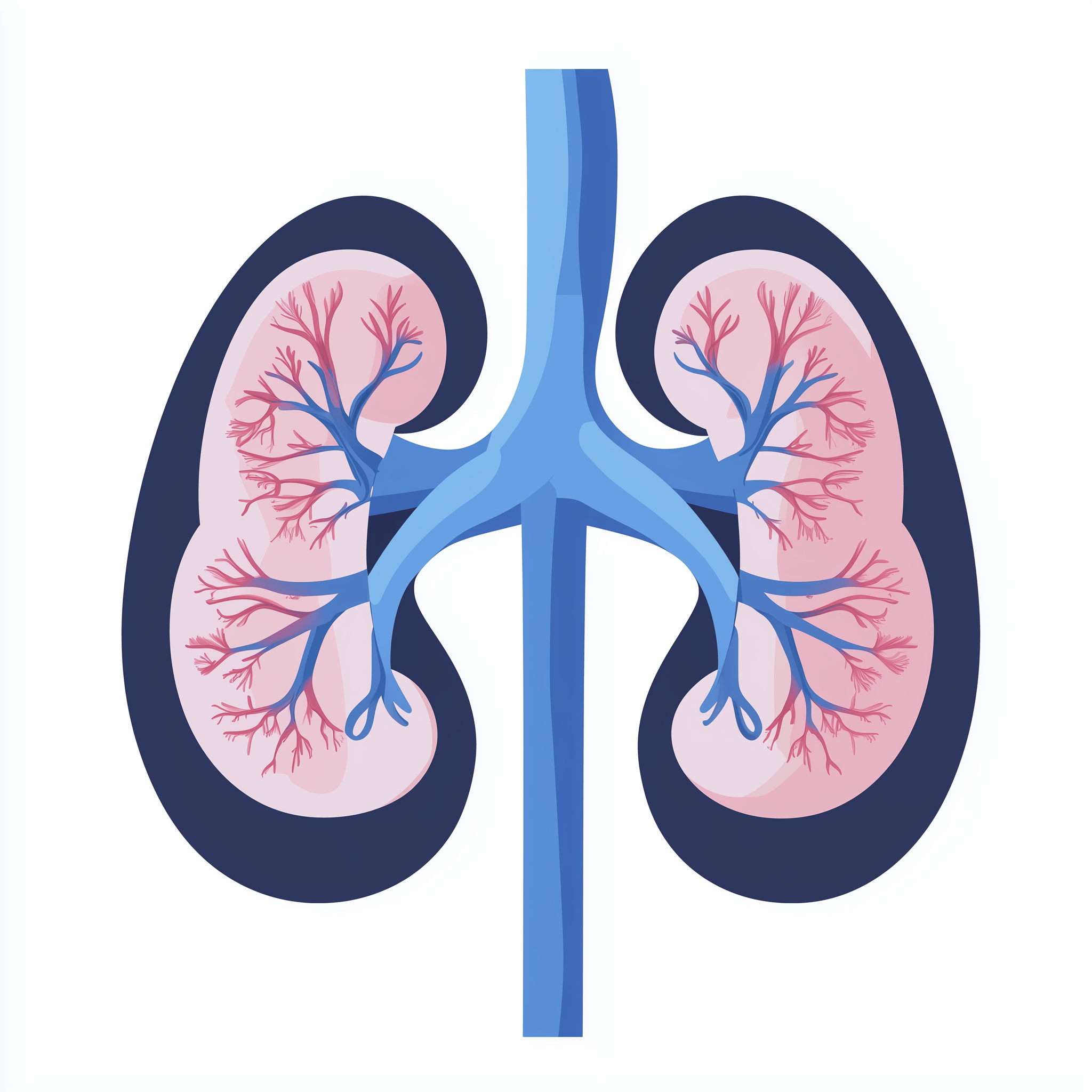
The primary organ affected in familial IgA nephropathy is the kidney. Specifically, the condition targets the glomeruli, which are crucial for filtering waste products and excess water from the blood to produce urine. The build-up of IgA antibodies in these filters leads to inflammation and can cause scarring over time. This damage can impair the kidneys' ability to function effectively, potentially leading to a gradual loss of kidney function. Other organs are generally not directly affected by the IgA deposits, but complications like high blood pressure can impact cardiovascular health.

Risks & severity
The severity of familial IgA nephropathy can differ considerably between individuals, even within the same family. While some people may experience a mild course with stable kidney function for decades, others may face a more rapid progression towards kidney failure. Approximately 20-40% of individuals with IgA nephropathy may eventually develop end-stage kidney disease (ESKD) [PMID:31740523]. Factors that might influence disease progression include persistent protein in the urine (proteinuria), high blood pressure, and severe scarring in kidney biopsies. The age of onset can also vary, with symptoms sometimes appearing in childhood, but often becoming noticeable in young adulthood.
Genetic causes
Familial IgA nephropathy is considered a polygenic or complex condition, meaning it is influenced by multiple genes working together, as well as environmental factors. Unlike conditions caused by a single gene change, there isn't one specific gene identified as the sole cause of familial IgA nephropathy. Research suggests that variations in several genes may increase an individual's susceptibility to developing the condition. These genes might play roles in immune system regulation, kidney structure, or how IgA antibodies are processed and deposited [PMID:30138670]. However, the precise genetic mechanisms are still under investigation, and not all individuals with a family history will develop the condition.
Inheritance pattern
Familial IgA nephropathy typically follows a polygenic or complex inheritance pattern. This means that a combination of genetic factors, rather than a single faulty gene, contributes to an individual's risk of developing the condition. It also means that environmental factors may play a role. When a condition has complex inheritance, it does not fit the simple dominant or recessive patterns. Instead, there can be multiple affected individuals across different generations within a family, but the risk for relatives is generally lower than for single-gene disorders and can be harder to predict. Genetic counselling can help families understand these complex risks.
Diagnosis & testing
Diagnosis of familial IgA nephropathy typically begins with clinical suspicion, often prompted by symptoms such as visible blood in the urine or abnormal results on routine urine tests. A kidney biopsy is generally required to confirm the diagnosis. During a biopsy, a small sample of kidney tissue is taken and examined under a microscope to look for the characteristic IgA deposits and signs of inflammation or damage [PMID:30138670]. Blood tests may also be performed to assess kidney function and to rule out other causes of kidney disease. If there is a family history, this information will be important for the clinical team. While there isn't a specific NHS R-code for familial IgA nephropathy genetic testing due to its complex inheritance, individuals with suspected or confirmed IgA nephropathy may be referred to a nephrologist (kidney specialist) who will guide the diagnostic process.
Management & lifestyle
Management of familial IgA nephropathy focuses on slowing the progression of kidney damage and managing symptoms. There is no specific cure, so treatment strategies are individualised based on the severity of the disease and its progression. This often includes controlling blood pressure, usually with medications known as ACE inhibitors or ARBs, which can also help reduce protein loss in the urine. Dietary changes, such as reducing salt intake, may also be recommended. In some cases, medications that suppress the immune system may be considered. Regular monitoring of kidney function, blood pressure, and urine protein levels is essential to track the disease and adjust treatment as needed. If kidney function significantly declines, discussions about kidney replacement therapies, such as dialysis or transplantation, may occur. Management is overseen by a renal specialist (nephrologist) within the NHS.
UK care pathway
In the UK, individuals with suspected or diagnosed familial IgA nephropathy would typically be managed within the NHS. This usually involves referral to a nephrology service, where kidney specialists can oversee diagnosis, monitoring, and treatment. While there isn't a specific genetic test routinely available for this complex condition on the NHS Genomic Medicine Service due to its polygenic nature, individuals and their families can access genetic counselling services. Genetic counsellors can provide information about the condition, discuss inheritance patterns, and help families understand the implications of a familial predisposition.
Frequently asked questions
Is familial IgA nephropathy hereditary?
Yes, it is considered hereditary, meaning it can run in families. However, it typically has a complex inheritance pattern, meaning multiple genetic factors and possibly environmental influences contribute to its development, rather than a single gene change.
What is the likelihood my children will inherit familial IgA nephropathy?
Predicting the exact likelihood is difficult due to the complex inheritance pattern. It is not as straightforward as single-gene disorders. If you have concerns, speaking with a genetic counsellor can provide a more personalised risk assessment based on your family history.
What are the early signs I should watch out for?
Early signs often include visible blood in the urine, particularly after an infection, or protein in the urine detected during routine tests. High blood pressure or swelling in the legs or around the eyes can also be indicators. Regular check-ups with a GP can help identify these signs.
Can diet changes help manage the condition?
Dietary adjustments, such as reducing salt intake, can often be helpful in managing blood pressure and reducing fluid retention, which are important aspects of care for IgA nephropathy. A renal dietitian can provide specific advice tailored to your needs.
How often will I need to have my kidneys checked?
Regular monitoring of kidney function, blood pressure, and urine protein levels is crucial. Your nephrologist will determine the frequency of these checks, which can range from every few months to annually, depending on the severity and stability of your condition.