

On this page
Colorectal cancer (polygenic risk)
Also known as Colorectal cancer · Bowel cancer
Most colorectal cancer arises from the combined influence of many common genetic variants across the genome, each contributing a small effect, alongside environmental and lifestyle factors. This polygenic architecture differs from rare hereditary syndromes caused by single high-penetrance gene mutations.
Available at Jeen Health
Clinical tests that include this
Overview
Colorectal cancer is one of the most common malignancies in the UK, with a lifetime risk of approximately 4% in the general population. While a small proportion of cases result from highly penetrant pathogenic variants in genes such as those causing Lynch syndrome or familial adenomatous polyposis, the majority of colorectal cancer cases do not follow simple Mendelian inheritance. Instead, susceptibility is shaped by polygenic risk - the aggregate effect of numerous common genetic variants scattered across the genome, each contributing a modest increase in risk. Genome-wide association studies have identified more than 100 independent loci associated with colorectal cancer risk, collectively explaining a portion of heritable susceptibility. These common variants interact with environmental exposures, dietary patterns, physical activity levels, and other modifiable factors to influence an individual's overall likelihood of developing the disease. Understanding polygenic risk can help stratify screening and prevention strategies, though it does not currently alter standard NHS care pathways for most individuals.
Symptoms & clinical features
Colorectal cancer may present with a range of symptoms, though many individuals remain asymptomatic in early stages, underscoring the importance of population-based screening programmes. Common presenting features include persistent change in bowel habit, such as increased frequency of loose stools or constipation lasting several weeks, rectal bleeding or blood mixed with stool, unexplained abdominal pain or discomfort, and unintentional weight loss. Some individuals notice a sensation of incomplete bowel emptying or a palpable abdominal mass. Symptoms often develop gradually, and their presence does not reliably distinguish between benign conditions and malignancy. Iron deficiency anaemia detected on routine blood tests may be the first indication of occult bleeding from a colonic tumour. The NHS advises that anyone experiencing persistent bowel symptoms, particularly those aged over 50 or with a family history, should seek prompt medical assessment. Early detection through screening or investigation of symptoms significantly improves treatment outcomes.
Video: Is cancer in your genes?
Affected organs
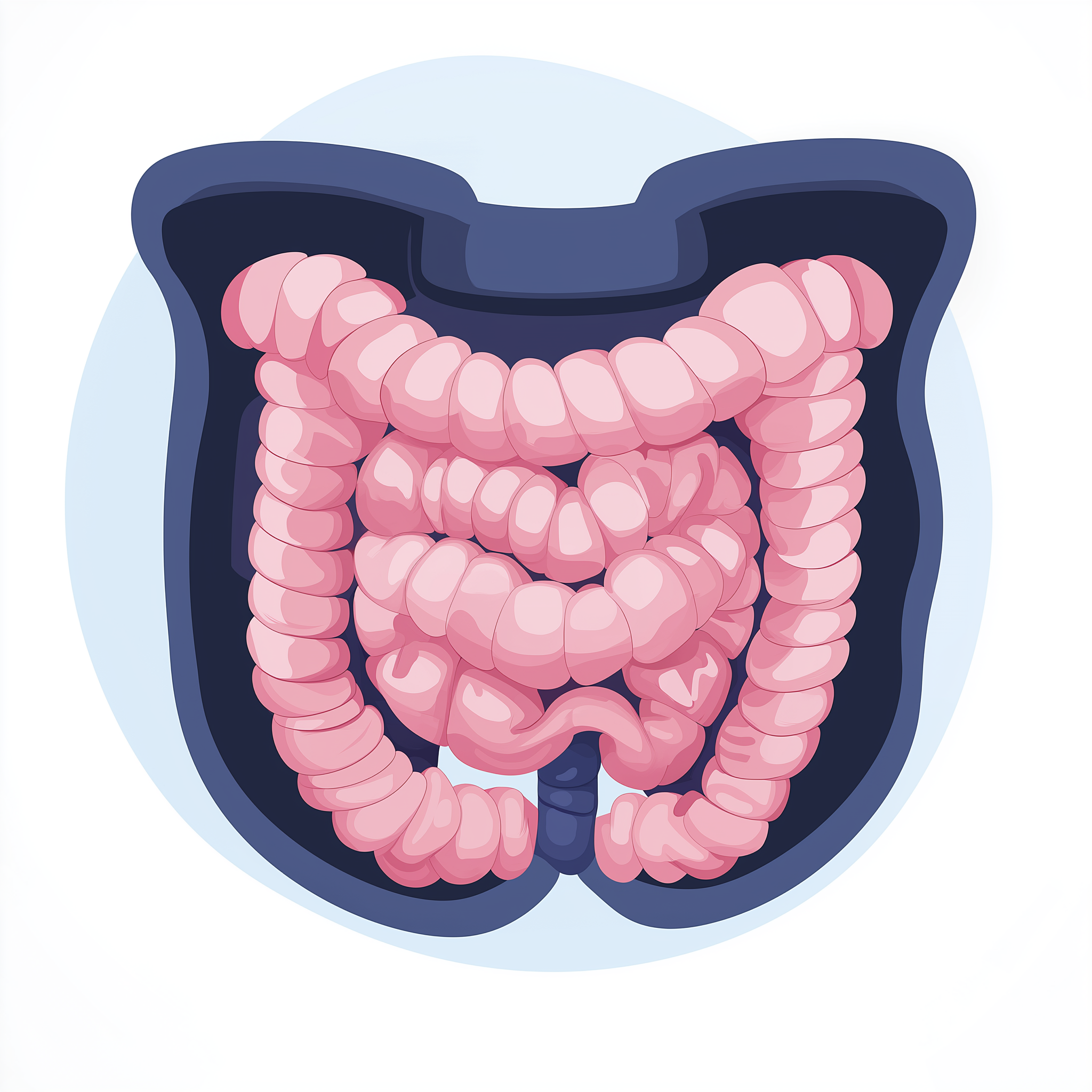
Colorectal cancer originates in the epithelial lining of the colon or rectum, which together form the large intestine. The disease typically arises from adenomatous polyps - small benign growths that can transform into malignancy over many years through the accumulation of genetic and epigenetic changes. Tumours may develop anywhere along the colorectal tract, though certain regions such as the sigmoid colon and rectum are more commonly affected. As the disease progresses locally, it can invade through the bowel wall into surrounding tissues, including the mesentery and adjacent organs. Metastatic spread most frequently involves the liver, given the venous drainage of the colon via the portal system, but lungs, peritoneum, and distant lymph nodes may also be affected in advanced stages. The site and extent of tumour involvement influence both symptom profile and treatment approach.

Risks & severity
Individuals with elevated polygenic risk scores for colorectal cancer have a modestly increased lifetime risk compared to the population average, though absolute risk remains lower than in monogenic hereditary syndromes. Research suggests that those in the top decile of polygenic risk may have roughly double the risk of individuals in the lowest decile, though effect sizes vary across populations and depend on the specific variants included in risk models. Age remains the strongest risk factor, with incidence rising markedly after age 50. Environmental factors such as red and processed meat consumption, smoking, obesity, physical inactivity, and excessive alcohol intake also substantially modify risk. Protective factors include dietary fibre, aspirin use in some contexts, and participation in screening programmes. The severity of colorectal cancer varies widely depending on stage at diagnosis. Tumours detected through screening or at early symptomatic stages (confined to the bowel wall) have five-year survival rates exceeding 90%, whereas metastatic disease carries a considerably poorer prognosis. Polygenic risk does not appear to predict tumour aggressiveness or stage at presentation, but may influence the age at which malignancy develops.
Genetic causes
Polygenic risk for colorectal cancer arises from the cumulative effect of common genetic variants at multiple loci, many of which lie near genes involved in cellular growth control, immune regulation, and epithelial biology. Among the genes implicated by genome-wide association studies are BMP4, GREM1, MYC, and SMAD7, each harbouring common variants associated with modest changes in risk. BMP4 encodes a secreted signalling molecule in the bone morphogenetic protein pathway, which regulates cell proliferation and differentiation in the colonic epithelium. GREM1 produces gremlin 1, an antagonist of BMP signalling; regulatory variants near GREM1 can alter expression levels, influencing epithelial homeostasis. MYC encodes a transcription factor central to cell cycle progression, and common variants in this region may subtly affect oncogenic potential. SMAD7 is a negative regulator of transforming growth factor-beta signalling, a pathway critical for controlling epithelial growth and inflammation. Common variants near or within these genes typically exert their effects by modulating gene expression rather than altering protein structure, and no single variant confers substantial risk in isolation. The interplay between these genetic influences and environmental exposures determines an individual's overall susceptibility. It is important to distinguish polygenic risk from rare pathogenic variants in high-penetrance genes, which cause hereditary colorectal cancer syndromes and follow Mendelian inheritance patterns.
Inheritance pattern
Polygenic risk does not follow traditional Mendelian inheritance because it reflects the aggregate contribution of many common variants distributed across the genome, each inherited independently according to the laws of segregation. An individual's polygenic risk score is determined by the particular combination of risk-increasing and risk-decreasing alleles they inherit from both parents. Because these variants are common in the general population, most people carry a mixture of risk alleles, and the overall risk is continuously distributed rather than segregating in families as dominant or recessive traits. Relatives of individuals with elevated polygenic risk scores may share some of the same risk alleles due to common ancestry, leading to modest familial clustering of colorectal cancer that does not conform to a clear inheritance pattern. Siblings, for example, will share approximately half of their polygenic risk alleles on average, but the exact combination differs between individuals. This differs fundamentally from hereditary cancer syndromes, where a single high-penetrance pathogenic variant is passed from parent to child with predictable risk patterns.
Diagnosis & testing
A diagnosis of colorectal cancer itself is established through colonoscopy with biopsy and histopathological examination, typically prompted by symptoms, screening findings, or family history. Assessment of polygenic risk, however, is not part of routine clinical practice in the NHS at present. Polygenic risk scores are calculated using genotyping arrays that interrogate hundreds of thousands or millions of genetic variants across the genome, combined with statistical models derived from large population studies. These scores are primarily used in research settings to stratify populations for screening trials or to explore gene-environment interactions. Clinical genetic testing for high-penetrance pathogenic variants in genes such as those causing Lynch syndrome or polyposis syndromes is indicated when family history or tumour characteristics suggest a hereditary cancer syndrome, and is accessed through NHS clinical genetics services under appropriate PanelApp R-codes. Referral to a genetic counsellor is recommended for individuals with a strong family history of colorectal cancer, multiple affected relatives, or early age of onset, to assess whether testing for Mendelian causes is warranted.
Management & lifestyle
Management of individuals at modestly elevated polygenic risk does not currently differ from standard NHS recommendations for colorectal cancer prevention and screening. The NHS Bowel Cancer Screening Programme invites all individuals aged 60 to 74 in England (56 in Scotland, 58 in Wales) for faecal immunochemical testing every two years, with colonoscopy offered to those with positive results. Research is ongoing to evaluate whether polygenic risk scores could inform more personalised screening strategies, such as earlier initiation or shorter intervals for higher-risk individuals, but this is not yet implemented in routine care. Lifestyle modifications that reduce colorectal cancer risk are advisable for everyone, particularly those with family history or elevated polygenic risk. These include maintaining a healthy weight, engaging in regular physical activity, limiting red and processed meat consumption, avoiding smoking, and moderating alcohol intake. Increasing dietary fibre through whole grains, fruits, and vegetables is associated with reduced risk. Aspirin use has demonstrated chemopreventive effects in some populations, but decisions about long-term aspirin therapy should be made in consultation with a GP, weighing cardiovascular benefits and bleeding risks. Individuals with a strong family history suggestive of a hereditary syndrome should be referred to clinical genetics for formal risk assessment and consideration of enhanced surveillance or testing for high-penetrance pathogenic variants.
UK care pathway
Access to NHS genetic services for colorectal cancer risk assessment is typically through GP or secondary care referral to a regional clinical genetics service. For individuals with suspected hereditary colorectal cancer syndromes, testing may be conducted using gene panels available through the NHS Genomic Medicine Service, guided by PanelApp diagnostic panels such as R210 (hereditary colorectal cancer) or R211 (polyposis syndromes). These pathways are designed for individuals whose personal or family history suggests a Mendelian cause, not for assessment of polygenic risk, which remains a research tool. Genetic counsellors play a central role in interpreting family history, explaining the distinction between high-penetrance pathogenic variants and polygenic susceptibility, and coordinating appropriate testing and surveillance. Individuals undergoing testing receive pre- and post-test genetic counselling to ensure informed decision-making and appropriate support. Standard NHS bowel cancer screening remains the primary preventive strategy for the general population, while those at high familial risk may be offered colonoscopic surveillance through gastroenterology services.
Frequently asked questions
Does polygenic risk for colorectal cancer mean I will definitely develop the disease?
No. Polygenic risk reflects a modest increase in likelihood based on common genetic variants, but most individuals with elevated scores will not develop colorectal cancer. Environmental factors, lifestyle choices, and chance all play important roles, and screening can detect early changes before cancer develops.
Should I have genetic testing if my parent had bowel cancer?
Standard polygenic risk testing is not currently available on the NHS. However, if you have multiple relatives affected by colorectal cancer, or a family member diagnosed at a young age, you may be eligible for testing for hereditary cancer syndromes through a referral to clinical genetics. Your GP can advise whether referral is appropriate based on your family history.
Can I reduce my risk of colorectal cancer through lifestyle changes?
Yes. Maintaining a healthy weight, staying physically active, eating a diet rich in fibre and low in red and processed meat, avoiding smoking, and limiting alcohol intake are all associated with lower colorectal cancer risk. Participation in NHS bowel screening is also crucial for early detection.
How does polygenic risk differ from Lynch syndrome or FAP?
Polygenic risk involves many common genetic variants, each with a small effect, and does not follow a clear inheritance pattern. Lynch syndrome and familial adenomatous polyposis are caused by single high-penetrance pathogenic variants that significantly increase risk and are inherited in families in a predictable way. Management strategies differ substantially between these conditions.
References
- Colorectal cancer. Nursing standard (Royal College of Nursing (Great Britain) : 1987). 2016. PMID: 26884013
- Lahiff C, East JE. Endoscopic approach to polyp recognition. Frontline gastroenterology. 2017. PMID: 28839893
- Almilaji O, Parry SD, Docherty S. Colorectal cancer and the blood loss paradox. Frontline gastroenterology. 2022. PMID: 36051962
- Rebeck ON, Wallace MJ, Prusa J. A yeast-based oral therapeutic delivers immune checkpoint inhibitors to reduce intestinal tumor burden. Cell chemical biology. 2025. PMID: 39571582
- Bennett K. Bowel Cancer UK. Nursing standard (Royal College of Nursing (Great Britain) : 1987). 2015. PMID: 25902237
- Sullivan BA, Qin X, Redding TS 4th. Colorectal Cancer Polygenic Risk Score Is Associated With Screening Colonoscopy Findings but Not Follow-Up Outcomes. Gastro hep advances. 2024. PMID: 39129957
- Leggett BA, Hewett DG. Colorectal cancer screening. Internal medicine journal. 2015. PMID: 25582937
- Peck J. Presentation, diagnosis and treatment of colorectal cancer. Nursing standard (Royal College of Nursing (Great Britain) : 1987). 2018. PMID: 29963788