

On this page
Congenital adrenal hyperplasia (21-hydroxylase)
This condition occurs when the body lacks a specific enzyme, 21-hydroxylase, essential for making hormones like cortisol. It can lead to various symptoms impacting physical development and body functions, often detected in infancy or childhood.
Available at Jeen Health
Clinical tests that include this
Overview
Congenital adrenal hyperplasia (CAH) due to 21-hydroxylase deficiency is an inherited condition that impacts the adrenal glands, two small glands located above the kidneys. These glands are responsible for producing several crucial hormones, including cortisol, aldosterone, and sex hormones (androgens and oestrogens). In this specific type of CAH, there is a deficiency in the enzyme 21-hydroxylase, which plays a key role in the production of cortisol and aldosterone [PMID:24078490].
Without enough 21-hydroxylase, the body cannot make sufficient amounts of these hormones. This leads to a build-up of precursor hormones, which are then diverted to produce an excess of androgens. The symptoms experienced depend on the severity of the enzyme deficiency and the resulting hormone imbalances. CAH due to 21-hydroxylase deficiency is the most common form of CAH, affecting approximately 1 in 10,000 to 15,000 live births.
Symptoms & clinical features
The symptoms of 21-hydroxylase deficient CAH can vary widely, from severe, life-threatening symptoms in infancy to milder forms that may not be noticed until later in life. The severe 'classical' forms are typically identified early. Girls with classical CAH may present with ambiguous genitalia at birth, meaning their external reproductive organs do not clearly look like either male or female [PMID:24078490]. Boys typically appear normal at birth.
Both boys and girls with classical CAH can experience a 'salt-wasting crisis' in the first few weeks of life. This is a medical emergency caused by very low levels of aldosterone, leading to dangerously low blood sodium, high potassium, dehydration, and low blood pressure. Other symptoms can include rapid growth during childhood but potentially shorter adult height, early signs of puberty, and acne. In milder 'non-classical' forms, symptoms often appear during childhood or adolescence and may include irregular periods or excessive hair growth in women, and early balding in men.
Video: Genetics 101
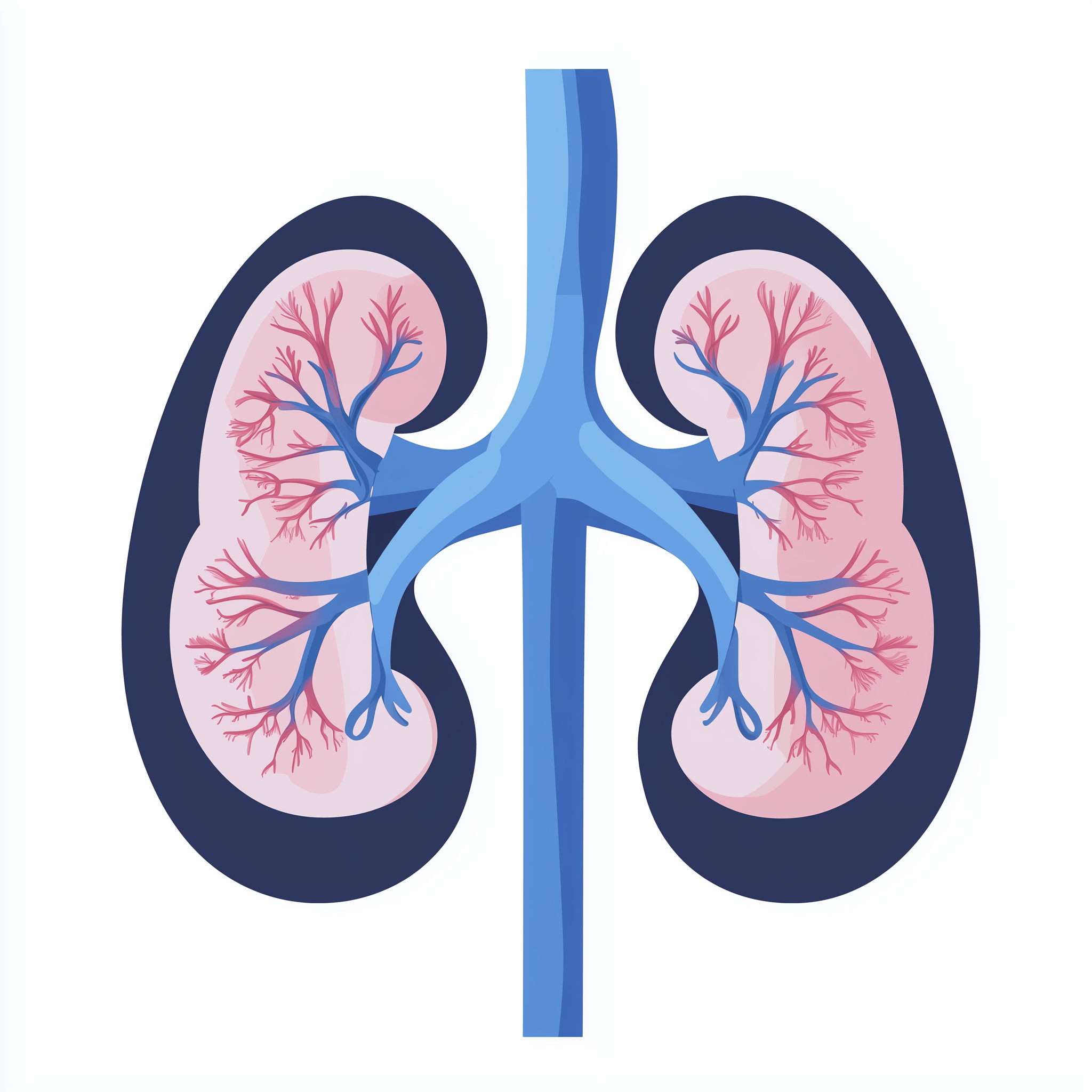
Affected organs
The primary organs affected in 21-hydroxylase deficient CAH are the adrenal glands. These glands are unable to produce adequate levels of vital steroid hormones such as cortisol and aldosterone, leading to a cascade of effects throughout the body. The deficiency results in an overproduction of other hormones, particularly androgens (male sex hormones), from the adrenal glands.
This hormonal imbalance can affect the reproductive system, leading to ambiguous genitalia in girls at birth. It can also impact growth plates in bones, causing accelerated bone age and potentially affecting adult height. The cardiovascular system can be affected during a salt-wasting crisis due to issues with blood pressure and electrolyte balance. Various other body systems can also be indirectly affected by the chronic hormonal imbalances.

Risks & severity
The severity of 21-hydroxylase deficient CAH ranges from severe, potentially life-threatening forms to milder presentations. The classical forms, including 'salt-wasting' and 'simple virilising,' carry significant risks if not managed appropriately. Salt-wasting crises, which can occur in severely affected infants, require urgent medical attention as they can be fatal due to extreme electrolyte imbalances [PMID:24078490].
Long-term risks in classical CAH include issues with growth and development, fertility challenges, and the need for lifelong hormone replacement therapy. In the milder 'non-classical' form, symptoms are less severe and typically do not involve salt-wasting crises. While not life-threatening, non-classical CAH can still lead to reproductive issues, acne, and excessive hair growth if left untreated.
Genetic causes
Congenital adrenal hyperplasia due to 21-hydroxylase deficiency is caused by pathogenic variants in the CYP21A2 gene. This gene provides instructions for making the 21-hydroxylase enzyme. This enzyme is crucial for the adrenal glands to produce the hormones cortisol and aldosterone [PMID:33671271]. Cortisol helps the body respond to stress, regulate metabolism, and control blood pressure, while aldosterone helps regulate salt and water balance.
When there are changes in the CYP21A2 gene, the 21-hydroxylase enzyme either doesn't work correctly or is produced in insufficient amounts. This enzyme deficiency disrupts the normal hormone production pathway. Instead of making cortisol and aldosterone, the adrenal glands are stimulated to produce an excess of other hormones, particularly androgens. The specific type and location of the genetic change in CYP21A2 determine the residual enzyme activity and, consequently, the severity of the condition.
- CYP21A2 cytochrome P450 family 21 subfamily A member 2The CYP21A2 gene encodes the 21-hydroxylase enzyme, vital for producing essential adrenal hormones such as cortisol and aldosterone, which regulate stress response, blood sugar, and fluid balance.
Inheritance pattern
21-hydroxylase deficient CAH is inherited in an autosomal recessive pattern. This means that an individual must inherit two copies of a pathogenic variant in the CYP21A2 gene - one from each parent - to develop the condition. If a person inherits only one pathogenic variant and one functioning copy of the gene, they are considered a carrier. Carriers typically do not show symptoms of the condition themselves [PMID:30129202].
For parents who are both carriers of a CYP21A2 pathogenic variant, there is a 25% chance with each pregnancy that their child will inherit two affected copies and develop 21-hydroxylase deficient CAH. There is a 50% chance the child will be a carrier, and a 25% chance the child will inherit two functioning copies of the gene and not be affected or a carrier.
When both parents are carriers, each child has a 25% chance of being affected, 50% of being a carrier, and 25% of being unaffected.
Diagnosis & testing
Diagnosis of 21-hydroxylase deficient CAH often begins with newborn screening programmes in the UK, which check for elevated levels of a hormone precursor called 17-hydroxyprogesterone (17-OHP) in a blood spot sample. This screening helps to identify affected infants early, especially those with classical forms, allowing for prompt treatment to prevent salt-wasting crises.
If newborn screening results are abnormal or if clinical symptoms suggest CAH, further tests are carried out. These include blood tests to measure specific hormones and electrolytes. A definitive diagnosis is typically confirmed through genetic testing of the CYP21A2 gene, which can identify the pathogenic variants. Referrals for genetic testing and counselling are usually made through a paediatrician, endocrinologist, or clinical geneticist, aligning with NHS Genomic Medicine Service pathways (R-codes, e.g., R146 Congenital adrenal hyperplasia).
Management & lifestyle
Management of 21-hydroxylase deficient CAH focuses on replacing the deficient hormones and managing the symptoms caused by excess androgens. This typically involves lifelong hormone replacement therapy with glucocorticoids (to replace cortisol) and, for those with salt-wasting CAH, mineralocorticoids (to replace aldosterone) [PMID:33671271]. Regular monitoring of hormone levels and growth is important to ensure optimal treatment.
Individuals with CAH will be followed by a multidisciplinary team, often including a paediatric endocrinologist or adult endocrinologist, genetic counsellor, and specialist nurses. Surveillance at regular intervals helps adjust medication dosages and address any emerging complications. Genetic counselling is offered to affected individuals and their families to discuss inheritance patterns, reproductive risks, and support options.
UK care pathway
In the UK, suspected cases of congenital adrenal hyperplasia due to 21-hydroxylase deficiency are typically investigated within the NHS Genomic Medicine Service. Following initial screening or clinical suspicion, individuals are referred to specialist endocrinology services, often paediatric endocrinology for children, for further assessment. Confirmation of diagnosis will frequently involve genetic testing, guided by genomic testing R-codes such as R146 for Congenital adrenal hyperplasia.
Clinical genetics teams and genetic counsellors play a vital role in explaining the genetic basis of the condition, inheritance patterns, and implications for family members. They provide support and help navigate the genomic testing pathway, ensuring access to appropriate management and surveillance strategies.
Frequently asked questions
What is a 'salt-wasting crisis'?
A salt-wasting crisis is a severe medical emergency that can occur in infants with the most severe form of CAH. It happens when the body cannot produce enough aldosterone, a hormone that regulates salt and water. This leads to dangerous dehydration, very low blood sodium, high potassium, and low blood pressure, requiring immediate treatment.
Can individuals with CAH have children?
Fertility can be affected in individuals with CAH, particularly in classical forms. However, with appropriate and consistent management, many individuals with CAH are able to have children. Open communication with healthcare providers, especially endocrinologists, is important for fertility planning and support.
Do all people with 21-hydroxylase deficient CAH have ambiguous genitalia?
No, not all individuals with 21-hydroxylase deficient CAH have ambiguous genitalia. This feature is primarily seen in girls with classical forms of the condition at birth. Boys with even severe classical CAH typically have normal external genitalia. Individuals with the milder non-classical form usually do not have ambiguous genitalia.
Is newborn screening for CAH available in the UK?
Yes, newborn screening for 21-hydroxylase deficient CAH is part of the routine newborn blood spot screening programme in the UK. This allows for early detection and intervention, which is crucial for preventing severe complications like salt-wasting crises.
Will I need to take medication lifelong?
For most individuals with 21-hydroxylase deficient CAH, particularly the classical forms, lifelong hormone replacement therapy is necessary. This involves taking medication to replace the hormones that the adrenal glands cannot produce sufficiently, such as cortisol, and sometimes aldosterone. Regular medical review helps ensure the correct dosage.
References
- Hughes IA. Congenital adrenal hyperplasia: 21-hydroxylase deficiency in the newborn and during infancy. Seminars in reproductive medicine. 2002. PMID: 12428203
- Pignatelli D, Carvalho BL, Palmeiro A. The Complexities in Genotyping of Congenital Adrenal Hyperplasia: 21-Hydroxylase Deficiency. Frontiers in endocrinology. 2019. PMID: 31333583
- Wedell A. Molecular genetics of congenital adrenal hyperplasia (21-hydroxylase deficiency): implications for diagnosis, prognosis and treatment. Acta paediatrica (Oslo, Norway : 1992). 1998. PMID: 9512201
- Nimkarn S, Cerame BI, Wei JQ. Congenital adrenal hyperplasia (21-hydroxylase deficiency) without demonstrable genetic mutations. The Journal of clinical endocrinology and metabolism. 1999. PMID: 9920112
- Speiser PW, Laforgia N, Kato K. First trimester prenatal treatment and molecular genetic diagnosis of congenital adrenal hyperplasia (21-hydroxylase deficiency). The Journal of clinical endocrinology and metabolism. 1990. PMID: 1969421
- Roche EF, Charmandari E, Dattani MT. Blood pressure in children and adolescents with congenital adrenal hyperplasia (21-hydroxylase deficiency): a preliminary report. Clinical endocrinology. 2003. PMID: 12699440
- Lorenzen F, Pang S, New MI. Hormonal phenotype and HLA-genotype in families of patients with congenital adrenal hyperplasia (21-hydroxylase deficiency). Pediatric research. 1979. PMID: 230448
- Keen-Kim D, Redman JB, Alanes RU. Validation and clinical application of a locus-specific polymerase chain reaction- and minisequencing-based assay for congenital adrenal hyperplasia (21-hydroxylase deficiency). The Journal of molecular diagnostics : JMD. 2005. PMID: 15858147