

On this page
Crigler-Najjar syndrome type I
This syndrome is caused by genetic changes in the UGT1A1 gene, leading to a near-complete absence of an enzyme vital for processing bilirubin. This results in dangerously high levels of unprocessed bilirubin, particularly affecting new-borns and infants.
Available at Jeen Health
Clinical tests that include this
Overview
Crigler-Najjar syndrome type I (CNSI) is a rare inherited disorder that prevents the body from effectively processing a substance called bilirubin. Bilirubin is a yellow pigment produced when red blood cells break down. Normally, an enzyme in the liver modifies bilirubin so it can be removed from the body. In CNSI, this enzyme is severely deficient, leading to a build-up of unconjugated (unprocessed) bilirubin, which can be toxic.
This build-up causes persistent, severe jaundice, typically noticeable at or shortly after birth. Without proper management, the high levels of bilirubin can cross into the brain, causing a serious complication known as kernicterus, which can lead to significant neurological damage and can be life-threatening.
Symptoms & clinical features
The primary symptom of Crigler-Najjar syndrome type I is severe jaundice, characterised by yellowing of the skin and the whites of the eyes, which typically appears within the first few days of life. This jaundice is persistent and does not resolve on its own. Infants with CNSI often require intensive phototherapy (light therapy) almost continuously to help manage bilirubin levels.
If bilirubin levels become too high and are not adequately controlled, it can lead to neurological symptoms. These may include poor feeding, lethargy, decreased muscle tone, and a high-pitched cry in new-borns. As kernicterus progresses, children may experience developmental delays, hearing loss, problems with movement control, and seizures [PMID:17907187]. These neurological complications highlight the urgent need for early diagnosis and ongoing management.
Video: Genetics 101
Affected organs
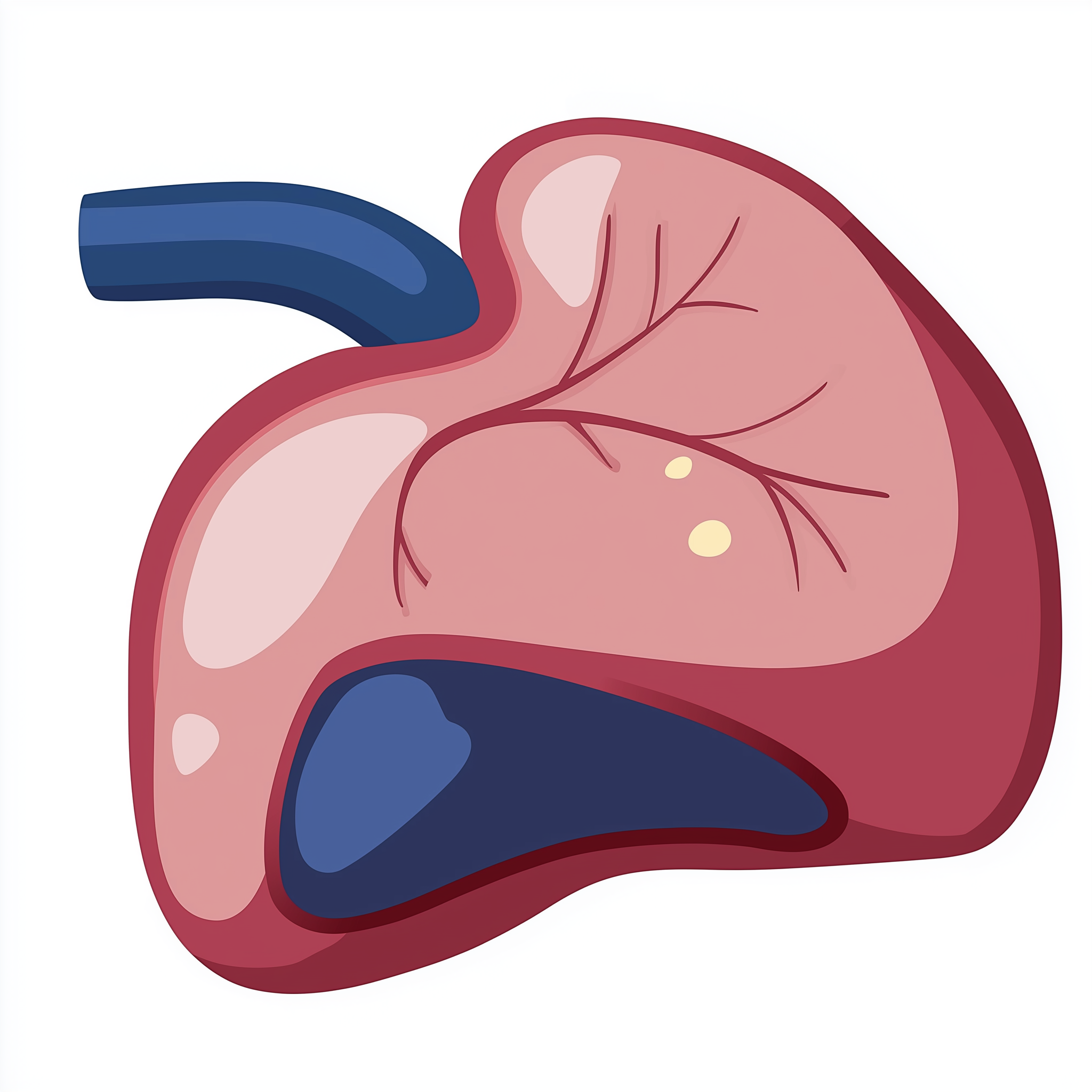
Crigler-Najjar syndrome type I primarily affects the liver, where the enzyme responsible for bilirubin processing (bilirubin-UGT) is produced. While the liver itself is generally structurally normal, its metabolic function regarding bilirubin is severely impaired.
The brain is the most vulnerable organ to the toxic effects of high unconjugated bilirubin levels. When bilirubin crosses the blood-brain barrier, it can accumulate in specific brain regions, leading to kernicterus. This can result in irreversible damage to brain cells, affecting motor function, hearing, and cognitive development.

Risks & severity
Crigler-Najjar syndrome type I is considered a severe condition from birth. The main risk associated with CNSI is the development of kernicterus, which can lead to permanent neurological impairment or prove fatal if not properly managed [PMID:33678082]. The lifetime risk of neurological damage is very high without consistent and intensive treatment.
While the exact prevalence is not well established, CNSI is a very rare disorder. The severity of the condition means that affected individuals require lifelong medical attention. Even with treatment, there is always a risk of acute bilirubin encephalopathy if bilirubin levels are not kept within a safe range, for instance, during periods of illness or stress.
Genetic causes
Crigler-Najjar syndrome type I is caused by pathogenic variants in the UGT1A1 gene. This gene provides instructions for making an enzyme known as bilirubin UDP-glucuronosyltransferase (bilirubin-UGT) [PMID:17907187]. This enzyme is crucial for a process called glucuronidation, which converts unconjugated bilirubin into a water-soluble form (conjugated bilirubin) that can be easily excreted from the body via bile.
In individuals with CNSI, the genetic changes in UGT1A1 typically lead to a near-complete absence or complete inactivity of the bilirubin-UGT enzyme. This severe deficiency prevents the liver from effectively processing bilirubin, causing it to accumulate to toxic levels in the blood. Other conditions, such as Gilbert syndrome and Crigler-Najjar syndrome type II, involve less severe reductions in UGT1A1 enzyme activity.
- UGT1A1 UDP glucuronosyltransferase family 1 member A1UGT1A1 encodes the only enzyme capable of converting toxic bilirubin into a form the body can safely eliminate, with variants affecting bilirubin metabolism and drug processing.
Inheritance pattern
Crigler-Najjar syndrome type I is inherited in an autosomal recessive pattern. This means that a person must inherit two altered copies of the UGT1A1 gene- one from each parent- to develop the condition. Individuals who inherit only one altered copy are carriers; they typically do not show symptoms of CNSI but can pass the altered gene on to their children.
If both parents are carriers of a pathogenic UGT1A1 variant, for each pregnancy, there is a 25% (1 in 4) chance their child will inherit two altered copies and be affected by CNSI. There is a 50% (2 in 4) chance their child will be a carrier like them, and a 25% (1 in 4) chance their child will inherit two normal copies of the gene and not be affected or a carrier.
When both parents are carriers, each child has a 25% chance of being affected, 50% of being a carrier, and 25% of being unaffected.
Diagnosis & testing
Diagnosis of Crigler-Najjar syndrome type I is usually suspected in new-borns or infants presenting with severe and persistent unconjugated hyperbilirubinaemia (high levels of unprocessed bilirubin) that does not respond adequately to conventional phototherapy. Blood tests will show significantly elevated unconjugated bilirubin levels, while conjugated bilirubin levels remain very low or undetectable.
Confirmation of the diagnosis involves genetic testing to identify pathogenic variants in the UGT1A1 gene. This can be performed through the NHS Genomic Medicine Service (GMS) after referral to a clinical genetics service [PMID:33678082]. The relevant NHS National Genomic Test Directory R-code for Crigler-Najjar syndrome is typically R98, which covers inherited disorders of bilirubin metabolism. Genetic counselling is often offered to families for testing and to discuss inheritance patterns and family planning.
Management & lifestyle
The primary goal of managing Crigler-Najjar syndrome type I is to prevent kernicterus by keeping bilirubin levels as low as possible. This typically involves intensive and continuous phototherapy, especially during infancy and childhood, often for 10-12 hours daily, using special blue lights to help break down bilirubin in the skin. Some individuals may benefit from home phototherapy units.
In some cases, a liver transplant may be considered as a definitive treatment, as it replaces the deficient enzyme-producing liver with one that can correctly process bilirubin [PMID:33678082]. This is a major surgical procedure with associated risks and is usually reserved for individuals who are not adequately managed by phototherapy or who develop signs of neurological damage. Ongoing monitoring of bilirubin levels and neurological development is crucial, and a multidisciplinary team approach involving paediatricians, hepatologists, neurologists, and genetic counsellors is essential for comprehensive care.
UK care pathway
In the UK, suspected cases of Crigler-Najjar syndrome type I would typically follow a pathway within the NHS Genomic Medicine Service. If a medical professional suspects CNSI based on clinical signs and initial blood tests, they would generally refer to a paediatric specialist and then to a clinical genetics service. Genetic testing, typically under NHS R-code R98 for inherited disorders of bilirubin metabolism, can confirm the diagnosis.
Following diagnosis, families will have access to genetic counselling, which provides information on the condition, inheritance, and support. Management plans are developed in conjunction with specialist paediatric services, often involving tertiary centres with expertise in inherited metabolic disorders and liver conditions.
Frequently asked questions
What is the difference between Crigler-Najjar syndrome type I and type II?
Crigler-Najjar syndrome type I is more severe because the UGT1A1 enzyme is almost completely inactive. This leads to very high bilirubin levels and requires intensive phototherapy. Type II is less severe, with some residual enzyme activity, so bilirubin levels are lower and often respond to medication like phenobarbital, which is not effective for type I.
Can Crigler-Najjar syndrome type I be cured?
Currently, the only definitive treatment that addresses the underlying enzyme deficiency is a liver transplant. This replaces the affected liver with a healthy one that can produce the functional enzyme. Phototherapy manages the symptoms by reducing bilirubin levels but does not cure the condition.
What are the long-term outlooks for someone with Crigler-Najjar syndrome type I?
With consistent and intensive management, including lifelong phototherapy and sometimes liver transplantation, individuals with CNSI can have a good quality of life. However, there is always a risk of neurological damage if bilirubin levels are not well controlled, requiring careful monitoring and adherence to treatment plans.
How is Crigler-Najjar syndrome type I diagnosed in new-borns?
Diagnosis is suspected when a new-born has severe and persistent jaundice that does not improve with standard treatments. Blood tests will show very high levels of unconjugated bilirubin, and the diagnosis is confirmed by genetic testing to identify specific changes in the UGT1A1 gene.
Are there any lifestyle recommendations for managing Crigler-Najjar syndrome type I?
While specific dietary changes aren't a primary treatment, it's essential to avoid anything that might increase bilirubin levels, such as dehydration or prolonged fasting. Individuals with CNSI need to strictly follow their prescribed phototherapy regimen and attend all medical appointments to monitor their condition and adjust treatment as needed.
References
- Fox IJ, Chowdhury JR. Hepatocyte transplantation. American journal of transplantation : official journal of the American Society of Transplantation and the American Society of Transplant Surgeons. 2004. PMID: 14871269
- Shi X, Bortolussi G, Collaud F. Repeated dosing of AAV-mediated liver gene therapy in juvenile rat and mouse models of Crigler-Najjar syndrome type I. Molecular therapy. Methods & clinical development. 2024. PMID: 39618425
- Al-Shurafa HA, Bassas AF, Broering DC. Management of Crigler-Najjar Syndrome type I. Saudi medical journal. 2001. PMID: 11426237
- Shevell MI, Majnemer A, Schiff D. Neurologic perspectives of Crigler-Najjar syndrome type I. Journal of child neurology. 1998. PMID: 9660509
- Abdellaoui N, Abdelmoula B, Abdelhedi R. Novel combined UGT1A1 mutations in Crigler Najjar Syndrome type I. Journal of clinical laboratory analysis. 2022. PMID: 35527687
- Fard EN, Yasari AA, Sharafeldin A. Crigler-Najjar Syndrome (Type 1) - A Case Report and Review of Literature. Annals of African medicine. 2026. PMID: 42389952
- Alnaghy E, Taman S, Abdelhalim E. The added value of brain MR spectroscopy in children with Crigler-Najjar syndrome type-I: correlation with demographic, neurodevelopmental, and laboratory findings. The British journal of radiology. 2023. PMID: 36809151
- Mitchell E, Ranganathan S, McKiernan P. Hepatic Parenchymal Injury in Crigler-Najjar Type I. Journal of pediatric gastroenterology and nutrition. 2018. PMID: 29176474