

On this page
Dent disease
This condition primarily affects males and results from variants in genes that regulate kidney tubule function. Affected individuals develop abnormal protein excretion in the urine, may form kidney stones, and face an increased risk of chronic kidney disease over time.
Available at Jeen Health
Clinical tests that include this
Overview
Dent disease represents a group of inherited kidney tubule disorders that disrupt the kidney's ability to reabsorb essential nutrients and proteins back into the bloodstream. Affected individuals pass abnormally high amounts of low-molecular-weight proteins into their urine, a laboratory finding that reflects impaired tubular function. The filtering units in the kidneys fail to reclaim these proteins efficiently, leading to continuous urinary losses.
The condition is rare, though exact prevalence figures in the UK are not well established. Males are predominantly affected due to the inheritance pattern, whilst females who carry pathogenic variants typically show milder features or remain unaffected. Early recognition allows healthcare teams to monitor for complications and intervene when necessary, as progressive kidney damage can develop over time.
Symptoms & clinical features
The clinical picture of Dent disease varies considerably between individuals, but certain features appear consistently. Low-molecular-weight proteinuria is usually the first laboratory finding, often detected during routine urine tests. Many affected boys also develop hypercalciuria, meaning they excrete excessive calcium in their urine, which predisposes them to kidney stone formation. Stone episodes may occur, and some individuals experience recurrent problems.
Some people with Dent disease develop nephrocalcinosis, where calcium deposits accumulate within kidney tissue itself, visible on ultrasound or CT imaging. Additional features can include rickets or weakened bones due to abnormal phosphate handling, short stature, and muscle weakness. Progressive decline in kidney function typically becomes apparent during adolescence or early adulthood, though the rate of deterioration varies widely between affected individuals.
Video: Genetics 101
Affected organs
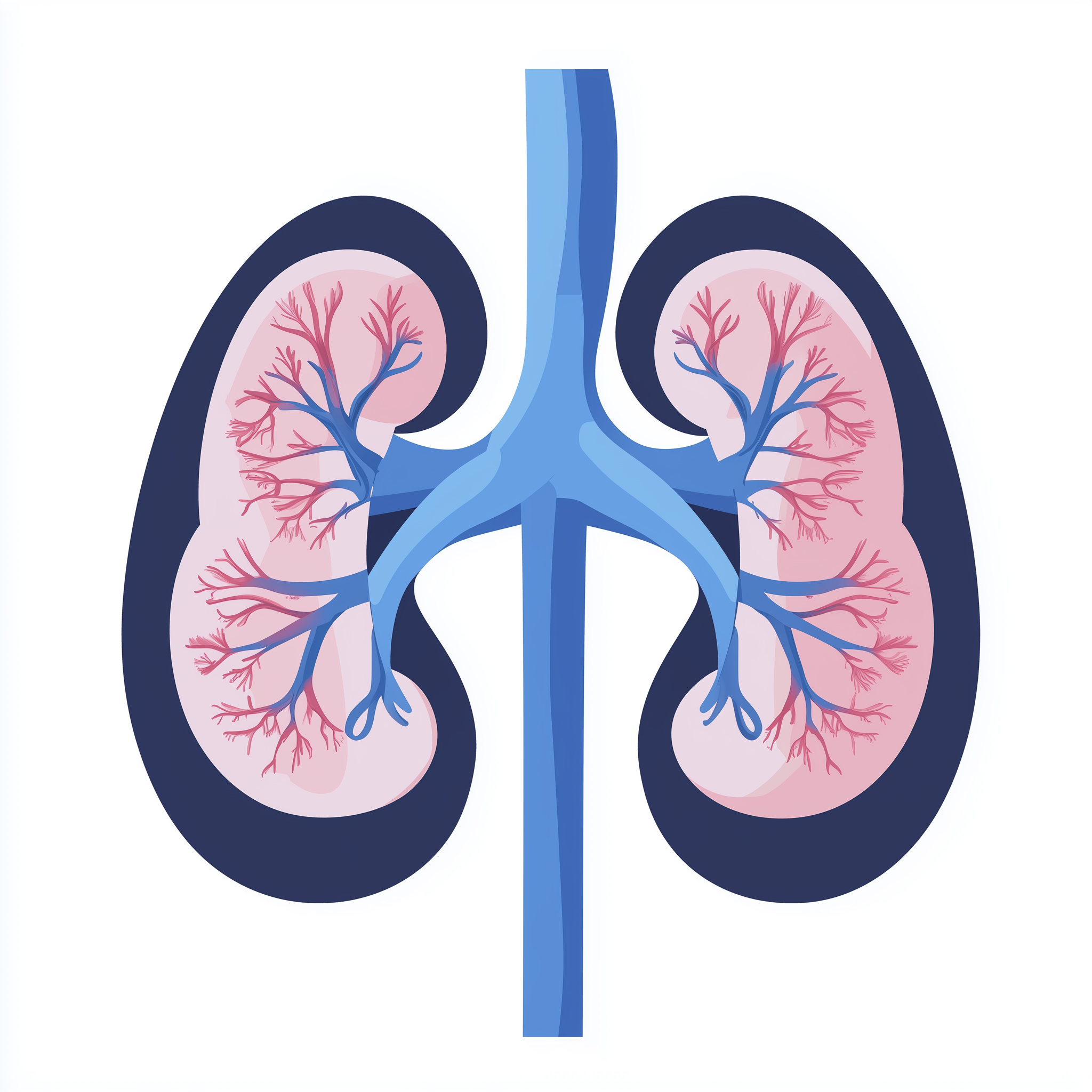
The kidneys bear the primary impact of Dent disease, specifically the proximal tubules where much of the kidney's reabsorption work occurs. These tubular cells normally reclaim filtered proteins, calcium, phosphate, and other nutrients from the urine as it forms. When tubule function is impaired, these substances are lost inappropriately.
Bone health can also suffer secondary to the kidney dysfunction. Abnormal phosphate and calcium handling may lead to rickets in growing children or osteomalacia in adults, both conditions involving inadequate bone mineralisation. Whilst the kidneys and bones show the most consistent involvement, the underlying genetic defects can occasionally affect other tissues, though kidney manifestations dominate the clinical picture.

Risks & severity
Disease severity spans a broad spectrum. Some affected males experience more rapid progression of kidney dysfunction, whilst others show slower deterioration over time. Kidney stones and nephrocalcinosis are common features that can accelerate kidney damage. The risk of progressing to end-stage kidney disease is substantial, with many affected men eventually requiring renal replacement therapy, though the timing varies considerably.
Females who carry a pathogenic variant in one of the causative genes generally experience much milder disease or no symptoms at all, though some may show low-grade proteinuria or occasional kidney stones. Their risk of significant kidney impairment is considerably lower than that faced by affected males. Age of onset for kidney complications typically occurs during childhood or adolescence, but individual trajectories differ based on the specific genetic variant and factors not yet fully understood.
Genetic causes
Dent disease arises from pathogenic variants in genes crucial for kidney tubule function. The CLCN5 gene encodes a protein responsible for moving chloride and hydrogen ions in opposite directions across membranes within proximal tubule cells. This transport activity is vital for maintaining proper acidity inside cellular compartments called endosomes, which in turn enables efficient protein recovery from the filtrate. When CLCN5 harbours pathogenic variants, the resulting dysfunction compromises the cell's capacity to retrieve filtered proteins, producing the proteinuria and additional tubular abnormalities characteristic of Dent disease type 1.
Pathogenic changes in a second gene, OCRL, cause Dent disease type 2 with overlapping kidney features. OCRL encodes an enzyme that modifies phospholipids within cell membranes, supporting proper membrane trafficking and receptor function. Both genes sit on the X chromosome, accounting for the X-linked inheritance observed in families. Regardless of which gene is affected, loss of normal protein activity derails endocytic pathways and receptor recycling in proximal tubule cells, ultimately manifesting as tubular dysfunction, proteinuria, and advancing kidney injury.
- CLCN5 Cl-/H+ antiporter 5The CLCN5 gene provides instructions for making a protein that plays a vital role in kidney function, specifically in reabsorbing proteins and other substances within the renal tubules.
- OCRL OCRL inositol polyphosphate-5-phosphataseThe OCRL gene provides instructions for an enzyme critical in cell membrane phospholipid modification, endocytosis, and kidney function, with pathogenic variants linked to conditions like Lowe syndrome and Dent disease 2.
Inheritance pattern
Dent disease follows an X-linked recessive inheritance pattern because both CLCN5 and OCRL reside on the X chromosome. Males have only one X chromosome, so a single pathogenic variant is sufficient to cause the full condition. Females have two X chromosomes, and typically the presence of one functional copy compensates for the variant on the other chromosome, meaning they usually do not develop significant disease themselves.
A woman who carries a pathogenic variant has a 50 per cent chance of passing it to each child. Sons who inherit the variant will be affected, whilst daughters who inherit it will themselves be carriers. Affected males cannot pass the condition to their sons, since sons receive only the father's Y chromosome, but all daughters of an affected male will be carriers. Genetic counselling helps families understand these risks and consider testing options for relatives.
When both parents are carriers, each child has a 25% chance of being affected, 50% of being a carrier, and 25% of being unaffected.
Diagnosis & testing
Diagnosis of Dent disease typically begins when routine urine tests reveal proteinuria, especially low-molecular-weight proteinuria. Additional urine and blood tests may show hypercalciuria, elevated urinary phosphate, or low serum phosphate. Imaging studies such as kidney ultrasound can identify nephrocalcinosis or structural abnormalities.
Confirmation requires genetic testing to identify pathogenic variants in CLCN5 or OCRL. This testing is usually arranged through a clinical genetics service following referral from a paediatric nephrologist or renal physician. Genetic testing is available through NHS clinical genetics services, and genetic counsellors support families through the testing process, interpretation of results, and discussion of implications for relatives who may wish to pursue predictive or carrier testing.
Management & lifestyle
Management of Dent disease focuses on monitoring kidney function, preventing complications, and slowing progression of kidney damage. Regular urine tests track proteinuria and calciuria, whilst blood tests assess kidney function, electrolytes, and bone health markers. Imaging may be repeated periodically to monitor for kidney stones or nephrocalcinosis.
Thiazide diuretics are sometimes used to reduce urinary calcium excretion and decrease stone formation, though evidence for their long-term benefit in Dent disease specifically is limited. Ensuring adequate hydration helps dilute the urine and may reduce stone risk. If rickets or bone disease develops, vitamin D and phosphate supplementation may be needed under specialist supervision. As kidney function declines, nephrology teams provide increasingly intensive support, managing blood pressure, anaemia, and electrolyte disturbances. Some individuals eventually require dialysis or kidney transplantation, and early discussion about these options allows for timely planning. Lifestyle measures include maintaining good hydration and avoiding excessive dietary sodium, though no specific diet has been proven to alter disease course substantially.
UK care pathway
Within the NHS, individuals suspected of having Dent disease are typically referred to paediatric or adult nephrology services depending on age at presentation. Nephrologists may then refer onward to clinical genetics if genetic confirmation is needed. Genetic testing is available through NHS clinical genetics services. Genetic counsellors play a key role in explaining test results, discussing recurrence risks for family members, and coordinating cascade testing when appropriate.
Ongoing care is shared between nephrology and genetics teams. Nephrologists monitor kidney function and manage medical complications, whilst genetic services provide support for family planning decisions and testing of at-risk relatives. Multidisciplinary input may include dietitians, bone health specialists, and transplant teams as disease progresses. Patient support organisations can also provide valuable information and peer connections for families navigating this rare condition.
Frequently asked questions
Will my son definitely need a kidney transplant?
Not all males with Dent disease progress to end-stage kidney failure, though many do eventually require dialysis or transplantation. The rate of kidney function decline varies considerably between individuals. Regular monitoring allows your nephrology team to track progression and plan ahead.
Can anything slow down the kidney damage?
Whilst no treatment reverses the underlying genetic cause, measures such as maintaining good hydration, managing blood pressure, and sometimes using thiazide diuretics to reduce urinary calcium may help. Your nephrologist will tailor recommendations based on your specific situation and monitor their effectiveness over time.
I am a female carrier - will I develop kidney problems?
Most female carriers of CLCN5 or OCRL variants remain healthy or have only mild features such as slight proteinuria. Serious kidney complications are uncommon in carrier women, though occasional cases occur. Your GP or nephrologist can arrange baseline kidney function tests and periodic monitoring if you have concerns.
Should other family members be tested?
If a pathogenic variant has been identified in your family, relatives may wish to consider testing to clarify their own status or carrier risk. This is particularly relevant for women planning pregnancies or for male relatives who might benefit from early monitoring. Genetic counsellors can discuss these options and arrange testing through the NHS clinical genetics service.
What is the difference between Dent disease type 1 and type 2?
Dent disease type 1 is caused by variants in CLCN5, whilst type 2 results from variants in OCRL. Both types present with similar kidney features including proteinuria, hypercalciuria, and progressive kidney dysfunction. Genetic testing identifies which gene is affected, which can be helpful for genetic counselling and family planning.
References
- Foreman JW. Fanconi Syndrome. Pediatric clinics of North America. 2019. PMID: 30454741
- Bökenkamp A, Ariceta G, Böckenhauer D. Dent disease: clinical practice recommendations. Nephrology, dialysis, transplantation : official publication of the European Dialysis and Transplant Association - European Renal Association. 2025. PMID: 39794284
- Devuyst O, Thakker RV. Dent's disease. Orphanet journal of rare diseases. 2010. PMID: 20946626
- Adam MP, Bick S, Mirzaa GM. Dent Disease. 1993. PMID: 22876375
- Scheinman SJ. Nephrolithiasis. Seminars in nephrology. 1999. PMID: 10435676
- Cogal AG, Arroyo J, Shah RJ. Comprehensive Genetic Analysis Reveals Complexity of Monogenic Urinary Stone Disease. Kidney international reports. 2021. PMID: 34805638
- Albuquerque ALB, Dos Santos Borges R, Conegundes AF. Inherited Fanconi syndrome. World journal of pediatrics : WJP. 2023. PMID: 36729281
- Jin YY, Huang LM, Quan XF. Dent disease: classification, heterogeneity and diagnosis. World journal of pediatrics : WJP. 2021. PMID: 32248351