

On this page
Medullary cystic kidney disease (MUC1)
This inherited disorder primarily affects the kidneys, causing cysts and eventual chronic kidney disease. It typically manifests in adulthood and can lead to kidney failure, requiring dialysis or transplantation.
Overview
Medullary cystic kidney disease type 1 (MCKD1) is a rare inherited disorder that primarily affects the kidneys. It is characterised by the gradual formation of small, fluid-filled sacs, known as cysts, deep within the kidney tissue, specifically in the medulla [PMID:15602562]. These cysts are often too small to be seen early on but gradually disrupt normal kidney function. Over time, this damage leads to chronic kidney disease (CKD), where the kidneys lose their ability to filter waste products from the blood effectively.
Symptoms & clinical features
Individuals with medullary cystic kidney disease type 1 often do not experience noticeable symptoms in the early stages. The disease typically progresses slowly over many years. When symptoms do appear, they are usually related to the kidneys' diminishing ability to function properly. Common signs can include increased urination, particularly at night, and excessive thirst, as the kidneys struggle to concentrate urine [PMID:19468087].
As kidney function declines further, individuals may develop symptoms associated with chronic kidney disease, such as fatigue, loss of appetite, nausea, and swelling in the legs or around the eyes. High blood pressure is also a common complication. These symptoms generally emerge in adulthood, with kidney failure typically occurring between the ages of 30 and 70.
Video: Genetics 101
Affected organs
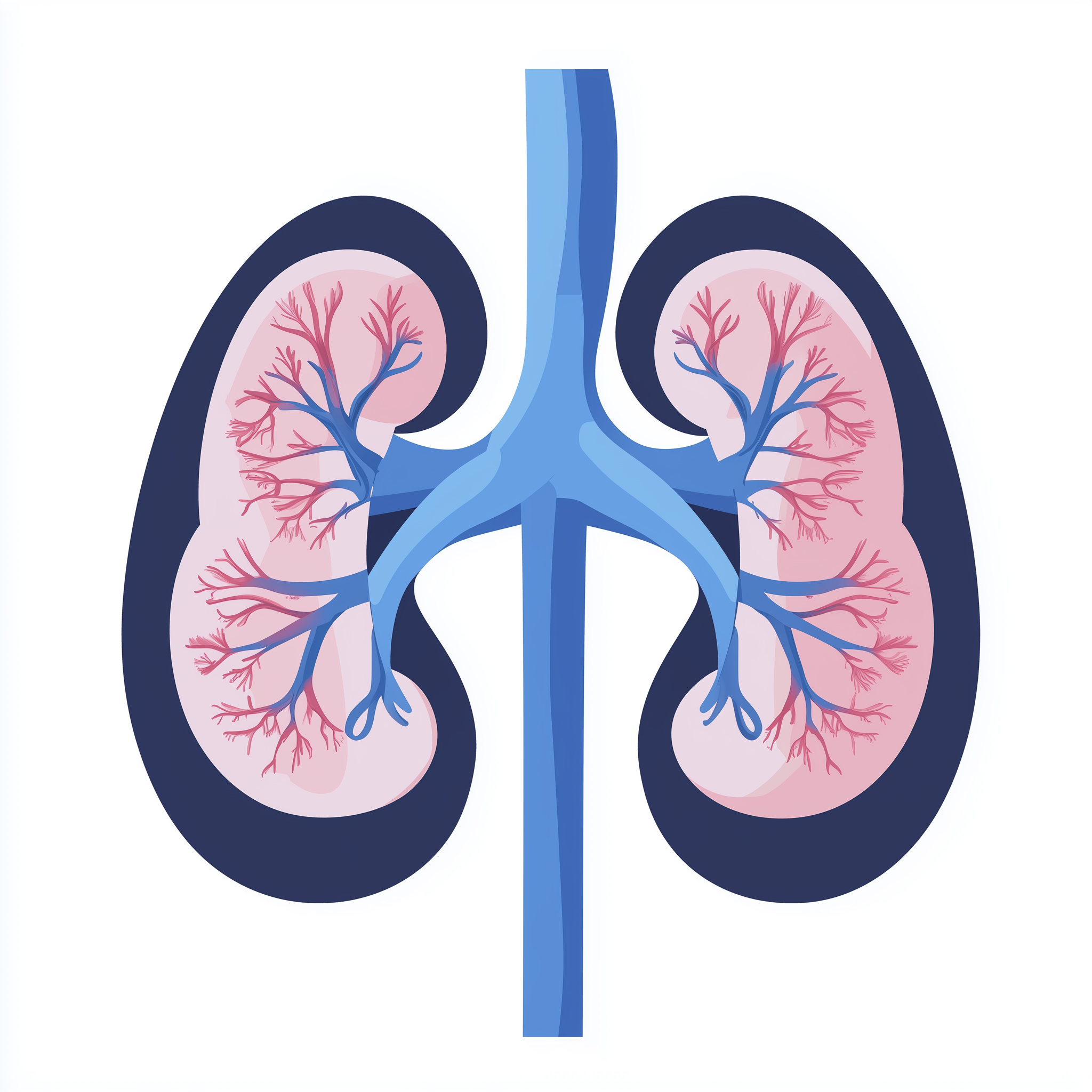
The primary organs affected in medullary cystic kidney disease type 1 are the kidneys. These two bean-shaped organs are vital for filtering waste from the blood, producing urine, and maintaining the body's fluid and electrolyte balance. In MCKD1, the formation of cysts and subsequent scarring (fibrosis) within the kidney's medulla progressively impairs these functions.

Risks & severity
Medullary cystic kidney disease type 1 is a progressive condition. The severity can vary, but it generally leads to end-stage renal disease (ESRD), requiring kidney replacement therapy such as dialysis or kidney transplantation. The age at which ESRD develops is variable, typically ranging from 30 to 70 years old, with an average age of onset around 50 years [PMID:19468087]. The exact prevalence of MCKD1 is not well established, but it is considered a rare disease.
Genetic causes
Medullary cystic kidney disease type 1 is caused by changes (pathogenic variants) in the MUC1 gene. The MUC1 gene provides instructions for making a protein called mucin-1. This protein is found on the surface of many cells, including those lining the kidney tubules, which are tiny structures responsible for filtering waste and reabsorbing essential substances.
The MUC1 protein is thought to play a role in protecting cells and maintaining kidney function. Pathogenic variants in MUC1 lead to the production of an abnormal, truncated (shortened) version of the MUC1 protein. This abnormal protein accumulates within the kidney cells, triggering a cascade of events that includes inflammation, cell damage, and the formation of cysts and fibrosis (scarring), ultimately leading to impaired kidney function [PMID:24813391].
- MUC1 mucin 1, cell surface associated
Inheritance pattern
Medullary cystic kidney disease type 1 follows an autosomal dominant inheritance pattern. This means that only one copy of the altered MUC1 gene is sufficient to cause the condition. If a parent has MCKD1, there is a 50% chance that each of their children will inherit the altered gene and therefore develop the condition, regardless of the child's sex. This pattern applies to each pregnancy.
Each child has a 50% chance of inheriting the pathogenic variant, regardless of sex.
Diagnosis & testing
Diagnosis of medullary cystic kidney disease type 1 is often suspected based on a family history of kidney disease and the gradual decline of kidney function, especially with the onset of kidney failure in adulthood. Imaging studies, such as ultrasound or CT scans, may show kidney abnormalities, although the cysts in MCKD1 can be very small and difficult to visualise early on. Diagnosis is confirmed through genetic testing, which identifies pathogenic variants in the MUC1 gene.
In the UK, genetic testing for suspected inherited kidney conditions is typically initiated by a renal specialist or clinical geneticist following referral, often within the NHS Genomic Medicine Service. The relevant R-codes (NHS National Genomic Test Directory codes) for testing would depend on the specific clinical scenario and current guidelines. Genetic counsellors can provide valuable support and information throughout the diagnostic process.
Management & lifestyle
There is currently no specific cure for medullary cystic kidney disease type 1. Management focuses on slowing the progression of kidney disease and treating its complications. This typically involves regular monitoring of kidney function by a nephrologist (kidney specialist). Strategies may include controlling blood pressure, managing fluid and electrolyte balance, and dietary modifications to reduce the workload on the kidneys.
As the disease progresses towards end-stage renal disease, individuals may require kidney replacement therapy. This can involve dialysis, which filters the blood using a machine, or kidney transplantation. Genetic counsellors can provide information and support to affected individuals and their families, discussing the implications of the diagnosis and inheritance patterns.
UK care pathway
In the UK, individuals suspected of having an inherited kidney condition such as medullary cystic kidney disease type 1 would typically be referred to a renal specialist or a clinical genetics service. These services operate within the NHS Genomic Medicine Service (GMS) framework. Genetic testing, when appropriate, is guided by the NHS National Genomic Test Directory (GMS R-codes) and performed in accredited laboratories. Clinical geneticists and genetic counsellors provide expert guidance on diagnosis, inheritance, and management pathways, ensuring a coordinated approach to care.
Frequently asked questions
What does 'medullary cystic' mean?
'Medullary' refers to the medulla, the innermost part of the kidney where the cysts typically form. 'Cystic' means forming cysts, which are small, fluid-filled sacs. In this condition, these cysts are usually very small and develop deep within the kidney.
When do symptoms of MCKD1 usually start?
Symptoms often do not appear until adulthood, typically after age 30. The first signs might be increased urination and thirst, followed by more general symptoms of chronic kidney disease as kidney function declines.
Can MCKD1 be prevented?
As MCKD1 is a genetic condition caused by an inherited gene change, it cannot be prevented. However, early diagnosis and careful medical management can help slow the progression of kidney disease and manage symptoms effectively.
Will my children inherit MCKD1 if I have it?
Yes, if you have MCKD1, there is a 50% chance that each of your children will inherit the altered MUC1 gene and develop the condition. This is due to its autosomal dominant inheritance pattern. Genetic counselling can provide more personalised information and support.
What are the treatment options for kidney failure due to MCKD1?
If kidney disease progresses to kidney failure, the main treatment options are dialysis (a medical procedure that filters the blood) or kidney transplantation. These treatments help to replace the lost function of the kidneys.