
Carrier Screening
Unlock your genetic secrets with personalised genetic counselling and carrier screening for 1,008 hereditary genes (Fulgent).

1,008 Genes Tested.
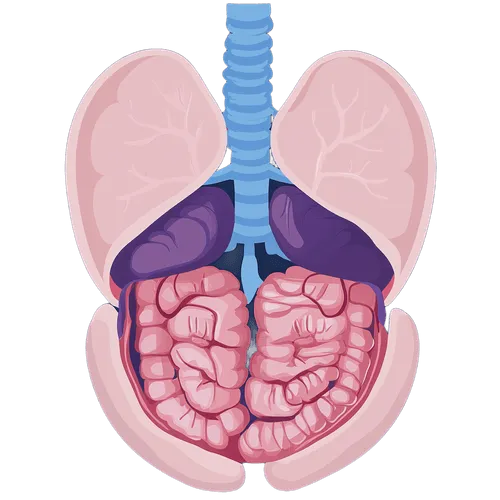
Cystic Fibrosis

Sickle Cell Disease
Spinal Muscular Atrophy
Maple Syrup Urine Disease
Ornithine Transcarbamylase
Phenylketonuria
Gaucher Disease
Wilson Disease
Carrier Test options.

Carrier Screening
Pre-conception screen of 1,008 genes for inherited recessive disease - for couples planning a pregnancy.
From £660
Combined Cancer + Carrier Screening
Hereditary-cancer 50-gene panel bundled with our 1,008-variant carrier-screening panel - one counselling session, one report, one price. Best value when you want both.
From £999
Karyotype Chromosome Analysis
Chromosome-level analysis of all 46 chromosomes - detects numerical changes (aneuploidies) and large structural rearrangements. Useful for couples investigating recurrent miscarriage or fertility issues.
From £290
Newborn Genetic Screening
A simple oral-swab screen of your newborn for inherited conditions where early intervention changes outcomes - including treatable metabolic disorders, hearing impairment risk, and immune deficiencies.
From £720Why test?
1 in 25 people in the UK is a carrier of a serious genetic condition - often without knowing it. Carrier screening helps identify whether you or your partner carry inherited conditions that could affect your children. With early insight, you can make informed decisions and plan for the future with confidence.
Genetic Counselling
A key part of your test is a 30-minute personalised session with one of our genetic counsellors. Genetics can be complex, but you're not alone. We're here to guide you through it. By exploring your family history, we can uncover valuable insights that could make a real difference to your health. We recommend attending this session with your partner.
The Test
Our 1,008-gene Carrier Screening Test analyses 1,008 well-studied genes linked to inherited genetic conditions. Unlike broader tests that include genes with unclear impact, the panel focuses on clinically relevant results. You get clear answers, backed by science, that support confident decision-making, especially when planning a family.
The Lab
Fulgent Genetics, based in California, is a global leader in genetic testing and analysis. We've partnered with them because quality matters, especially when it comes to your health. Their state-of-the-art Illumina sequencing technology delivers over 98% depth at 20x coverage, ensuring your results are both reliable and clinically meaningful.
Research
Medicine is always evolving and so are we. Our expert team stays up to date with the latest research and clinical guidelines, so you're always getting advice that's current, trusted, and tailored to you.
How it works.
Chat with our Genetic Counsellor, receive your at-home DNA kit with a quick cheek swab, send it back, and get your results in under 4 weeks.
Gene List.
Relating to 1,000s of diseases.
Metabolic Disorders 273 genes
Inherited conditions where the body can't break down or use a specific nutrient correctly.
24 profiles liveABCA12 , ABCA3 , ABCA4 , ABCB11 , ABCB4 , ABCC8 , ABCD4 , ACAD9 , ACADM , ACADS , ACADSB , ACADVL , ACAT1 , ATM , ATP7B , BTD , FH , GAA , GBA , GLA , HEXA , HINT1 , MTHFR , OTC , AAAS, ABCD1, ACOX1, ACSF3, ADA, AGA, AGL, AGPAT2, AGPS, AGXT, AHCY, AKR1D1, ALDH3A2, ALDH4A1, ALDH7A1, ALDOB, ALG1, ALG12, ALG3, ALG6, ALOX12B, ALOXE3, ALPL, AMN, AMT, ANTXR2, ARG1, ARSA, ARSB, ARSE, ASL, ASNS, ASPA, ASS1, ATP7A, ATP8B1, BCHE, BCKDHA, BCKDHB, BCS1L, CANT1, CBS, COQ4, COX10, COX15, COX20, COX6B1, CP, CPS1, CPT1A, CPT2, CRADD, CTNS, CTSA, CTSC, CTSD, CTSF, CTSK, CYBA, CYBB, DBT, DDC, DGUOK, DHCR24, DHCR7, DHDDS, DLAT, DLD, DPYD, ETFA, ETFB, ETFDH, ETHE1, FA2H, FAH, FBXL4, FBP1, FMO3, FOLR1, FOXRED1, FTCD, FUCA1, FXN, G6PC, G6PC3, G6PD, GALC, GALE, GALK1, GALNS, GALNT3, GALT, GAMT, GATM, GBE1, GCDH, GDAP1, GFPT1, GLB1, GLDC, GNE, GNS, GRHPR, GSS, GUSB, GYS2, HADH, HADHA, HADHB, HAX1, HCFC1, HEXB, HGD, HGSNAT, HLCS, HMGCL, HMGCS2, HOGA1, HPD, HPS1, HPS3, HPS4, HPS5, HPS6, HSD17B10, HSD17B3, HSD17B4, HSD3B2, HSD3B7, HYAL1, IDH3B, IDS, IDUA, ITPA, IVD, LIPA, LIPN, MAT1A, MCCC1, MCCC2, MCEE, MCOLN1, MLYCD, MMAA, MMAB, MMACHC, MMADHC, MPI, MPV17, MTHFD1, MTR, MTRR, MTTP, MUT, MVK, NAGA, NAGLU, NAGS, NEU1, NGLY1, NPC1, NPC2, OAT, PAH, PANK2, PC, PCBD1, PCCA, PCCB, PDHA1, PDHB, PDHX, PDP1, PEPD, PET100, PFKM, PGK1, PHGDH, PHKA1, PHKA2, PHKB, PHKG2, PHYH, PMM2, PNP, PNPO, PPT1, PRPS1, PSAP, PTS, PYGL, PYGM, QDPR, RTEL1, SACS, SAMD9, SAMHD1, SARS2, SBDS, SCO1, SCO2, SERPINA1, SGSH, SLC12A1, SLC12A3, SLC16A2, SLC17A5, SLC19A2, SLC19A3, SLC22A5, SLC25A13, SLC25A15, SLC25A20, SLC26A2, SLC26A3, SLC27A4, SLC34A3, SLC35A3, SLC37A4, SLC39A4, SLC3A1, SLC45A2, SLC46A1, SLC4A1, SLC5A5, SLC6A19, SLC6A8, SLC7A7, SLC7A9, SMPD1, SPR, SUCLA2, SUMF1, SUOX, SURF1, TAT, TERT, TF, TFR2, TG, TGM1, TH, TK2, TPP1, TTPA, TYMP, TYR, TYRP1, UGT1A1
Blood & Coagulation Disorders 28 genes
Recessive blood and clotting conditions including sickle cell disease and the thalassaemias.
1 profile liveHFE , EPB42, F11, F2, F5, F7, F8, F9, GP1BA, GP9, HAMP, HBA1, HBA2, HBB, HJV, ITGA2B, ITGA6, ITGB3, ITGB4, MPL, NBEAL2, NBN, NCF2, NCF4, RHAG, SEC23B, CDAN1, PGM3
Neuromuscular Disorders 31 genes
Progressive muscle and motor-neuron conditions including spinal muscular atrophy.
2 profiles liveDMD , PLEKHG5 , CAPN3, CASP14, CHAT, CHRNE, CHRNG, CLCN1, COLQ, DOK7, DYSF, FKBP10, FKRP, FKTN, FHL1, MTM1, MTMR2, NEB, POMGNT1, POMT1, POMT2, RAPSN, SELENON, SGCA, SGCB, SGCD, SGCG, SLC5A7, SMN1, TAZ, ESCO2
Sensory Disorders (Hearing & Vision) 53 genes
Genes linked to inherited hearing loss and inherited retinal disease.
2 profiles liveABCA4 , RPE65 , AIPL1, CDH23, CERKL, CHM, CHST6, CIB2, CLRN1, CNGA1, CNGA3, CNGB1, CNGB3, CRYL1, EYS, FAM161A, GJB1, GJB2, GJB6, GPR143, GUCY2D, LHCGR, LOXHD1, LRAT, MAK, MYO7A, NDP, NR2E3, OCA2, OPA3, OTOF, PCDH15, PDE6A, PJVK, PRCD, PRDM5, RD3, RDH12, RDH5, RLBP1, RP2, RPGR, RPGRIP1, RPGRIP1L, RS1, SAG, TMPRSS3, USH1C, USH1G, USH2A, WHRN, SLC26A4, CRB1
Neurological & Neurodevelopmental Disorders 68 genes
Recessive and X-linked neurodevelopmental conditions affecting the central nervous system.
3 profiles liveLMNA , PHF8 , SYN1 , ADGRG1, ADGRV1, AFF2, AHI1, AIMP1, AIRE, ARX, ATRX, BLM, BRWD3, CC2D1A, CC2D2A, CDCA7, CLP1, CNTNAP2, CTC1, CUL4B, DCX, DLG3, DNMT3B, EIF2AK3, EIF2B1, EIF2B2, EIF2B3, EIF2B4, EIF2B5, ELP1, EMD, FGD1, FMR1, FTSJ1, HELLS, IGHMBP2, IL1RAPL1, INPP5E, KCTD7, KDM5C, L1CAM, LPAR6, LRPPRC, MED17, MEFV, MEGF8, MID1, MLC1, MRE11, NDRG1, NHEJ1, NONO, OPHN1, PAK3, PQBP1, PUS1, SH3TC2, SLC12A6, SLC1A4, SMARCAL1, SYNE4, THOC2, UPF3B, VPS13A, VPS13B, ZDHHC9, ZNF469, ZNF711
Connective Tissue & Skeletal Disorders 39 genes
Inherited skeletal dysplasias and connective tissue conditions.
Profiles coming soonADAMTS2, ALMS1, BMPER, COL11A2, COL17A1, COL27A1, COL4A3, COL4A4, COL4A5, COL7A1, CRTAP, CUL7, DDR2, DLL3, EDA, EFEMP2, EVC, EVC2, GDF5, GRIP1, KIF14, LAMA2, LAMA3, LAMB3, LAMC2, LARS, LTBP4, MESP2, OBSL1, P3H1, PLOD1, PLOD2, PLP1, PRICKLE1, SERPINF1, TNXB, WISP3, WNT1, WNT10A
Primary Immunodeficiencies 46 genes
Inherited immune disorders where the immune system can't fight infection effectively.
Profiles coming soonAK2, BTK, CD247, CD3D, CD3E, CD3G, CD40LG, CD59, CD8A, CIITA, CORO1A, DCLRE1C, DOCK8, FOXN1, FOXP3, IKBKB, IL2RA, IL2RG, IL7R, JAK3, LCK, LIG4, MALT1, NDUFA11, NDUFAF2, NDUFAF5, NDUFS4, NDUFS6, NDUFS7, NDUFV1, PRF1, PRKDC, PTPRC, RAG1, RAG2, RFX5, RFXANK, RFXAP, SNX10, SP110, STK4, STX11, STXBP2, UNC13D, WAS, ZAP70
Kidney & Urinary Tract Disorders 26 genes
Inherited kidney conditions that progress to kidney failure if untreated.
1 profile livePKHD1 , AGPAT2, AQP2, ATP6V0A2, ATP6V0A4, ATP6V1B1, ATP6V1E1, AVPR2, CLCN5, CLCNKB, GNPAT, GNPTAB, GNPTG, INVS, KCNJ1, KCNJ11, LMAN1, LMBRD1, NPHP1, NPHP3, NPHS1, NPHS2, OCRL, SLC4A11, VDR, VLDLR
Endocrine Disorders 36 genes
Hormonal-pathway conditions affecting the body's endocrine system.
Profiles coming soonAMH, AMHR2, AR, CASR, CYP11A1, CYP11B1, CYP11B2, CYP17A1, CYP19A1, CYP1B1, CYP21A2, CYP27A1, CYP27B1, CYP4F22, CYP7B1, DUOX2, DUOXA2, GHR, GHRHR, GNRHR, IYD, LHX3, LIFR, NR0B1, POU1F1, POU3F4, PROP1, SRD5A2, ST3GAL5, STAR, TBX19, TCIRG1, TPO, TRHR, TSHB, TSHR
Ciliopathies & Cell Biology Disorders 44 genes
Disorders where cellular cilia fail to develop or function correctly.
2 profiles liveCASQ2 , IFT140 , B9D1, B9D2, BBS1, BBS10, BBS12, BBS2, BBS4, BBS5, BBS7, BBS9, BSND, CCDC103, CCDC151, CCDC39, CCDC8, CCDC88C, CEP104, CEP152, CEP290, MKKS, MKS1, RSPH9, SDCCAG8, TCTN1, TCTN2, TCTN3, TMEM138, TMEM216, TMEM231, TMEM237, TMEM38B, TMEM67, TMEM70, DNAH5, DNAI1, DNAI2, DNAL1, DYNC2H1, HYLS1, SPATA7, RAB23, TRAPPC11
Cancer Predisposition & DNA Repair 33 genes
Recessive cancer-predisposition syndromes and DNA-repair conditions.
2 profiles liveATM , BRIP1 , BLM, DDB2, ERCC2, ERCC3, ERCC4, ERCC5, ERCC6, ERCC8, FANCA, FANCB, FANCC, FANCD2, FANCE, FANCF, FANCG, FANCI, FANCL, LYST, MRE11, NBN, POLG, POLH, POLR1C, RNASEH2A, RNASEH2B, RNASEH2C, TREX1, WRN, XPA, XPC, ZBTB24
Peroxisomal Disorders 15 genes
Inherited conditions where the peroxisomes don't function correctly.
Profiles coming soonPEX1, PEX10, PEX11B, PEX12, PEX13, PEX14, PEX16, PEX19, PEX2, PEX26, PEX3, PEX5, PEX6, PEX7, GNPAT
Other Genetic Conditions 89 genes
A long tail of well-characterised inherited conditions including cystic fibrosis.
5 profiles liveAP1S2 , COASY , DCAF17 , LDLR , TRDN , ADK, ANO10, ANO5, AP1S1, AP3B1, AP3D1, APOPT1, ARL13B, ARL6, BLOC1S3, BLOC1S6, BMP1, C19orf12, C8orf37, CAD, CAVIN1, CHMP1A, CLCF1, CLN3, CLN5, CLN6, CLN8, CPLANE1, CRLF1, DDX11, DOLK, DTNBP1, EXOSC3, FRAS1, FREM2, GORAB, LDLRAP1, LPL, LRP2, MANBA, MAN2B1, MCPH1, MFSD8, NIPAL4, NTRK1, OSTM1, PIP5K1C, PIGN, PLA2G6, PNPLA1, POC1A, PPIB, RMRP, ROGDI, SDR9C7, SELENON, SEPSECS, SGP11, SGP21, SGP7, SKIV2L, SLC2A10, SLC2A2, SNAP29, SPG11, SPG21, SPG7, SPINK5, TBCE, TECPR2, TNFSF11, TRIM32, TRIM37, TRMU, TRPM6, TSEN2, TSEN34, TSEN54, TSFM, TTC37, TTC7A, TTC8, TULP1, VPS45, VPS53, VRK1, VSX2, AMPD2, ERBB3
Comprehensive carrier screening panel.
1,008 genes across 13 clinical categories, screening for recessive and X-linked conditions that a healthy parent may silently carry.
What's Next?
What happens if my DNA shows a higher-risk gene?
Genetic Counselling.
Get startedOur Pricing.
Transparent. Personalised. No surprises.
Frequently Asked Questions
What is carrier screening?
Carrier screening is a type of genetic test that checks whether you carry a gene for a hereditary condition, even if you don't have any symptoms yourself. It's most often used by individuals or couples planning a family, to understand the risk of passing on certain inherited conditions to their children. Everyone carries some changes in their genes, but most don't cause any health problems. Carrier screening looks for specific conditions that could be passed on if both partners carry the same faulty gene. If both you and your partner are carriers for the same condition, there's a chance your child could be affected.
What conditions does carrier screening test for?
Carrier screening tests for a range of inherited conditions, including cystic fibrosis, Tay-Sachs disease, sickle cell anaemia, thalassaemia, and spinal muscular atrophy. At Jeen Health, our panel is pan-ethnic and includes 1,008 clinically relevant genes. We focus on conditions that are serious, inherited in a recessive or X-linked manner, and have known health impacts. This means we test for conditions that could significantly affect a child's quality of life, and that may not show up in either parent's health.
Can I have carrier screening if I am already pregnant?
Mostly yes, you can have carrier screening during pregnancy - depending on how far along you are. Ideally, carrier screening is done before conception so you have more time and options, but it's still valuable if you're already pregnant. If you're found to be a carrier during pregnancy, we may recommend testing your partner too. If both partners carry the same gene variant, there's a 1 in 4 (25%) chance the baby could inherit the condition. Our genetic counsellors will support you through the next steps.
Is carrier screening accurate?
Yes, carrier screening is highly accurate at detecting known gene variants associated with inherited conditions. However, no test is 100% perfect - it's possible, though rare, to be a carrier for a very rare or unknown variant not covered by the test. At Jeen Health, we use advanced laboratory techniques and clinically validated panels to provide the most accurate results possible. Your results are interpreted by specialists to ensure they're meaningful and reliable.
How long does it take to get results?
Results usually take 3-4 weeks from when your sample reaches our lab. We'll keep you updated and book a follow-up consultation to explain your results once they're ready. If further testing is needed for your partner, we'll move quickly to support you and keep the process smooth. Our aim is to give you answers without delays, so you can plan your next steps with confidence.
What's the difference between carrier screening and a karyotype?
Carrier screening checks whether you (and/or your partner) carry genetic changes in specific genes that could be passed on to a child - most commonly autosomal recessive or X-linked conditions. It's usually done before pregnancy or early in pregnancy, and it focuses on the conditions included in the panel. A karyotype (chromosome analysis) looks at the number and structure of chromosomes (a chromosome “picture”). It can detect issues like extra or missing chromosomes and some large chromosomal rearrangements (such as translocations). It's often used in cases like recurrent miscarriage, infertility investigations, abnormal scan findings, or when analysing pregnancy tissue, and it typically requires a blood sample (for parental karyotypes) or CVS/amnio in pregnancy.
Who should consider carrier screening?
Carrier screening is recommended for anyone planning a pregnancy or currently expecting, especially if there's a family history of genetic conditions or if you come from an ethnic background with higher risks of certain inherited diseases. However, even people with no known history can be carriers without knowing it. It's particularly helpful for couples who want to make informed decisions about starting a family. Carrier screening can provide peace of mind or allow you to explore options like IVF with genetic testing, egg or sperm donation, or early diagnosis and support if you decide to conceive naturally.
How is carrier screening done?
Carrier screening can be done easily and painlessly. Most people use an at-home saliva kit, collecting a cheek swab with a soft swab in just a few minutes. In some cases, depending on your location and test type, a blood sample may be required - this can be arranged either at our partner Spital Clinic in London or through a home phlebotomy visit. Once your sample reaches the lab, your DNA is analysed to check for specific gene variants linked to inherited conditions. Our expert team will review the results, and you'll receive a detailed report along with a follow-up consultation to walk you through what it means for you and your family.
What happens if I am found to be a carrier?
If you're found to be a carrier, it means you have one copy of a gene variant linked to a particular condition. Carriers usually do not have symptoms, but if your partner is also a carrier for the same condition, there may be a chance of passing the condition on to your child (depending on the inheritance pattern). Our genetic counsellors will explain your results and what they mean for you. Depending on your partner's results and your family plans, next steps may include partner testing, discussing reproductive options, or simply keeping this information in mind for future pregnancies. In some situations - complex results, a strong family history, or higher-risk findings - you may also be advised to speak with a clinical geneticist for more detailed medical guidance.
Do both partners need to get tested?
It's ideal for both partners to be tested, but we usually start by testing one. If that person is not a carrier, no further testing is needed. If they are, then their partner should be tested to check for the same condition. This step-by-step approach helps keep testing straightforward and cost-effective. Our team will guide you based on the results and help you understand your reproductive risks together.
Is carrier screening covered by the NHS?
Carrier screening is available on the NHS in specific situations, such as if you or your partner are from certain ethnic backgrounds or have a known family history of a particular condition. However, comprehensive screening for multiple conditions is not routinely offered. Jeen Health provides private carrier screening with the support of expert genetic counsellors. This gives you access to broader testing, at your convenience, from the comfort of your home.
What are X-linked conditions?
X-linked conditions are genetic disorders caused by changes in genes found on the X chromosome - one of the two sex chromosomes. Since males only have one X chromosome (and one Y), if they inherit a gene variant on the X chromosome, they're more likely to be affected by the condition. Females have two X chromosomes, so if one carries a faulty gene, the other can often compensate, which means women are usually carriers without symptoms. Some common X-linked conditions include Duchenne muscular dystrophy and fragile X syndrome. If you're a female carrier of an X-linked condition, there's a 50% chance of passing the gene to each child. Sons who inherit it are more likely to be affected, while daughters may become carriers like you.
Get in touch
Our team of expert specialists is here to help - whether you're curious about testing, your results, or what's right for you. We're just a message away.
Contact details
- my@jeen.health
- +44 20 3870 9099
- WhatsApp us
- 36 Spital Square, London E1 6DY
Book your appointment
Choose a time that suits you - no account needed.
Trouble loading? Open the booking page.