Testing for >1000 conditions using your DNA
Speak to a Genetic Counsellor Today

Karyotype (Chromosome) Analysis

Normal human male karyotype (46,XY), showing 22 autosome pairs and X/Y chromosomes. Karyotype analysis is a lab test that looks at all of a person’s chromosomes to find missing, extra, or rearranged genetic material.

Use responsibly. T&Cs & late fees apply at clearpay.co.uk/terms

What is a Karyotype Test?

A Karyotype Test is a genetic analysis that examines the structure and number of your chromosomes.

Inside almost every cell in your body, your DNA is tightly bundled into structures called chromosomes. Most people have 46 chromosomes arranged in 23 pairs. A Karyotype test takes a sample of your cells, grows them in a lab, and photographs them under a microscope to create a "map" of your genetics.

This allows geneticists to see large-scale changes, such as missing or extra chromosomes, or large structural rearrangements, that smaller DNA tests might miss.

When is Karyotype Testing Recommended?

Karyotyping is a fundamental test used in several specific medical situations:

  1. Fertility & Recurrent Miscarriage: Couples with unexplained infertility or who have suffered repeated miscarriages are often tested. The goal is to find "balanced translocations" where pieces of chromosomes have swapped places. This may not affect the parent's health but can make conception difficult or lead to pregnancy loss per Genomics Education Programme.
  2. Prenatal Diagnosis: If a pregnancy is deemed high-risk (due to ultrasound anomalies, maternal age or high risk NIPT), doctors may use cells from amniocentesis or CVS to check the baby's chromosomes for conditions like Down syndrome.
  3. Child Development: Newborns or children with unexplained developmental delays, growth issues, or birth defects may be tested to diagnose chromosomal conditions like Turner Syndrome (missing X chromosome) or Klinefelter Syndrome.
  4. Family History: If there is a known history of chromosomal disorders in your family, this test can clarify your personal risk.

How does the process work?

Karyotyping requires living, growing cells. The most common method for adults and children is a simple blood test.

  1. Sample Collection: We arrange a convenient blood draw (5–10 mL for adults) at one of our partner clinics or via a home phlebotomy service.
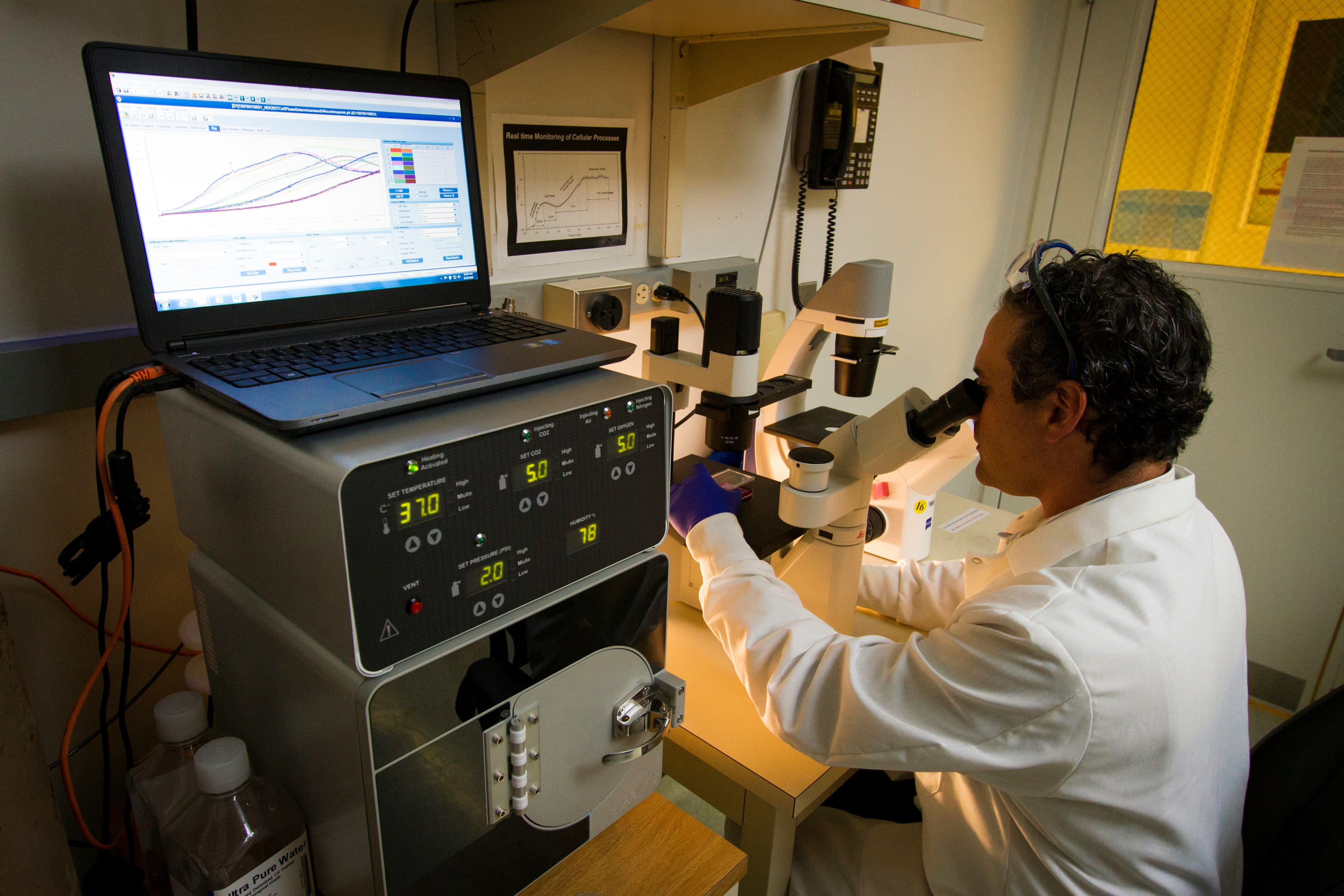
  2. Lab Analysis: In the lab, your cells are cultured (grown) until they divide. They are then stained so the chromosomes become visible under a microscope.
  3. Examination: A specialist technician arranges your 46 chromosomes into pairs and checks for missing, extra, or rearranged chromosomes.
  4. Results & Support: You receive a full report. Because chromosomal results can be complex, a 30-minute session with a genetic counsellor is included with every test to explain the findings in plain English.

Timeline: Results typically take 4 weeks because the cells need time to grow in the lab.

  • Need it faster? We offer an Express Service (results in 2–3 weeks).

What does the test detect?

A Karyotype looks for "big picture" genetic changes that affect the whole chromosome structure:

  • Aneuploidy: Having the wrong number of chromosomes (e.g., Trisomy 21 / Down Syndrome).
  • Translocations: When a piece of one chromosome breaks off and attaches to another.
  • Inversions: When a segment of a chromosome breaks off, flips backward, and reattaches.
  • Deletions/Duplications: Missing or extra large chunks of genetic material.

Note: For smaller genetic changes, a Microarray or Whole Exome Sequencing might be recommended instead.

Pricing & Packages

We believe in transparent, all-inclusive pricing with no hidden fees.

Single Karyotype | £365 | Standard testing for one individual. Includes pre- and post-test counselling. Results in 4 weeks (Single test).

Couple's Karyotype | £695 | Most Popular for Fertility. Testing for both partners. Includes joint counselling session. Results in 4 weeks (Couple's test).

Includes:

  • Laboratory analysis at an accredited UK/EU lab.
  • 30-minute online consultation with an expert genetic counsellor.
  • Referral for follow-up testing (like FISH or Microarray) if abnormalities are found.

Why Choose Jeen?

At Jeen Health, we combine medical expertise with a actionable advanced genetic testing supportive, patient-focused approach.

  • We specialise in fertility and pregnancy genetics.
  • We arrange sample collection nationwide or at our partner, the Spital Clinic, for on-site testing.
  • We don't just give you a report; we help you plan the next steps. If a result impacts your fertility or health, our counsellors are there to guide you.

Disclaimer! The information provided in this article is for educational purposes only and is based on NHS recommendations. It is not a substitute for professional medical advice. Always consult your doctor or a qualified healthcare provider for advice on medical conditions or treatments.

What do we test for?

Know your genes, protect your future. Over 5,000 diseases are linked to genetic mutations. Early insights through genetic testing can help with prevention, early detection and personalised healthcare decisions.

Type of Cancers

Type of Cancers

We offer expert advice and testing for a range of genes that may increase your risk of developing certain types of cancer.

View Full Gene List

Counselling for Karyotype Testing

Frequently Asked Questions

What is a Karyotype test?

It is a genetic test that examines all 46 chromosomes in your cells to check for large-scale genetic changes. It creates a visual map of your chromosomes to identify if any are missing, extra, or arranged abnormally.

When will I get the results?

Results typically take 2–4 weeks. This is because the cells must be grown (cultured) in the laboratory before they can be analysed.

Are there risks?

Blood Test: There is minimal risk, similar to a standard blood draw (mild bruising).

Prenatal (CVS/Amnio):
These are invasive procedures and carry a small risk of miscarriage (approx. 0.5–1%). Our counsellors will discuss these risks with you in detail so you can make an informed choice.

Why might I need this test?

Fertility issues: If you are experiencing difficulty conceiving or have had recurrent miscarriages.

Prenatal concerns: If an ultrasound or NIPT suggests a risk of a chromosomal condition.

Paediatric development: If a child has unexplained developmental delays or physical differences suggesting a genetic cause.

What can this test find?

It detects whole-chromosome changes and large structural rearrangements.

How is this different from NIPT?

NIPT (Non-Invasive Prenatal Testing) is a screening test; it assesses the probability of a condition using a blood sample from the mother. Karyotyping is a diagnostic test; it looks directly at the yours or fetal cells to give a definite "yes or no" answer.

Karyotyping is often used to confirm a high-risk NIPT result. During pregnancy doctors take cells from the amniotic fluid (amniocentesis, around 15-20 weeks) or placenta (CVS, around 10-13 weeks) using ultrasound guidance.

Get in touch

Our team of Expert Specialists is here to help. Whether you're curious about testing, your results, or what’s right for you. We're just a message away.

Check - Elements Webflow Library - BRIX Templates

Thank you

Thanks for reaching out. We will get back to you soon.
Oops! Something went wrong while submitting the form.