
Common NIPT questions, and what a positive result really means.
- Genome-wide screening: based on whole-genome sequencing, enabling detection of chromosomal abnormalities across the entire fetal genome, not just targeted regions
- Focus Plus fetal DNA enrichment: analyses up to 3.6× more fetal-origin DNA than conventional NIPT tests, for improved accuracy and reliability
- Only 0.6% of tests require a repeat sample, reducing delays and stress for families
- The only NIPT available through Jeen that screens for three mitochondrial DNA mutations linked to hearing loss
- Optional: find out your baby’s sex with over 99% accuracy, if you wish
200+ collection points across the UK · Find your nearest
Medically reviewed by Dr Fred Ushakov, Medical Director & Founder · Last reviewed November 2026
NIPT Microdeletions
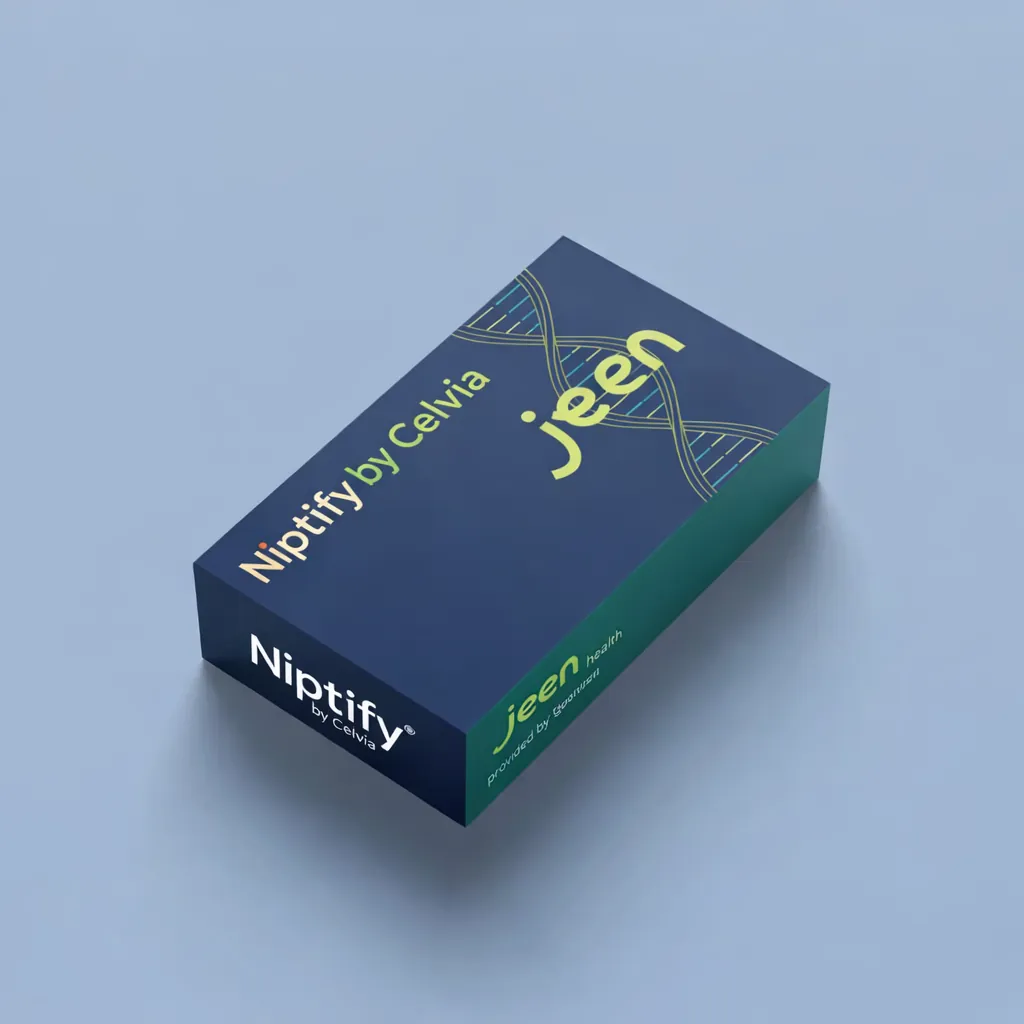
Also called Niptify Focus Plus NIPT
Uses Focus Plus fetal DNA enrichment to screen for trisomies, 20+ microdeletions, sex chromosome conditions and mitochondrial DNA mutations. From 10 weeks.
- Take it from
- 10 weeks pregnant
- Results in
- 5–10 working days
- Microdeletions
- 20+ syndromes
- Twins
- No, single pregnancies only
- CQC registeredRated Good
- Accredited labEstonia (EU), ISO 15189
- 4.8 on TrustpilotLondon Pregnancy Clinic · 707 reviews
Klarna’s credit agreements are not regulated by the FCA. Use of these and any missed payments may affect your ability to obtain credit from Klarna and other lenders. 18+, UK residents only. Subject to status. T&Cs apply. Klarna terms apply.
Is it right for me?
10–16weeks
Best performed between 10 and 16 weeks of pregnancy.
Singlepregnancy
NIPT Microdeletions is validated for singleton pregnancies only and is not available for twin or multiple pregnancies.
7days
You will need an ultrasound scan from the last 7 days, confirming a normally developing pregnancy.
18+
Genetic testing with Jeen Health is only available to individuals aged 18 and over.

A good choice if you
- Want the widest possible screening coverage, including microdeletions, rare chromosomal conditions and mitochondrial DNA mutations.
- Are pregnant through IVF: its Focus Plus technology enables reliable results even when fetal and maternal DNA differ significantly.
- Have a higher BMI: the enriched fetal DNA fraction means NIPT Microdeletions performs reliably where standard NIPTs may struggle with low fetal fraction.
- Have a 12-week scan showing increased nuchal translucency or other early concerns.
- Have a family history of rare genetic syndromes, microdeletion conditions or unexplained developmental disorders.
NIPT Microdeletions is an ideal option for parents who want the most comprehensive genome-wide prenatal screening available.
Not suitable if any of these apply
- Twins or more
- Donor eggs or surrogacy
- A vanishing twin
- Pregnancy beyond 16 weeks
- History of chromosomal abnormalities
- Parental mosaicism
- Fetal demise
- An active malignancy
- A previous bone marrow / organ transplant
Past 16 weeks? Please reach out before ordering. Our genetic counsellors will discuss your circumstances and recommend the most suitable option.
What it checks
- 20+
- microdeletion syndromes, as well as trisomies, sex chromosome conditions and mitochondrial DNA mutations
- 1 in 130
- pregnancies are affected by the conditions screened by NIPT Microdeletions How we work this out
Microdeletions are small missing segments of DNA on specific chromosomes. These missing pieces can affect several genes, often leading to developmental delays, learning disabilities, physical differences or medical conditions. Unlike more common conditions like Down’s syndrome, microdeletions may not be picked up in standard screening, making early detection with a comprehensive NIPT like NIPT Microdeletions especially valuable.
Conditions like Trisomy 21, 18, and 13 can occur even without family history. Screening helps identify risk early in pregnancy.
Common trisomies 3
Down syndrome, also known as Trisomy 21, is a genetic condition affecting around 1 in 700 babies born in the UK. It is caused by the presence of an extra copy of chromosome 21, resulting in distinctive physical features, developmental delays, and an increased risk of certain health issues.
Click to read more in the Jeen library.Read more in the Jeen library
Edwards syndrome, also known as Trisomy 18, is a rare genetic condition caused by an extra copy of chromosome 18. It is associated with severe developmental challenges. Affected individuals typically experience significant health issues, including severe intellectual disabilities and characteristic physical features.
Click to read more in the Jeen library.Read more in the Jeen library
Patau syndrome, also known as Trisomy 13, is a rare chromosomal condition caused by an extra copy of chromosome 13. This condition typically causes significant developmental problems and serious health issues affecting many parts of the body.
Click to read more in the Jeen library.Read more in the Jeen library
Sex chromosome conditions 4
Turner syndrome typically affects individuals assigned female at birth, leading to a range of developmental and medical concerns. It can impact growth, heart development, and fertility, requiring lifelong medical care.
Click to read more in the Jeen library.Read more in the Jeen library
Klinefelter syndrome (47,XXY) affects approximately 1 in 500-1,000 males.
Click to read more in the Jeen library.Read more in the Jeen library
Triple X syndrome (47,XXX) is a chromosomal condition affecting approximately 1 in 1,000 females, caused by an extra X chromosome in each cell.
Click to read more in the Jeen library.Read more in the Jeen library
XYY syndrome (47,XYY), also known as Jacobs syndrome, is a chromosomal condition affecting approximately 1 in 1,000 males, caused by an extra Y chromosome.
Click to read more in the Jeen library.Read more in the Jeen library
Rare chromosome changes 2
Genome-wide detection of trisomies or monosomies in chromosomes other than 13, 18 and 21.
Partial trisomy or monosomy in chromosomes 13, 18 and 21.
Microdeletions and microduplications 22
A commonly occurring condition (approximately 1 in 1,100 to 1 in 1,500 pregnancies) that can cause congenital heart abnormalities and developmental delay. This microdeletion occurs spontaneously and does not correlate with maternal age, making screening relevant for all expectant parents.
Click to read more in the Jeen library.Read more in the Jeen library
Prader-Willi syndrome is a genetic condition affecting appetite, growth, development and behaviour. Angelman syndrome causes significant developmental delays, profound speech impairment, ataxic movements, and distinctive behavioural features.
Click to read more in the Jeen library.Read more in the Jeen library
1p36 deletion syndrome is a rare chromosomal condition marked by developmental delay, intellectual disability, and distinctive facial features.
Click to read more in the Jeen library.Read more in the Jeen library
Cri du chat syndrome results from deletion of part of chromosome 5. The syndrome affects multiple body systems and presents with intellectual disability, speech difficulties and distinctive facial features.
Click to read more in the Jeen library.Read more in the Jeen library
Wolf-Hirschhorn syndrome results from deletion of chromosome 4p16. This syndrome presents with characteristic facial features, developmental delay, intellectual disability, and growth difficulties.
Click to read more in the Jeen library.Read more in the Jeen library
Jacobsen syndrome is a rare genetic condition caused by a deletion on the long arm of chromosome 11, leading to developmental and health issues. This condition can affect many parts of the body, leading to developmental delay, distinctive facial features, heart problems, and a bleeding disorder.
Click to read more in the Jeen library.Read more in the Jeen library
Langer-Giedion syndrome, also called TRPS II, is a genetic condition that affects bone and connective tissues, as well as intellectual development. It is caused by a small missing piece of genetic material (a microdeletion) on chromosome 8, usually occurring sporadically.
Click to read more in the Jeen library.Read more in the Jeen library
Duchenne muscular dystrophy is a genetic condition causing progressive muscle weakness, primarily affecting males, due to changes in the DMD gene. This condition predominantly affects males and leads to difficulties with movement, eventually impacting heart and breathing functions.
Click to read more in the Jeen library.Read more in the Jeen library
Smith-Magenis syndrome is a genetic condition affecting multiple body systems, leading to developmental delay, intellectual disability, and characteristic behavioural patterns. It is a rare disorder, often diagnosed in childhood.
Click to read more in the Jeen library.Read more in the Jeen library
Neurofibromatosis type 1 (NF1) is a genetic condition causing tumours on nerves, skin changes, and bone abnormalities.
Click to read more in the Jeen library.Read more in the Jeen library
Koolen-de Vries syndrome is a genetic condition causing developmental delay, intellectual disability, and distinctive facial features. This syndrome is typically caused by changes in the KANSL1 gene or a small missing piece of chromosome 17.
Click to read more in the Jeen library.Read more in the Jeen library
3q29 deletion syndrome is a rare chromosomal condition causing developmental delay, learning difficulties, and increased risk of psychiatric conditions.
Click to read more in the Jeen library.Read more in the Jeen library
17q12 deletion syndrome is a rare chromosomal condition caused by loss of genetic material on chromosome 17, affecting kidney development and neurological function.
Click to read more in the Jeen library.Read more in the Jeen library
Detection of clinically relevant CNVs larger than 1 Mb across the entire genome.
Mitochondrial DNA mutations 3
Associated with an increased risk of sensorineural hearing loss. It typically does not cause symptoms at birth but can predispose to hearing impairment, particularly when exposed to aminoglycoside antibiotics.
Click to read more in the Jeen library.Read more in the Jeen library
Associated with an increased risk of sensorineural hearing loss. It typically does not cause symptoms at birth but can predispose to hearing impairment, particularly when exposed to aminoglycoside antibiotics.
Click to read more in the Jeen library.Read more in the Jeen library
Associated with an increased risk of sensorineural hearing loss. It typically does not cause symptoms at birth but can predispose to hearing impairment, particularly when exposed to aminoglycoside antibiotics.
Click to read more in the Jeen library.Read more in the Jeen library
Tap or point at a condition to see what it is.Tap a condition to see what it is.
- 3.6×
- more fetal DNA analysed than conventional NIPT tests
- 0.6%
- of tests require a repeat sample
- >1 Mb
- copy number changes found across the entire genome
- 3
- mitochondrial DNA mutations linked to hearing loss
How it works
Simple, clinician-supported steps to take your test with Jeen.
-
Step 1
Talk to a midwife
Book your included 20-minute consultation with our specialist midwife. Confirm the test that’s right for you.
If you speak with the midwife but testing does not go ahead, a £50 consultation fee applies.
-
Step 2
Consent and kit
Complete your consent form online and receive your kit.
Your kit is dispatched 1–2 working days after you sign your consent form, by next-day delivery.
-
Step 3
One blood sample
Just a single maternal blood draw, from 10 weeks.
A standard blood draw from the pregnant person, with no risk to the pregnancy.
-
Step 4
Results in 5–10 working days
Your results are reviewed by your midwife. We share them with you securely.
Your sample is processed in a CE-IVD certified, ISO 15189 accredited medical laboratory in Estonia.
Where to give your blood sample
You arrange your own blood draw with a local nurse, midwife, phlebotomy service, or clinic.
A blood draw at one of our 200+ partner clinics across the UK. Find your nearest clinic
Our partner clinics do not keep test kits. We post your kit to you after your consultation: book your blood draw only once it has arrived, and take it with you.
We’ll send a qualified nurse to your home to take your blood sample.
Local to London? Have your blood taken at our own clinic, at no extra cost: choose “Arrange your own” when you order.
36 Spital Square, London E1 6DY
What are my blood draw options for NIPT Microdeletions?
In line with our flexible, prevention-first approach, Jeen Health offers multiple convenient options for how you provide your DNA sample for NIPT:
Self-Arranged Blood Draw (Free)
We’ll send your NIPT kit and you can then arrange your own blood draw with a local nurse, midwife, phlebotomy service, or clinic. Many patients ask their private GP, or maternity care provider to assist. Please ensure your provider is comfortable drawing into the NIPT-specific tubes supplied in your kit. If needed, we can share instructions.
- Best if you already have a provider you trust
- No added charge from Jeen, but you may need to pay your chosen provider directly
- Nationwide availability across the UK and some EU regions
Jeen Clinic Network (+£40)
Prefer a clinic-based option? Book a blood draw appointment at one of our 200+ trusted partner locations across the UK. Clinics in major cities including Brighton, Cambridge, London, Manchester, Birmingham, Leeds, Newcastle, Edinburgh, Bristol, Cardiff, and Belfast.
- Quick and easy appointments, often near transport hubs
Home Visit (+£65)
Need maximum convenience? We’ll send a qualified nurse to your home to take your blood sample.
- Ideal for patients with mobility, time or privacy needs
- Available across most of the UK and appointments coordinated by our team
These sample collection options ensure NIPT is accessible on your terms.
Price and what’s included
£525
Included in the price
- 20-minute midwife consultation
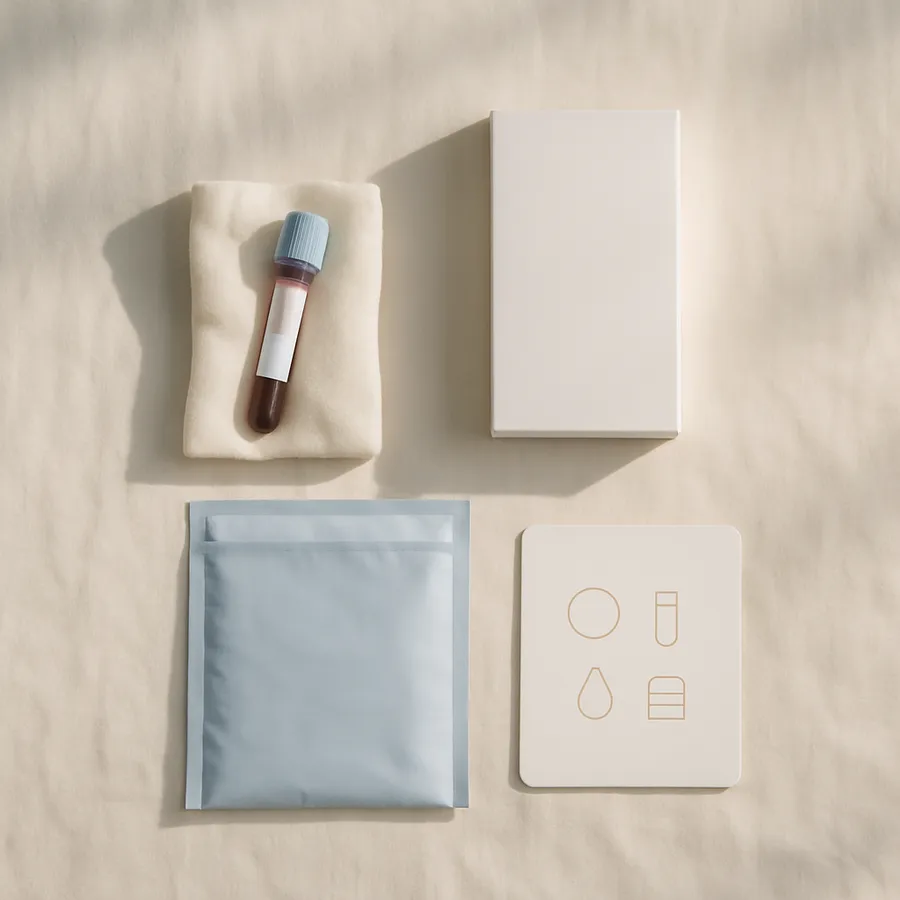
- Test kit, with free next-day delivery
- Lab analysis
- Clinical-grade report, reviewed by your midwife
£50 consultation fee if testing does not go ahead after you speak with the midwife.
Your blood draw choose one
- Arrange your ownNo extra charge
- Jeen Clinic NetworkOnce your kit has arrived+£40
- Home Nurse Visit+£65
- London Pregnancy ClinicLocal to London: choose “Arrange your own”No extra charge
Good to know
Delivery and returns
1. Get your kit from us. Free delivery of your test kit, dispatched 1–2 working days after your midwife consultation and your signed consent form, by next-day delivery. Changed your mind? Return the kit unused within 30 days at no charge.
2. Posting your sample back. After sample collection, send your sample in the pre-paid bag to the nearest depot (details in your email). Turnaround is counted in working days from when your sample reaches the laboratory.
- Turnaround
- 5–10 working days
- Laboratory
- Estonia
Can I change my NIPT after ordering?
Yes. You can change your NIPT option following your counselling or midwife appointment. If you decide to switch from NIPT Microdeletions to a less comprehensive test, we will issue a refund for the price difference within 5–10 working days. If you choose to upgrade to a more advanced or higher-priced NIPT option, we will invoice you for the additional amount after your consultation.
Our midwife will help you choose the most appropriate test based on your medical history, scan findings, and personal preferences, ensuring you have the right screening option for your pregnancy.
Please note: If you upgrade your test, your NIPT kit will not be sent until the additional invoice has been paid in full.
Your result
Results in 5–10 working days
Usually, counted from when your sample arrives at our partner lab.
Public holidays can cause delays.
We call you
Once the results arrive, our admin team calls you as soon as they’re ready.
High-risk result?
A follow-up session with one of our genetic counsellors, and the option of a diagnostic test (amniocentesis or CVS) to confirm it.
We support you at every step, with clear information and no pressure. If your partner needs testing too, we act quickly.
Common NIPT questions, and what a positive result really means.
A short video from the Jeen team.
What it cannot tell you
A screening test, not a diagnosis
NIPT is a screening test, not a diagnostic test. High-risk results should be confirmed by invasive diagnostic procedures such as amniocentesis or CVS. Some results may not be covered by the NHS and could require private genetic counselling or follow-up tests.
No triploidy, no structural checks
NIPT Microdeletions does not screen for triploidy (a rare condition where the baby has an extra complete set of chromosomes). If triploidy screening is important to you, Panorama NIPT may be a more suitable option. NIPT does not detect structural anomalies, such as heart defects or issues with organ development, which are identified through ultrasound scans later in pregnancy.
Less certain for rarer conditions
Detection of the other conditions screened, such as microdeletions, is lower and less certain than for Down’s syndrome.
Other NIPT tests
From the basic panel to the tests that add microdeletions and single-gene conditions. Tick “Compare” on up to three to see them side by side with NIPT Microdeletions.
-
Express NIPT
Screens for the three most common chromosome conditions, analysed in the UK, with results in 3–4 working days. From 10 weeks.
-
Panorama NIPT
A less comprehensive option: the common trisomies, sex chromosome conditions and triploidy. Can be used in twin pregnancies and donor egg or surrogacy pregnancies (excluding 22q11.2 deletion screening).
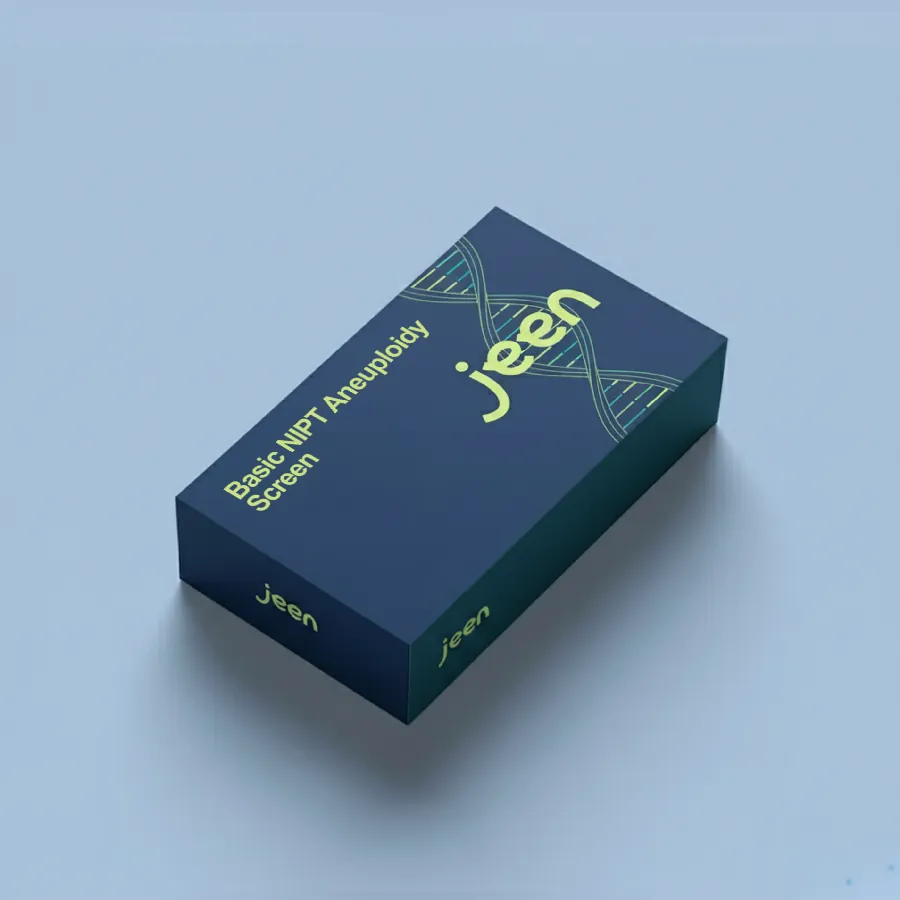
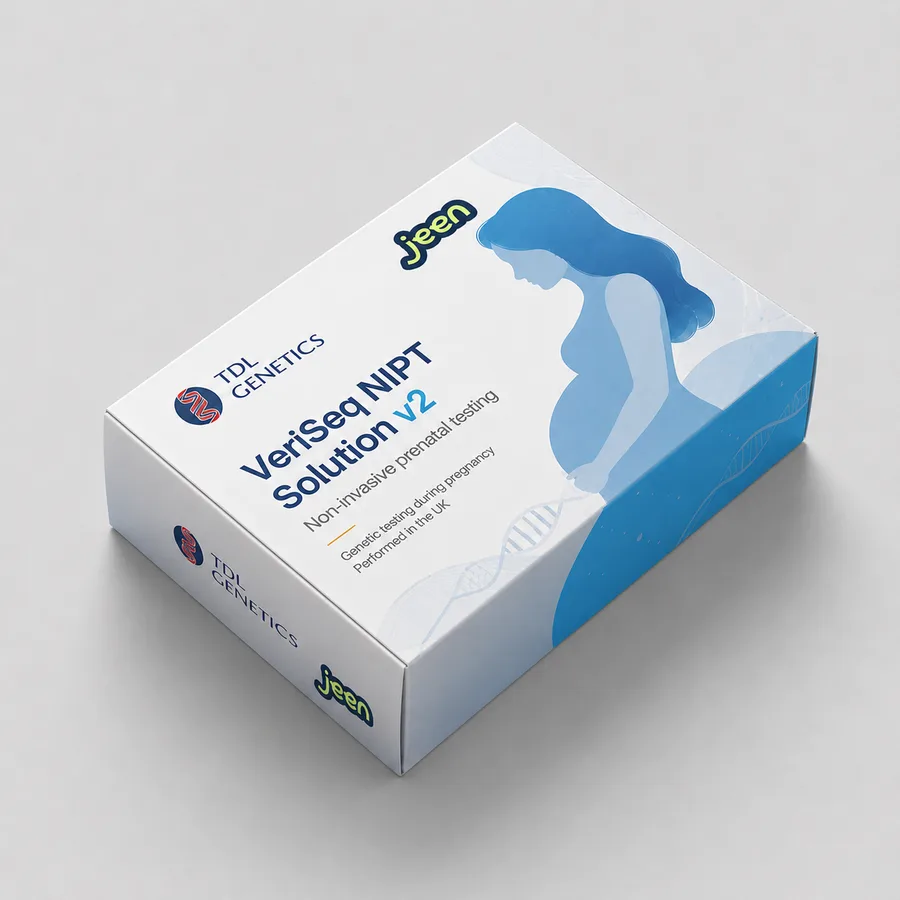
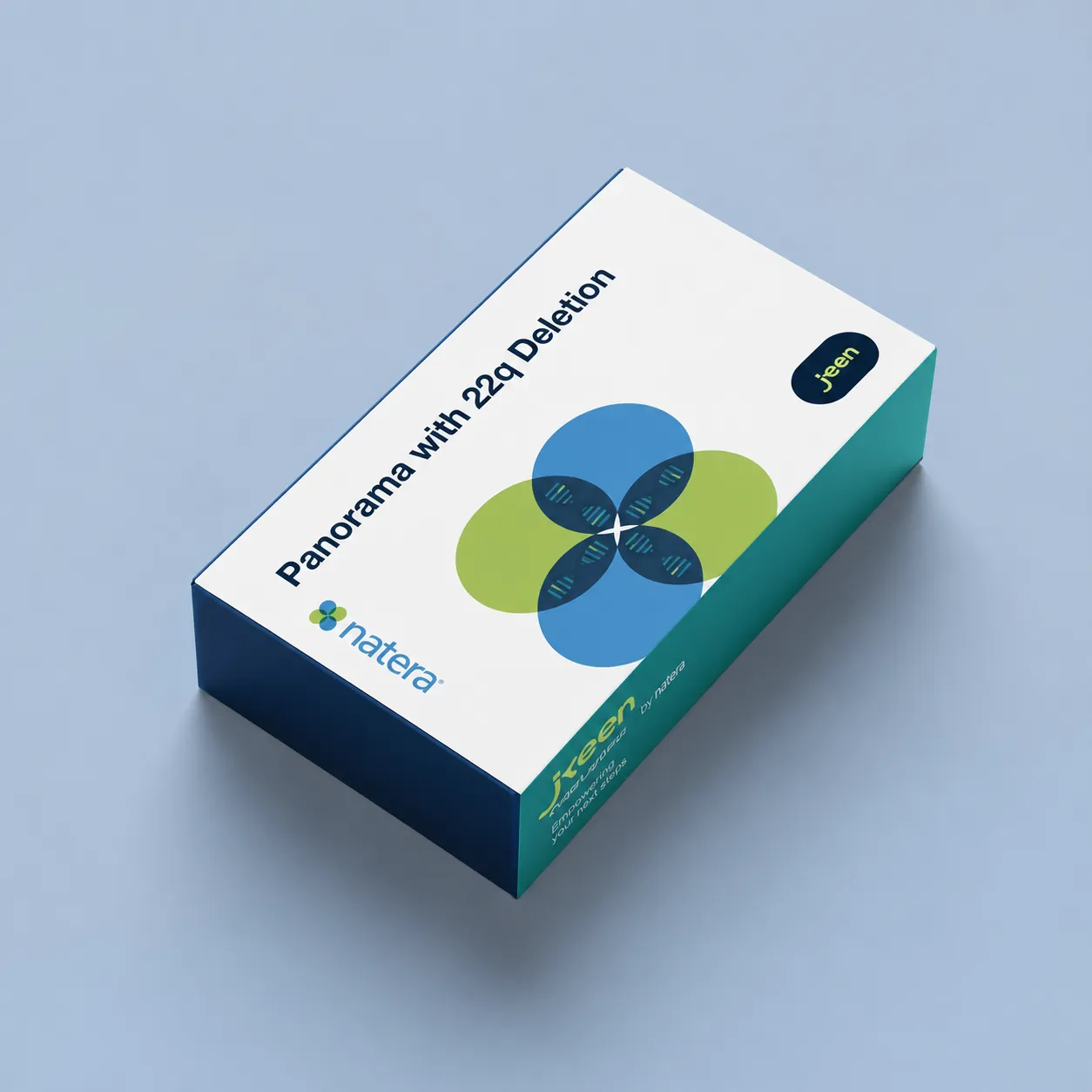
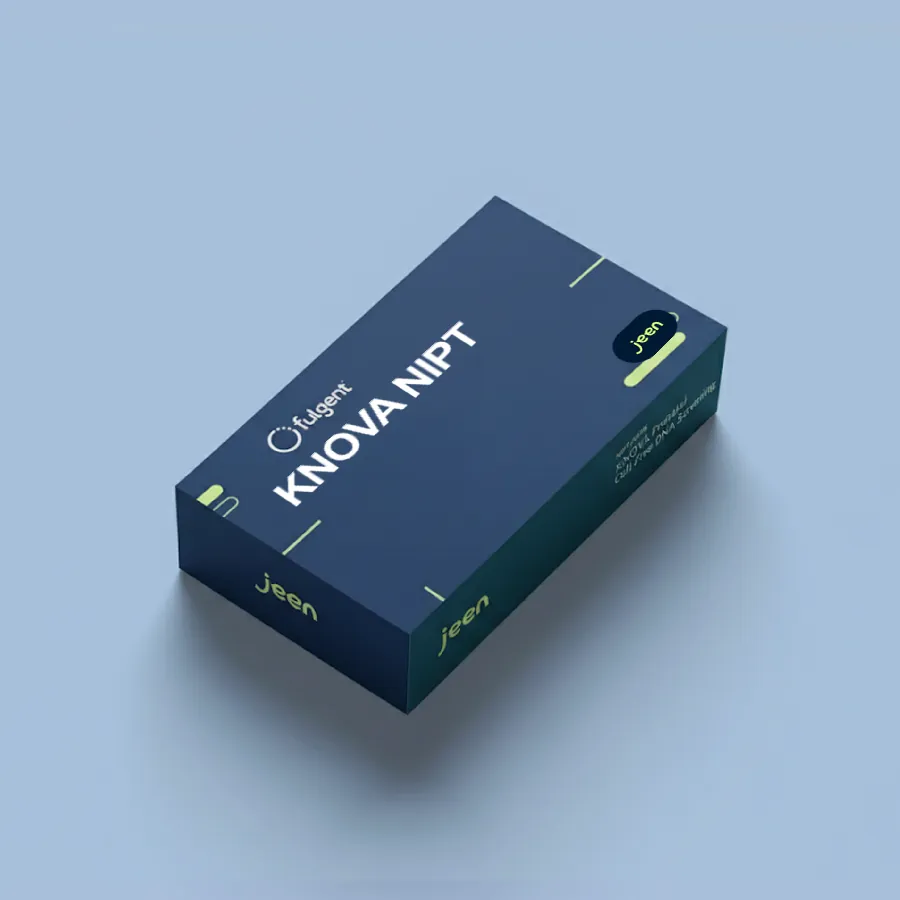
If you’re considering other advanced NIPT options, we also offer KNOVA. The most suitable test will be discussed during your midwife consultation, based on your pregnancy and medical history.
Questions and answers
How does NIPT Microdeletions work?
From just a single maternal blood draw at 10 weeks, NIPT Microdeletions can assess your baby’s risk for a wide range of chromosomal and genetic conditions. The test uses Focus Plus technology - a proprietary method developed by Celvia CC AS in Estonia - which selectively filters DNA fragments by size, retaining more of the shorter fetal fragments whilst reducing maternal DNA. This enrichment increases the proportion of fetal DNA by roughly 3.6× compared with standard NIPTs. Advanced AI analysis then distinguishes fetal genetic information from maternal DNA, producing a highly accurate risk assessment for trisomies, microdeletions and mitochondrial mutations.
Because NIPT Microdeletions is based on whole-genome sequencing rather than targeted analysis, it can detect abnormalities across the entire fetal genome - including rare conditions that other NIPTs may miss. Your sample is processed in a CE-IVD certified, ISO 15189 accredited medical laboratory. The lab’s Niptify Focus Plus test consistently achieves the highest scores in the EMQN international quality assessment programme, giving you confidence in the reliability of your results. Focus Plus collects enough fetal DNA to assess directly, rather than relying on comparison with maternal DNA.
What are mitochondrial DNA mutations and why does NIPT Microdeletions screen for them?
NIPT Microdeletions screens for three specific mitochondrial DNA mutations (1095T>C, 1494C>T and 1555A>G), which are associated with an increased risk of sensorineural hearing loss. These mutations are inherited directly from the mother and typically do not cause symptoms at birth. However, they can predispose individuals to hearing impairment, particularly when exposed to certain antibiotics called aminoglycosides. In some cases, hearing loss may also develop gradually over time. Identifying these variants early allows clinicians to avoid prescribing triggering medications and take preventive measures, reducing the risk of avoidable hearing damage later in life. NIPT Microdeletions is currently the only NIPT available through Jeen that includes mitochondrial DNA mutation screening.
What’s the difference between basic and advanced NIPT?
Basic NIPT screens for the three most common chromosomal conditions: Down’s syndrome (Trisomy 21), Edwards’ syndrome (Trisomy 18), and Patau’s syndrome (Trisomy 13). Advanced NIPT includes everything in the basic test, but can also check for sex chromosome conditions, some rare genetic deletions (called microdeletions), and can tell you the biological sex of the baby if you choose to know. At Jeen, our NIPT specialists will help you decide which version is right for you during your consultation.
Can NIPT Microdeletions be used with donor eggs or surrogacy?
No. NIPT Microdeletions is not suitable for pregnancies using donor eggs or surrogacy. If you are pregnant through assisted reproduction, our team will discuss the best NIPT option for your situation during your midwife counselling appointment.
Do I need midwife counselling before NIPT?
Yes. With Jeen, you must attend an online midwife NIPT counselling appointment before the test. After this appointment, we will send you the kit for sample collection. At Jeen, we believe it’s important that everyone taking NIPT has the chance to speak to a qualified midwife (or a genetic counsellor for an additional fee) first. This session helps you understand what the test covers, what it doesn’t, and what the results might mean for you and your baby. It’s also a space to ask questions and make confident, informed choices.
Do I need a GP or hospital referral for NIPT Microdeletions?
No. Anyone aged 18+ can order NIPT Microdeletions directly with Jeen Health. Your kit is dispatched 1–2 working days after your midwife consultation and your signed consent form, by next-day delivery, and your midwife reviews every report before it’s shared with you.
Can I do NIPT at home?
Yes. At Jeen Health, the standard option is for you to arrange your blood test at home independently. If you prefer, we can organise your blood test for you for an additional fee.
When can I take the NIPT and is it safe?
NIPT is completely safe for both you and your baby. It’s a non-invasive blood test that only requires a small sample from your arm and involves no physical contact with the baby. This means there’s no risk of miscarriage or harm to the pregnancy, unlike invasive diagnostic procedures. You can take NIPT Microdeletions from 10 weeks into your pregnancy. Before ordering your test with Jeen, we’ll ask you to upload a recent pregnancy scan, such as a dating scan or viability scan. This allows our specialist medical team to confirm that the test is suitable for you before proceeding.
Can NIPT tell me the sex of my baby?
Yes, NIPT can identify the baby’s biological sex with high accuracy, but this is completely optional. If you’d like to know, just let our team know during your consultation and if you’d rather not find out, we’ll make sure it’s not included in your report.
Who checked it, and sources

Medically reviewed by Dr Fred Ushakov, Medical Director & Founder.Last reviewed November 2026.
The statistics and clinical claims on this page are supported by the following authoritative sources.
- NCBI / PMC
- NCBI
- Laboratory analysis: About our testing
How we estimate "affects about 1 in N pregnancies"
The "1 in N" is an approximate UK total-birth prevalence - how often, across all births (live births plus stillbirths and terminations for fetal anomaly), a pregnancy is affected by one of the conditions this screen covers. We add the published birth prevalence of each condition (or condition class) and express the total as "1 in N". The three autosomal trisomies are anchored to NCARDRS England 2022.
This panel:
- Trisomy 21 / 18 / 13 - 42.3 per 10,000 combined (≈1 in 240)
- Sex-chromosome aneuploidies (Turner, Klinefelter, Triple-X, XYY), combined - ~17 per 10,000 (≈1 in 580)
- 22q11.2 deletion (DiGeorge syndrome) - ~3.3 per 10,000 (≈1 in 3,000)
- ~20 further microdeletion/CNV syndromes plus genome-wide copy-number changes >1 Mb, combined - ~10 per 10,000
- Rare genome-wide trisomies/monosomies, segmental and mitochondrial changes (residual at birth) - ~2 per 10,000
Combined: ~75 per 10,000 births ≈ 1 in 130.
This is a population detection rate, not your personal risk - your own risk depends on maternal age, family history and other factors, and a screen result is not a diagnosis. Because each test covers a different set of conditions, the figures are not directly comparable between tests.
Sources: autosomal trisomies - NCARDRS England 2022 (NHS England Digital); sex-chromosome aneuploidies - newborn cytogenetic surveys (e.g. Nielsen & Wohlert 1991); microdeletions/CNVs - GeneReviews / Orphanet.
The information provided in this article is for educational purposes only and is based on NHS recommendations. It is not a substitute for professional medical advice. Always consult your doctor or a qualified healthcare provider for advice on medical conditions or treatments.

Not sure? Ask a person.
Tell a midwife what you are worried about and they will point you to the right test, or tell you if you do not need one.